


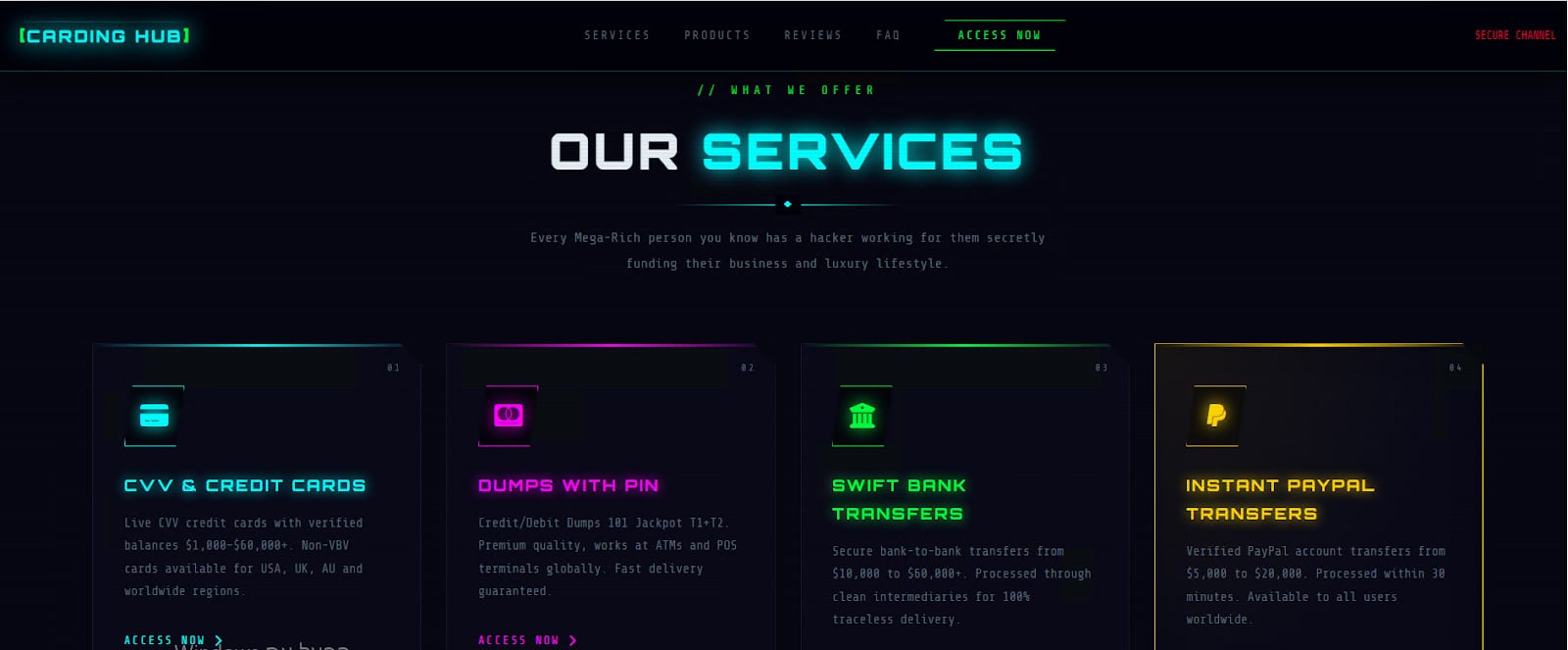
The underground market for stolen credit card data has long operated as a volatile and highly deceptive ecosystem, characterized by a constant cycle of marketplace launches, law enforcement takedowns, and internal "exit scams" where platform administrators vanish with user deposits. In recent years, this environment has become increasingly unstable, driven by intensified international law enforcement pressure and a pervasive culture of distrust among criminal actors. As a result, modern threat actors are moving away from opportunistic, high-risk purchasing habits and are instead adopting more structured, disciplined approaches to identifying reliable suppliers. This shift toward a "professionalized" vetting process is documented in a recently discovered underground manual titled “The Underground Guide to Legit CC Shops: Cutting Through the Bullshit,” which offers a rare window into the survival strategies of today’s fraud-focused cybercriminals.
Analysis of the guide, identified by researchers at the cybersecurity firm Flare, reveals that the carding industry—the illicit trade and use of stolen payment card data—is undergoing a fundamental transformation. Rather than focusing on the mechanics of the fraud itself, the new generation of actors is prioritizing the reliability and "survivability" of their supply chains. This evolution highlights a broader trend in the cybercrime-as-a-service (CaaS) economy: as the risks of being defrauded by peers or caught by authorities rise, criminals are forced to apply rigorous due diligence standards that mirror the procurement processes of legitimate global enterprises.
The Chronology of Carding: From IRC Channels to Automated Marketplaces
To understand the significance of this new vetting discipline, it is necessary to examine the historical trajectory of the carding market. In the early 2000s, carding was a fragmented endeavor, primarily conducted through Internet Relay Chat (IRC) channels and primitive web forums like ShadowCrew. These early platforms were the birthplace of organized cybercrime, but they were plagued by "rippers"—scammers who sold invalid data or simply stole money from other criminals.
The mid-2010s saw the rise of the "Golden Age" of automated carding marketplaces. Platforms like Joker’s Stash, which operated for years and processed hundreds of millions of dollars in stolen data, introduced a level of professionalization previously unseen. These shops offered searchable databases, bulk discounts, and even "validity checkers" to ensure the stolen cards were still active. However, the eventual retirement of Joker’s Stash in 2021, followed by high-profile law enforcement operations like the seizure of Genesis Market and the takedown of Try2Check, created a power vacuum.
Between 2022 and 2024, the market entered a period of extreme fragmentation. New shops appeared almost weekly, many of which were either "honeypots" operated by law enforcement or short-lived "exit schemes" designed to lure in deposits before shutting down. This instability is the primary catalyst for the guide discovered by Flare. Threat actors can no longer trust a shop based on its name or flashy interface; they must now rely on a technical and social vetting protocol to ensure their capital is not wasted on "dead" data or fraudulent platforms.
A Methodology for Trust in a Trustless Environment
The guide discovered on the underground forum outlines a methodology that reframes carding as a process-driven discipline. The central thesis of the document is that "legitimacy" in the underground is defined by a shop’s ability to survive and consistently provide high-quality data despite external pressures. The guide moves away from promotional rhetoric and instead provides a technical checklist for evaluating a supplier’s operational maturity.

One of the primary metrics emphasized is the quality of "fresh BINs" (Bank Identification Numbers). A BIN consists of the first six to eight digits of a credit card and identifies the issuing bank and card type. The guide notes that the most reliable shops source their data directly from primary compromises, such as infostealer malware infections, large-scale phishing campaigns, or point-of-sale (PoS) breaches. Shops that rely on "recycled" data—cards that have already been sold on other platforms—are quickly flagged as unreliable.
Furthermore, the guide dismisses traditional on-site testimonials as worthless, recognizing that most are fabricated by the shop’s administrators. Instead, it directs users to seek validation in closed, invite-only forums where long-standing reputations are harder to fake. This reliance on community-based social intelligence reflects a shift toward "vouching" systems, where a vendor’s history of successful transactions over several years becomes their most valuable asset.
Technical Due Diligence and Infrastructure Resilience
Beyond social vetting, the guide introduces a series of technical checks that threat actors are encouraged to perform before committing funds to a marketplace. These checks include:
- Domain and SSL Analysis: Actors are advised to check the age of a domain and its WHOIS privacy settings. While a new domain is not necessarily a sign of a scam (as takedowns force frequent moves), a shop that lacks proper SSL configurations or uses "cheap" hosting is viewed as an amateur operation prone to being compromised.
- Mirror Infrastructure: Legitimate, high-volume shops rarely rely on a single URL. The guide highlights the importance of identifying mirror domains and backup access points. The presence of a robust, DDoS-protected infrastructure is framed as an indicator of an operator who has the capital and technical skill to maintain operational continuity.
- Automated Features and Support: The document notes that a "professional" shop should offer real-time inventory updates, automated refund systems for "dead" cards, and functional ticketing systems. The adoption of these e-commerce-style features is a direct attempt to build user confidence and reduce the friction of illicit transactions.
These technical requirements demonstrate that the barrier to entry for running a successful carding shop has risen significantly. Operators must now demonstrate a level of technical sophistication that can withstand both the scrutiny of their "customers" and the investigative efforts of cybersecurity researchers.
Supporting Data: The Scale of the Global Carding Problem
The shift toward more disciplined carding operations is reflected in global fraud statistics. According to the Nilson Report, global losses from payment card fraud are projected to reach nearly $40 billion annually by 2027. Despite the implementation of EMV (chip) technology, which has significantly reduced "card-present" fraud (cloning physical cards), "card-not-present" (CNP) fraud—driven by online shopping and digital transactions—continues to surge.
Data from the FBI’s Internet Crime Complaint Center (IC3) indicates that credit card fraud remains one of the top reported crimes, with thousands of victims reporting millions in losses every year. The underground guide’s emphasis on "infostealer" data is particularly relevant here; as more consumers store their credit card information in browser autofill or digital wallets, malware like RedLine or Lumma Stealer has become the primary engine for harvesting fresh, high-validity data for these marketplaces.
Market prices for stolen cards also provide insight into the ecosystem’s hierarchy. Cards with high credit limits or "Platinum/Infinite" status can fetch over $100 on reputable shops, while bulk "dumps" of lower-tier cards might sell for as little as $5 to $10. The guide’s focus on vetting ensures that buyers are not paying premium prices for low-tier or expired data.
Operational Security and the Privacy Shift
A significant portion of the guide is dedicated to Operational Security (OPSEC), illustrating how threat actors are evolving their tactics to evade detection by both law enforcement and financial institutions. The document advocates for a layered approach to anonymity, discouraging any direct interaction with the clear web or regulated financial platforms.
Key OPSEC recommendations include:
- Cryptocurrency Privacy: The guide strongly discourages the use of Bitcoin for direct transactions, noting its traceability on public blockchains. Instead, it advocates for the use of Monero (XMR) and the utilization of intermediary "bridge" wallets to break the link between the source of funds and the destination.
- Geographic Alignment: When using stolen cards, actors are advised to use proxy services or SOCKS5 residents that match the geographic location of the cardholder. This is a direct response to the sophisticated anti-fraud algorithms used by banks, which flag transactions that originate from suspicious or distant IP addresses.
- Environment Compartmentalization: The use of dedicated virtual machines (VMs) and hardened browsers is presented as a baseline requirement. This prevents "cross-contamination" where an actor’s personal identity could be linked to their illicit activities through browser fingerprints or tracking cookies.
Broader Impact and Defensive Implications
The professionalization of the carding market has profound implications for the global financial sector and cybersecurity professionals. The transition from chaotic fraud to disciplined, structured operations means that threat actors are becoming more efficient and resilient. Traditional disruption efforts, such as seizing a single domain or arresting a lone vendor, are becoming less effective as the ecosystem builds in redundancy.
From a defensive perspective, the insights provided by Flare and the analysis of this guide allow security teams to "peek behind the curtain." By understanding the criteria that criminals use to vet their suppliers, banks can better anticipate which types of data breaches will lead to the most successful fraud campaigns. For example, if a shop is known for "fresh infostealer data," financial institutions can prioritize monitoring accounts that have recently been associated with malware infections.
Furthermore, the guide’s focus on community validation and closed forums suggests that law enforcement and threat intelligence firms must increase their presence in these "darker" corners of the web. Passive monitoring of public marketplaces is no longer enough; active intelligence gathering within restricted communities is necessary to identify the next generation of high-tier suppliers.
Conclusion: The Professionalization of Cybercrime
The document titled “The Underground Guide to Legit CC Shops: Cutting Through the Bullshit” serves as a testament to the adaptability of the cybercriminal world. It reveals an ecosystem that is learning from its mistakes, adopting the best practices of legitimate business, and prioritizing long-term survival over short-term gains.
As carding shops continue to evolve into hardened, resilient platforms, the cat-and-mouse game between fraud actors and defenders will only intensify. The shift toward structured vetting, technical due diligence, and advanced OPSEC suggests that even mid-tier criminals are now operating with a level of sophistication once reserved for state-sponsored actors. For the cybersecurity community, the lesson is clear: staying ahead of fraud requires more than just reactive blocking—it requires a deep, intelligence-driven understanding of the adversary’s own internal standards and operational workflows.
