

The filing of an S-1 registration statement with the U.S. Securities and Exchange Commission (SEC) by Anthropic has confirmed the company’s transition from a high-growth startup to a behemoth of the artificial intelligence sector. This landmark regulatory filing marks a pivotal moment for the company’s workforce, as more than 5,000 employees are positioned to realize significant financial gains. Projections suggest that the median employee at the firm could see personal wealth increase by $3 million to $10 million within the next three years, with a substantial cohort of early-stage staff expected to see their equity valuations reach eight-figure sums.
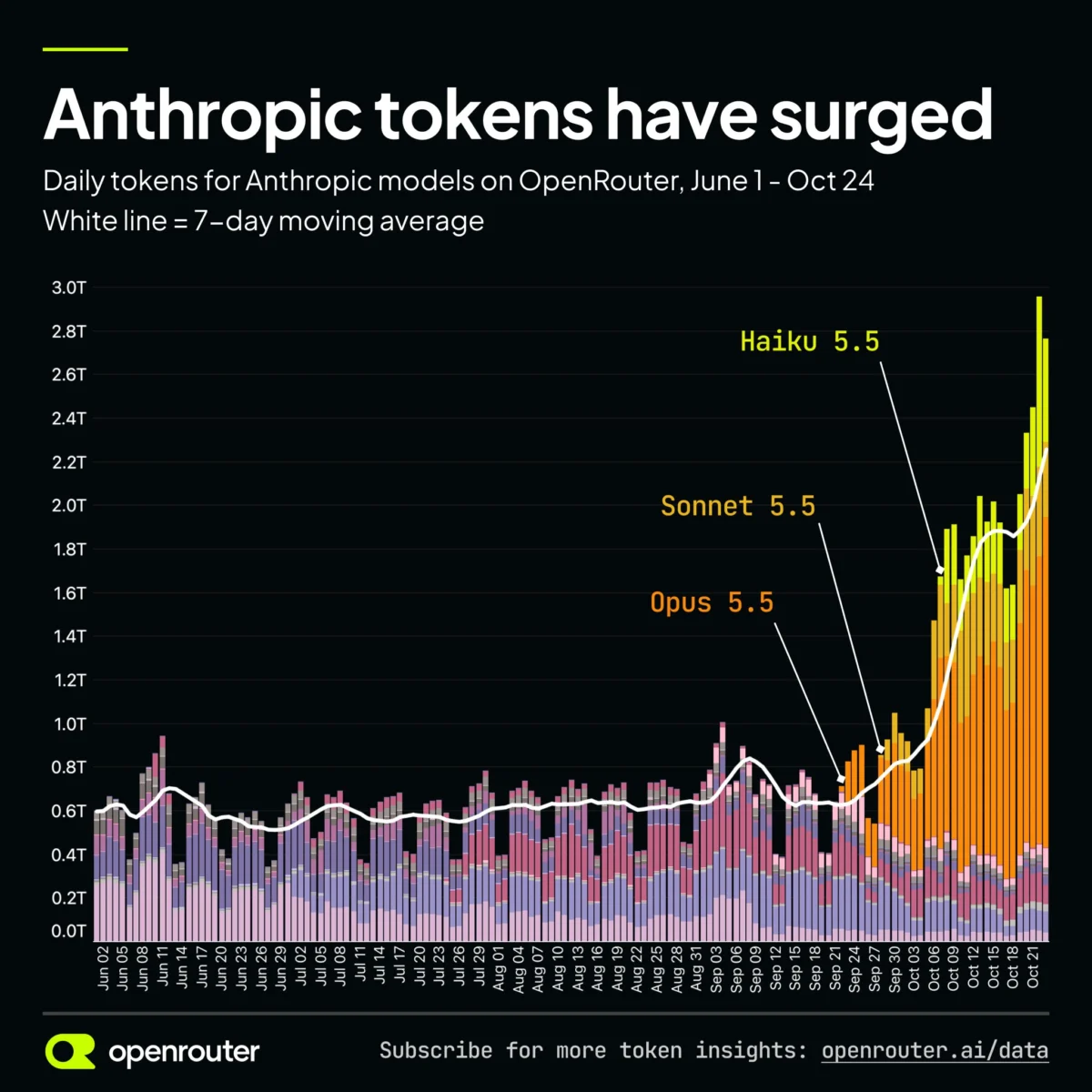
The scale of Anthropic’s financial transformation is underscored by its recent performance metrics. For the first half of 2026, the company reported $16.3 billion in revenue, a staggering increase from the $1.2 billion reported during the same period in 2025. This rapid growth has been largely attributed to the successful deployment of the Opus 5.5 model on September 22, 2026, which served as a catalyst for a 3.6x increase in Claude’s token usage. Currently, the organization holds more than $130 billion in cash and liquid investments, has achieved operational profitability, and is preparing for an initial public offering (IPO) expected to raise upwards of $80 billion.

The San Francisco Housing Market in the Wake of the AI Boom
The concentration of this immense capital in the San Francisco Bay Area has created immediate, tangible effects on the regional economy, most notably within the real estate sector. As the epicenter of the current AI development cycle, San Francisco has seen its housing market tighten significantly, with demand far outpacing supply.
According to data from Zumper and regional real estate indices, citywide rents have risen by approximately 27% year-over-year. The impact is particularly acute in the residential rental market, where one-bedroom units have experienced a 25.4% increase in pricing, while two-bedroom units have climbed by 26.8%. These figures represent the highest rent growth rates among the 100 largest cities in the United States. Furthermore, the median price for a residential property—including condominiums—reached approximately $1.69 million in September 2026, a 14.7% increase from the previous year. Single-family homes have seen even more dramatic appreciation, with median prices rising 24% to approximately $2.2 million, as 86% of properties in this category sold above the initial asking price.
The Dilemma of the Individual Landlord
For individual property owners—often referred to as "mom-and-pop" landlords—this surge in market value and rental demand creates a complex ethical and financial paradox. While the market dictates that rents should rise to meet current demand, many landlords are bound by existing lease agreements that were signed during periods of lower market valuation.

The core of the issue lies in whether a tenant’s change in financial status—such as an unexpected windfall from an IPO—should fundamentally alter the terms of a residential lease. Traditionally, the landlord-tenant relationship is governed by the contract at the time of signing. When a tenant’s professional circumstances improve, some property owners express a desire to adjust rental rates to reflect current market conditions. However, legal and ethical standards often favor the stability of the original agreement.
For landlords who rely on rental income as a primary component of their retirement portfolios, the pressure to raise rents is compounded by the rising costs of property maintenance, insurance, and labor. Unlike a tenant’s rent, which may be fixed for a term, the operational costs for a property owner have no such ceiling. Consequently, failing to adjust rents to keep pace with inflation and property taxes can lead to diminished profit margins, eventually forcing some owners to remove their properties from the rental market entirely.
Balancing Profitability and Lease Integrity
Industry professionals often suggest that the most sustainable approach to long-term property management is to implement a transparent, multi-year "schedule of rents" within the lease agreement. By capping annual increases—often at rates between 2.5% and 3%—landlords can provide both themselves and their tenants with budget predictability.

While this approach may result in the landlord leaving potential revenue on the table compared to market-rate fluctuations, it fosters a long-term, harmonious relationship that reduces the costs associated with tenant turnover. The costs of vacancy, property turnover, and finding new, qualified tenants are significant; often, the loss of one or two months of rent due to vacancy can negate the additional revenue gained by increasing rents to meet current market rates.
Furthermore, legal experts note that a lease agreement is fundamentally a contract for housing, not a profit-sharing vehicle. Just as a landlord would not be expected to provide a rent subsidy to a tenant who has lost their job or suffered a personal financial downturn, there is no inherent contractual obligation to increase rent simply because a tenant has experienced a sudden increase in net worth.
Broader Economic Implications
The rapid accumulation of wealth among AI company employees is expected to have a lasting impact on urban development in San Francisco. As these employees look to transition from renters to homeowners, the increased demand for property is likely to continue pushing prices upward. For current renters, the ability to secure housing is becoming increasingly difficult as bidding wars and high-rent environments become the standard.

For the broader investment community, the situation highlights a shift in how individuals perceive real estate as an asset class. The "tenant drama" associated with physical property ownership—including negotiations, maintenance, and the emotional burden of rent increases—has led many to seek alternative, more passive methods of participation. Platforms that allow for the investment in diversified real estate portfolios, such as commercial or residential REITs, are seeing increased interest from those who wish to benefit from the appreciation of the housing market without the complications of direct management.
Conclusion: Honoring the Contractual Word
In the current climate of rapid economic shifts, the most effective strategy for landlords remains the honor of the initial lease. While the temptation to adjust rents in response to the massive wealth generation occurring in the tech sector is high, the long-term value of a reliable, low-turnover tenant relationship often outweighs the short-term gains of market-rate adjustments.
For tenants, the advice from market analysts is to remain diligent in lease adherence and to maintain open, professional communication with their landlords. In an environment where institutional, algorithmic property management is becoming the norm, a human-to-human relationship between landlord and tenant remains a valuable, albeit increasingly rare, asset. As the AI boom continues to reshape the landscape of cities like San Francisco, the integrity of the lease agreement will remain the primary safeguard against the volatility of an rapidly changing market.
