

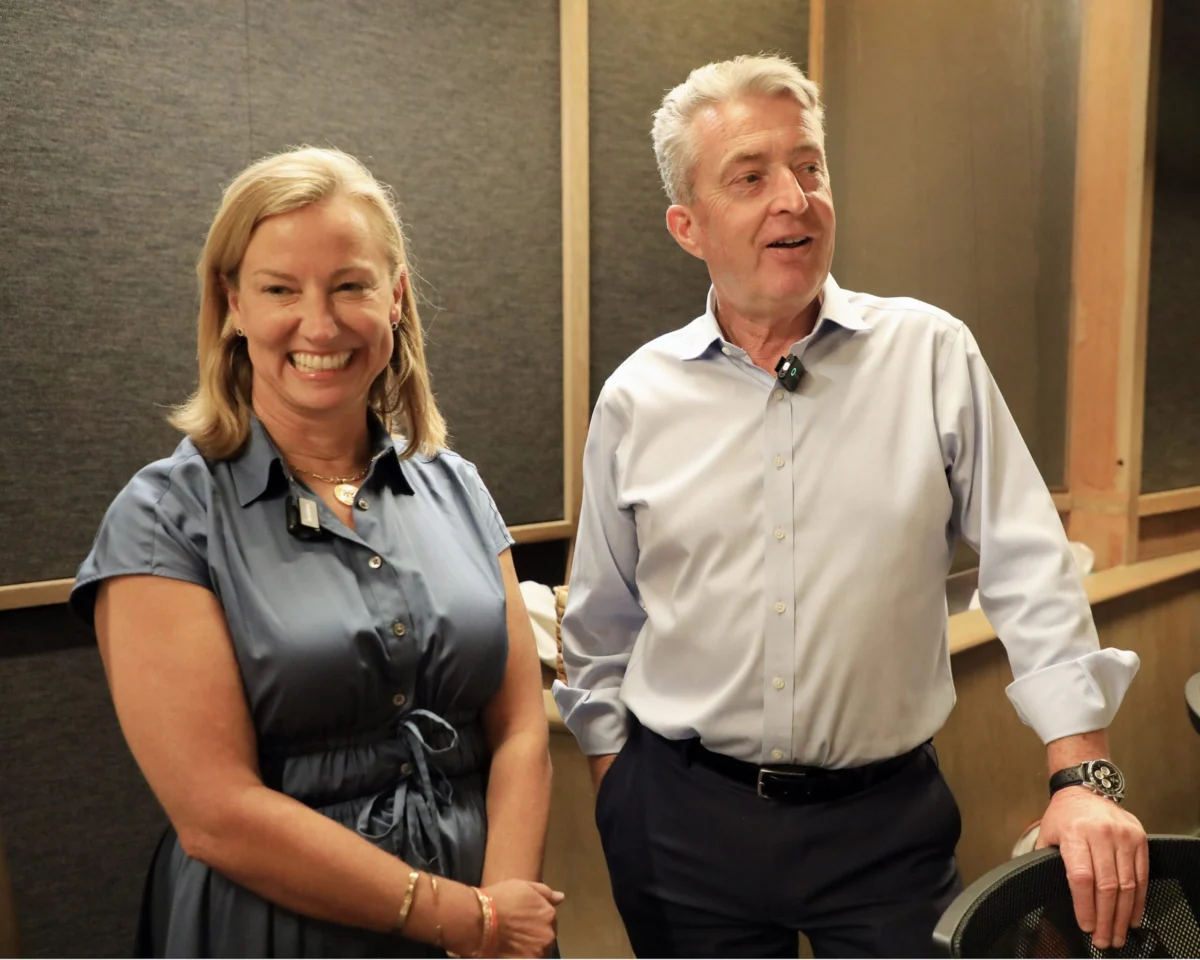
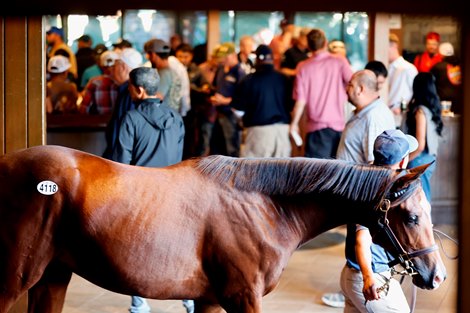
The 83rd edition of the Keeneland September Yearling Sale concluded on September 26, cementing its status as the premier marketplace for Thoroughbred bloodstock by generating the highest gross revenue ever recorded in the history of the sport. Over the course of a marathon 12-day event, the industry witnessed 3,034 horses change hands for a staggering total of $558,313,400. This figure, which incorporates post-ring private sales, represents a robust 5% increase over the previous record set just one year prior, when the sale totaled $531,739,400.
This year’s auction did not merely excel in total volume; it demonstrated broad-based strength across all key economic indicators. The average price for a yearling rose by 6.5% to $184,019, while the median price climbed 6.2% to $85,000. Perhaps most indicative of the high-end market’s health was the record-breaking number of yearlings that commanded prices of $1 million or more, with 70 such transactions occurring during the two-week span.
A Global Stage for Thoroughbred Investment
Keeneland has long served as a bellwether for the international Thoroughbred industry, and the 2026 edition underscored the global appetite for American-bred talent. Buyers from 30 countries participated, signaling that despite geopolitical and economic shifts, the demand for quality bloodstock remains a primary focus for international racing conglomerates and private owners alike.
The sale’s marquee moment occurred early in the proceedings when Hip 242, a colt by the prolific stallion Into Mischief, sold for $3.7 million. The colt, bred by John and Tanya Gunther’s Eurowest Bloodstock, was purchased by a partnership consisting of M.V. Magnier and White Birch Farm. Out of the Bernardini mare Grazie Mille—a producer known for her association with high-caliber runners like Mo Town and the graded-placed Justique—the colt represented the pinnacle of pedigree and physical development that buyers sought throughout the auction. Glennwood Farm, the entity through which the colt was consigned, finished the sale as the leading consignor by average, posting a remarkable $691,250 for their 16-horse draft.
Market Dynamics and Strategic Buying
While the aggregate numbers present a narrative of unbridled growth, Keeneland’s leadership noted that the sale was characterized by a distinct level of selectivity. Tony Lacy, Keeneland’s vice president of sales, characterized the atmosphere as "buoyant," yet emphasized that buyers remained highly discerning.
"It can only be described as incredible," Lacy noted in his post-sale reflections. "The market is holding very, very strong, and I think that the industry is perceived in a positive light that’s very encouraging."
Despite the record-breaking figures, the sale maintained a Reserve Not Attained (RNA) rate of 17.6%, with 648 horses failing to meet their sellers’ expectations. This rate remained consistent with previous years, suggesting that while capital is plentiful, it is being deployed with calculated precision. The first week of the sale saw higher RNA rates compared to the latter half, a trend that Lacy attributed to the varying popularity of specific bloodlines and the high expectations of breeders in the current economic climate.
The Role of Partnerships and New Capital
A significant shift observed during this year’s sale was the aggressive formation of buying syndicates. The leading buyer of the entire 12-day event was a newly formed partnership comprising St. Elias Stable, West Point Thoroughbreds, Lane’s End Racing, and Belladonna Racing. This group executed a disciplined strategy, purchasing 20 horses for a total of $16.2 million.
Monique Delk, executive director of racing operations for St. Elias, explained that the group’s success was rooted in a commitment to "casting a wider net." By avoiding the hyper-competitive $3 million-plus market and focusing on a high volume of horses in the $200,000 to $800,000 range, the partnership managed to secure seven seven-figure lots while maintaining a broader portfolio of prospects. This strategy reflects a growing trend among top-tier owners who view the reduction of individual risk as essential in a volatile racing environment.
Sire Performance and the Rise of Fresh Blood
Three Chimneys Farm’s resident stallion, Gun Runner, once again dominated the sire standings. He led all sires by both gross and average, with 57 of his yearlings selling for an aggregate of $43,672,000 and an impressive average of $766,175. His influence on the market was undeniable, with 15 of his progeny fetching seven-figure prices.
Equally noteworthy was the performance of the first-crop sires. Gunite led this cohort in terms of total gross, with 77 yearlings selling for $13,389,000. However, Cody’s Wish claimed the top spot among first-crop sires by average, with his 42 yearlings commanding an average of $305,190. The presence of these younger sires injected a sense of urgency into the market, as buyers looked to secure the next generation of potential champions. Amo Racing USA’s purchase of a half-brother to the 2025 Two Thousand Guineas winner, Ruling Court, for $1.65 million highlighted the premium placed on the first crops of emerging stallions.
The Final Session: A Resilient Conclusion
The 12th and final session of the sale provided a microcosmic view of the auction’s overall health. While the prices were naturally lower than those seen in the elite Book 1 sessions, the market remained active. A filly by City of Light (Hip 4224) topped the final day at $180,000, purchased by Gary Barber. In total, the final session saw 268 horses sell for $4,871,400, representing a significant increase over the previous year’s final day, which saw 236 horses sell for $3,714,200.
Cormac Breathnach, Keeneland’s senior director of sales operations, pointed to this late-stage activity as a critical indicator of the sale’s long-term sustainability. "The second week was extremely strong and encouraging for the long term because the demand from buyers was good for the sale and was particularly good from Book 4 on," Breathnach said. "We work hard to provide a catalog with something for everybody."
Broader Implications for the Thoroughbred Industry
The success of the 83rd September Yearling Sale carries profound implications for the wider Thoroughbred industry. By consistently clearing more than $500 million in gross sales over the last two years, Keeneland has demonstrated that the sport’s foundational economy is robust.
"When we look at a four- or five-year span, the trajectory of the sale has been incredibly healthy," Lacy observed. "Four years ago, we passed the $400-million mark for the first time. Now, we are deep into the $500-million range."
This trend suggests that breeders are successfully producing stock that meets the modern demands of the market—specifically in terms of physical conformation, pedigree diversity, and early-maturing speed. As the industry shifts its focus toward the upcoming Championship Sale at Castleton and the high-stakes Breeders’ Cup World Championships, the financial confidence generated at Keeneland will likely provide the necessary momentum for the November breeding stock auctions.
For the participants, the 2026 September Sale was more than just an exchange of capital; it was a validation of the industry’s resilience. As new players enter the market and established partnerships consolidate their buying power, the competition for the best prospects continues to intensify. With the curtain closed on 12 days of record-breaking activity, Keeneland remains the indispensable heart of the global Thoroughbred trade, setting the tone for the racing seasons to come.
