

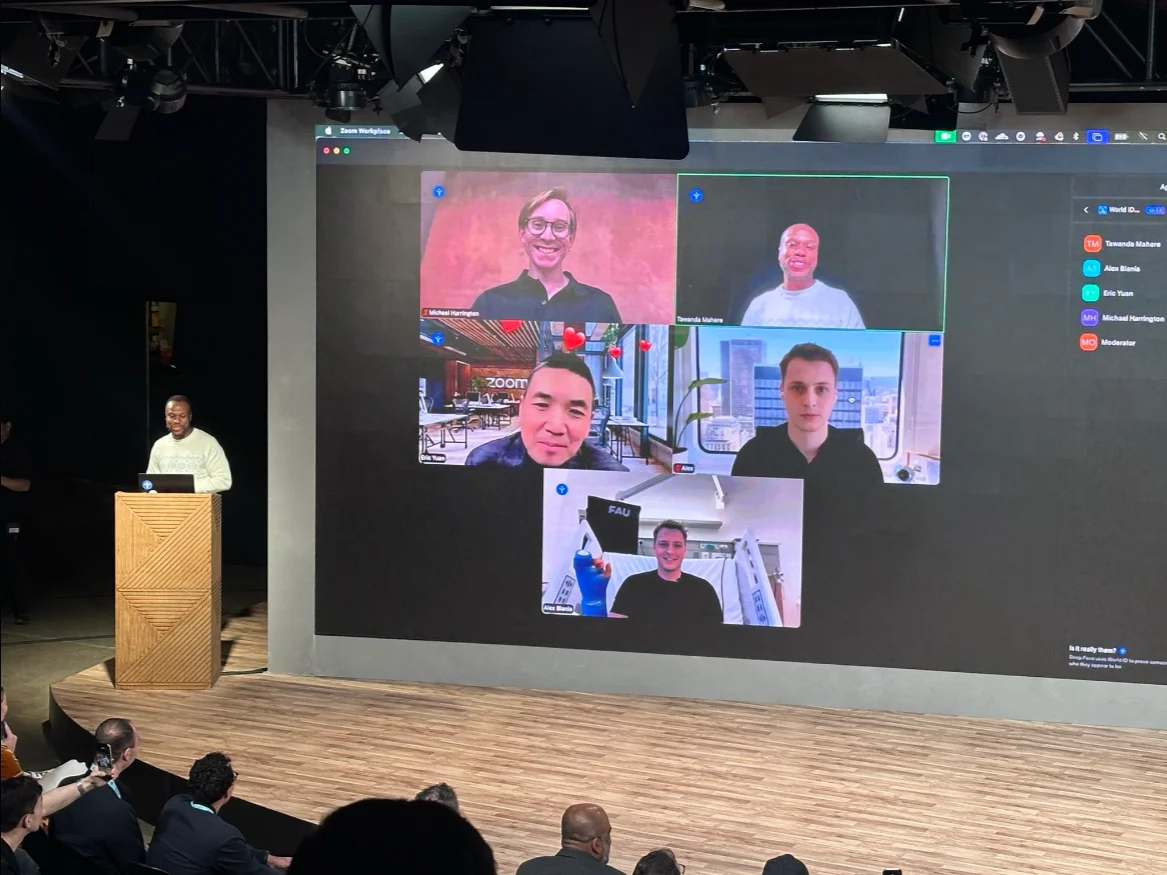
The ambitious identity verification system developed by Worldcoin, a project co-founded by OpenAI CEO Sam Altman, announced a significant expansion of its corporate partnerships on Friday. The latest additions include tech giants Zoom and DocuSign, both adopting Worldcoin’s iris-scanning technology to bolster their digital identity solutions. This move, while signaling growing mainstream acceptance and ambition for Worldcoin’s "proof of human" technology, has simultaneously intensified the ongoing debate surrounding its privacy implications and coincided with a notable dip in the value of its native cryptocurrency token, WLD.
The influx of high-profile partners like Zoom, a leading video conferencing platform, and DocuSign, a pioneer in electronic agreements, signifies a strategic push by Worldcoin to integrate its identity verification capabilities into everyday digital interactions. This follows earlier integrations with platforms such as Tinder, which is rolling out World ID to its US users. These announcements, however, were overshadowed by a sharp decline in the WLD token’s market performance. On the same day these partnership updates were released, the WLD token experienced a significant drop, falling by approximately 10% to trade around $0.28. This market movement stands in contrast to broader cryptocurrency market strength observed during the same trading session, raising questions about the immediate impact of Worldcoin’s expansion efforts on its digital asset’s valuation.
The Core Technology: The Orb and World ID
At the heart of Worldcoin’s system lies a proprietary device known as the Orb. This specialized hardware is designed to scan an individual’s iris, a unique biometric identifier. According to Worldcoin, the process generates a distinct digital identity, or "World ID," which serves to authenticate a user as a unique human being. Crucially, the company asserts that this process is designed to avoid storing or exposing sensitive personal data. This World ID can then be linked to various third-party applications and services, facilitating secure and verifiable human authentication.
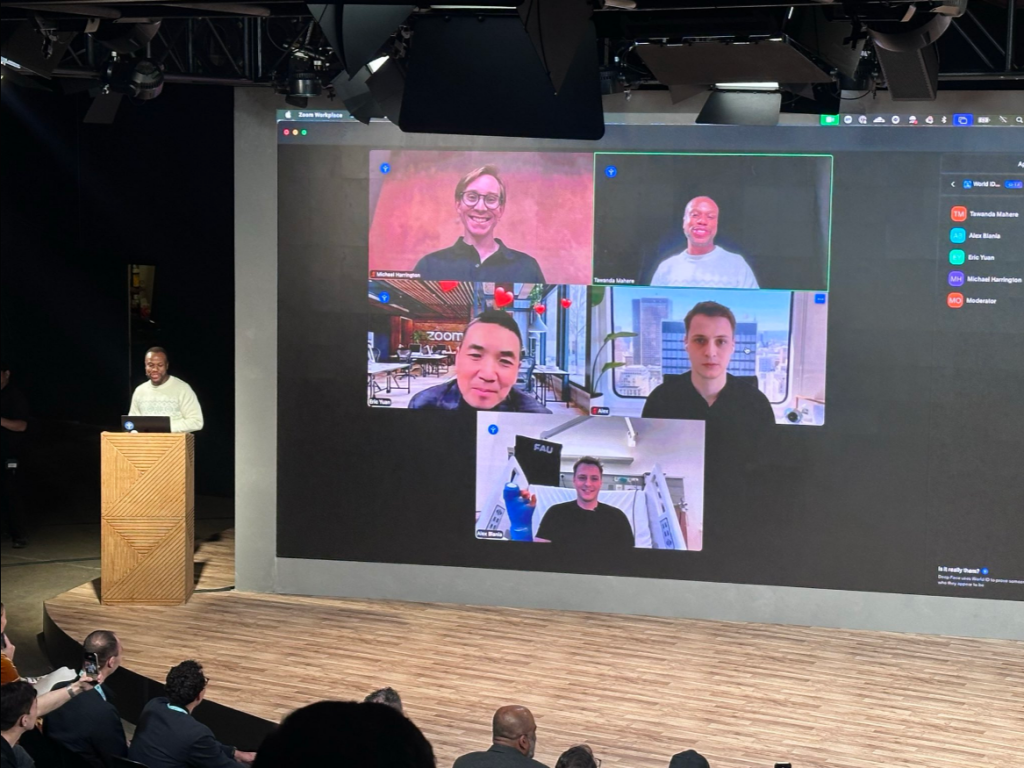
The immediate applications of this technology, as highlighted by the new partnerships, are geared towards addressing the escalating challenges posed by artificial intelligence. Zoom, for instance, is implementing a feature called "Deep Face Authentication," which leverages Worldcoin’s identity verification to detect and block deepfakes during video calls. This is a critical development in an era where AI-generated synthetic media can convincingly impersonate individuals, undermining trust and security in online communications. Similarly, DocuSign is integrating World ID verification into its electronic agreement processes. This aims to provide a more robust layer of assurance that the individuals signing digital contracts are indeed who they claim to be, mitigating risks associated with fraudulent or impersonated identities in business transactions.
Worldcoin’s strategic positioning in this market is driven by the growing recognition of a fundamental problem: the proliferation of AI-generated content and sophisticated fraud tactics is blurring the lines between human and machine. As AI agents become more autonomous and capable of acting on behalf of real people, the necessity for a reliable mechanism to prove human oversight and agency becomes paramount. Worldcoin’s stated mission is to build this essential infrastructure. In a statement accompanying the partnership announcements, the company articulated this rationale, emphasizing, "As AI agents increasingly act on behalf of real people, the infrastructure to prove a human stands behind each agent becomes critical."
To further facilitate the adoption and usability of its World ID system, Worldcoin has also been refining its account management features. Recent updates include the introduction of key recovery mechanisms and enhanced multi-device support. These improvements are designed to streamline the user experience, making it easier for individuals to manage and utilize their verified identity across multiple platforms and devices without compromising security or accessibility.

Timeline of Expansion and Development
The journey of Worldcoin and its core technology has been marked by several key milestones, demonstrating a consistent push for broader adoption and technological advancement. The conceptualization of Worldcoin began several years ago, with the founding team aiming to create a decentralized digital identity and cryptocurrency system.
- 2020-2021: Early development and testing of the Orb hardware and initial World ID protocols. The project gained significant attention due to Sam Altman’s involvement, bringing a high level of credibility and visibility.
- July 2023: Official launch of the Worldcoin protocol and its native token, WLD. This period saw the initial rollout of the Orb in various global locations, allowing early adopters to verify their identities and receive WLD tokens. The launch was met with both excitement and immediate scrutiny, particularly regarding data privacy.
- Late 2023 – Early 2024: Continued expansion of Orb operations to new regions and increased efforts to onboard developers and businesses. The focus began shifting towards integrating World ID into real-world applications and services.
- March 2024: Coinbase announced its intention to integrate Worldcoin’s AgentKit, a developer toolkit designed to link AI agents with verified human identities, into its x402 micropayments protocol. This signaled a significant move into the AI space, where proving human oversight of automated systems is becoming a priority.
- April 2024 (Present): The announcement of partnerships with Zoom and DocuSign, alongside Tinder’s rollout of World ID in the US, marks a new phase of widespread integration into mainstream consumer and business platforms. This expansion is occurring concurrently with ongoing market fluctuations for the WLD token.
The Persistent Shadow of Privacy Concerns
Despite the technological advancements and expanding corporate embrace, Worldcoin continues to face significant criticism and public concern regarding its biometric data collection practices. The core of the controversy lies in the large-scale collection of iris scans, a highly sensitive form of biometric data. Critics argue that centralizing such data under the control of a single private entity, even with assurances of privacy, presents inherent risks.
One primary concern revolves around data security. While Worldcoin states that it does not store personal data directly and instead generates a unique cryptographic hash of the iris scan, the very act of collecting and processing such sensitive information on a global scale raises questions about potential vulnerabilities to breaches or sophisticated cyberattacks. A successful breach of this data could have profound and long-lasting implications for individuals worldwide.
Another significant concern is the potential for misuse. Critics have flagged surveillance as a particularly serious risk. If the World ID system were ever to be expanded beyond its stated purpose or if its data were accessed by governments or other entities without adequate safeguards, it could pave the way for unprecedented levels of tracking and monitoring individuals’ online and potentially offline activities. This raises fundamental questions about civil liberties and the future of digital privacy in an increasingly interconnected world.
The nature of biometric data itself is unique. Unlike passwords or financial information, biometric traits cannot be changed if compromised. An individual’s iris pattern is a permanent characteristic. This permanence amplifies the stakes involved in safeguarding such data. The long-term implications of creating a global database of iris scans, even if anonymized or pseudonymized, are subjects of ongoing debate among privacy advocates, technologists, and policymakers.
The Role of the WLD Token
The WLD token serves as the native cryptocurrency of the World Network, the ecosystem built around Worldcoin. Users who successfully verify their identity using the Orb are typically rewarded with WLD tokens. These tokens can then be utilized within the Worldcoin ecosystem for various purposes, including transactions, accessing premium services, or potentially as a form of universal basic income in future iterations of the system.
The token’s performance is intrinsically linked to the project’s success, adoption rates, and broader market sentiment within the cryptocurrency space. The recent price drop in WLD, occurring alongside positive partnership news, suggests a complex interplay of factors influencing its valuation. These could include profit-taking by early investors, market-wide bearish trends, or investor apprehension stemming from the ongoing privacy debates and regulatory scrutiny that Worldcoin has faced in various jurisdictions. For example, several European countries have initiated investigations into Worldcoin’s data collection practices, citing concerns about compliance with GDPR (General Data Protection Regulation) and other data protection laws. These regulatory uncertainties can contribute to market volatility.
Broader Implications for the AI and Digital Identity Landscape
The expansion of Worldcoin’s partnerships with major technology firms carries significant implications for the future of digital identity and the burgeoning field of artificial intelligence.
Firstly, it underscores the growing recognition within the tech industry that verifiable human identity is becoming a critical component in combating AI-driven misinformation and fraud. As AI models become more sophisticated, the ability to distinguish between authentic human interaction and AI-generated content will be crucial for maintaining trust in digital platforms. Worldcoin’s "proof of human" system offers a potential solution to this growing challenge, albeit one that remains contentious.
Secondly, the integration of World ID into platforms like Zoom and DocuSign could accelerate the adoption of decentralized identity solutions. If successful, this could lead to a shift away from traditional, centralized identity management systems, empowering individuals with greater control over their digital personas. However, the success of this transition hinges on Worldcoin’s ability to address privacy concerns effectively and build lasting trust with users and regulators.
Thirdly, the symbiotic relationship between Worldcoin and AI development highlights a new frontier in human-AI collaboration. The development of tools like AgentKit, which allows AI agents to be linked to verified human identities, opens up possibilities for more sophisticated and trustworthy AI applications. This could range from AI assistants that can perform actions on behalf of users with a verified human endorsement to AI-powered services that require a demonstrable human oversight to ensure ethical operation.
The ongoing tension between technological innovation and privacy rights is a recurring theme in the digital age. Worldcoin’s journey exemplifies this dichotomy. While its ambition to create a global, verifiable human identity system is undeniably forward-thinking, the ethical considerations and potential risks associated with its data collection methods will continue to be a subject of intense scrutiny. The project’s future trajectory will likely depend on its ability to navigate these complex challenges, foster transparency, and build a robust and trustworthy ecosystem that balances innovation with the fundamental right to privacy. The market’s reaction, as seen in the WLD token’s performance, will also play a significant role in shaping investor confidence and the project’s overall momentum.
