

Bitcoin experienced a significant surge today, propelled by a geopolitical development that few market observers had anticipated: Iran’s announcement that the Strait of Hormuz, a critical global oil transit chokepoint, will remain fully open amidst an ongoing ceasefire. This unexpected declaration immediately sent shockwaves through energy markets, causing oil prices to plummet, while simultaneously igniting a rally across risk assets, including cryptocurrencies. Bitcoin, the flagship digital asset, climbed past the $78,000 mark intraday following the news, before experiencing a slight pullback. In tandem, digital asset treasury stocks, such as MicroStrategy (MSTR), saw substantial gains, with some surging over 10% as Bitcoin’s ascent positively impacted the valuation of their holdings.
This abrupt geopolitical detente offers a stark contrast to the prevailing macro environment that has characterized the digital asset landscape for much of the past year. Throughout 2026, investors grappled with a challenging economic backdrop marked by escalating Middle East tensions, persistent inflation fears, a robust U.S. dollar, and tight global liquidity conditions. These factors collectively contributed to Bitcoin’s prolonged descent from its all-time high of approximately $126,000, achieved in October 2025. The recent developments, however, have injected a renewed sense of optimism among Bitcoin bulls, who are now hoping for a sustained upward trajectory.
Bitcoin Breaks Descending Trendline Amidst Geopolitical Calm
The price action observed on Bitcoin’s charts today represents a significant technical development. The cryptocurrency opened the trading session at $75,172 and witnessed a robust upward movement, with traders pushing the daily candle to $77,205, marking a 2.7% gain for the session. The intraday high reached an impressive $78,384. While seemingly modest in absolute terms, this price action is crucial for validating a burgeoning bullish thesis. It suggests that the descending resistance trendline, which had consistently capped Bitcoin’s rallies since October 2025, has finally been invalidated. For seven months, this trendline acted as a formidable ceiling, effectively dictating the market’s downward trajectory. Today’s move signifies the first instance of Bitcoin trading above this previously bearish pattern since its inception.
Historically, Bitcoin’s price trajectory since its October 2025 peak has been characterized by a textbook descending channel. This pattern is defined by lower highs and lower lows, punctuated by a series of unsuccessful breakout attempts, each met with increasingly aggressive selling pressure. Technical analysts had identified this pattern, with chart overlays illustrating a persistent compression structure. Within this structure, each upward bounce became progressively shallower, while support levels were tested with increasing downward force. Had this trend continued unabated, market projections indicated that Bitcoin could have potentially tested support zones between $50,000 and $55,000. The recent geopolitical developments, however, appear to have significantly delayed, if not entirely averted, this bearish scenario.
Technical Indicators Signal Shifting Momentum
Beyond the price action, several key technical indicators are offering encouraging signals for Bitcoin’s bulls. The Exponential Moving Averages (EMAs), which provide traders with insights into the underlying trend by smoothing historical price data, currently remain in bearish territory. Specifically, the 50-day EMA is positioned below the 200-day EMA, a configuration commonly referred to by traders as a "death cross." This technical pattern is historically interpreted as a bearish structural signal, indicating that the short-term trend is still weaker than the long-term average. It suggests that the recent recovery, while present, has not yet been sufficiently deep or sustained to fundamentally alter the broader bearish trend. It is important to note that a death cross does not inherently guarantee further price declines; rather, it signals that Bitcoin bulls face a considerable challenge in establishing a definitive new uptrend.
However, a notable development is that for the first time since January, the gap between these two key EMAs has begun to compress. This narrowing suggests a potential convergence of short-term and long-term price trends, which could precede a bullish crossover if upward momentum is sustained.
The Average Directional Index (ADX), a measure of trend strength rather than direction, currently stands at 18.1. A reading below 25 on the ADX typically indicates a market lacking strong conviction, where prices may fluctuate but without a dominant underlying force driving them. Given that the bearish trend has persisted for nearly half a year, a low ADX reading could suggest that the trend is losing momentum or that market participants are strategically accumulating assets within this price range in anticipation of a future rally.
The Relative Strength Index (RSI), which gauges the speed and magnitude of price changes on a scale of 0 to 100, is currently at 67.7. While this level indicates that Bitcoin is approaching overbought territory, it remains within a manageable zone. Traditionally, an RSI above 70 is considered overbought, a level where traders often begin to realize profits. At 67.7, Bitcoin is close to this threshold but has not yet crossed it, leaving room for further price appreciation before significant technical selling pressure is likely to intensify.
Furthermore, the Squeeze Momentum Indicator, which is designed to signal periods of price compression preceding significant directional moves, shows a release with positive momentum, as indicated by the vertical lines in the background of accompanying charts. This suggests that the preceding period of consolidation may be giving way to a more pronounced price movement.
Market Sentiment and Future Projections on Myriad
The sentiment surrounding Bitcoin’s immediate future appears to be leaning bullish, as reflected in the activity on Myriad, a prediction market developed by Dastan, the parent company of Decrypt. Currently, Myriad traders are assigning a 69% probability to Bitcoin reaching $84,000 before experiencing a decline to $55,000. This significant gap in favor of an upward price movement represents the widest divergence observed on this specific market since its inception in early February.
Despite this optimistic outlook on a near-term rally, market participants on Myriad appear to exercise caution regarding longer-term timelines. In a separate market, there is only a 6% chance assigned to Bitcoin achieving a new all-time high before July. This suggests that while a short-term upswing is anticipated, a sustained bull run to new record highs may require more time and favorable macroeconomic conditions.
In an optimistic scenario, analysts anticipate Bitcoin to maintain its position above the recently broken trendline, which is now expected to act as support in the $74,000-$75,000 range. Additionally, the ADX is projected to climb above 20-25, signaling increasing trend strength. Conversely, if bearish sentiment reasserts itself, a renewed rejection of price resistance, coupled with the RSI declining from its near-overbought levels, could send Bitcoin back to test the aforementioned support area. A decisive break below this support level would re-establish the former resistance as a new ceiling, effectively invalidating the recent breakout and signaling a return to bearish conditions.
Broader Implications of the Strait of Hormuz Announcement
The ramifications of Iran’s commitment to keeping the Strait of Hormuz open extend far beyond the cryptocurrency markets. The Strait of Hormuz is one of the world’s most vital maritime arteries, responsible for the transit of approximately 20-30% of the world’s seaborne oil trade. Any disruption or closure of this waterway has historically led to significant spikes in crude oil prices, contributing to global inflation and economic uncertainty.
The announcement of its continued openness, especially in conjunction with a ceasefire, significantly alleviates immediate supply chain concerns and reduces the risk premium associated with oil prices. This reduction in oil price volatility can have a deflationary effect, potentially easing inflationary pressures globally. For economies heavily reliant on energy imports, this development offers welcome relief.
The immediate tumble in oil prices, as reported, directly reflects this newfound stability. West Texas Intermediate (WTI) crude futures and Brent crude futures saw notable declines as traders unwound positions that had been built on the expectation of supply disruptions. This price correction in the energy sector has a ripple effect across various industries, reducing transportation costs and potentially leading to lower consumer prices for goods and services.
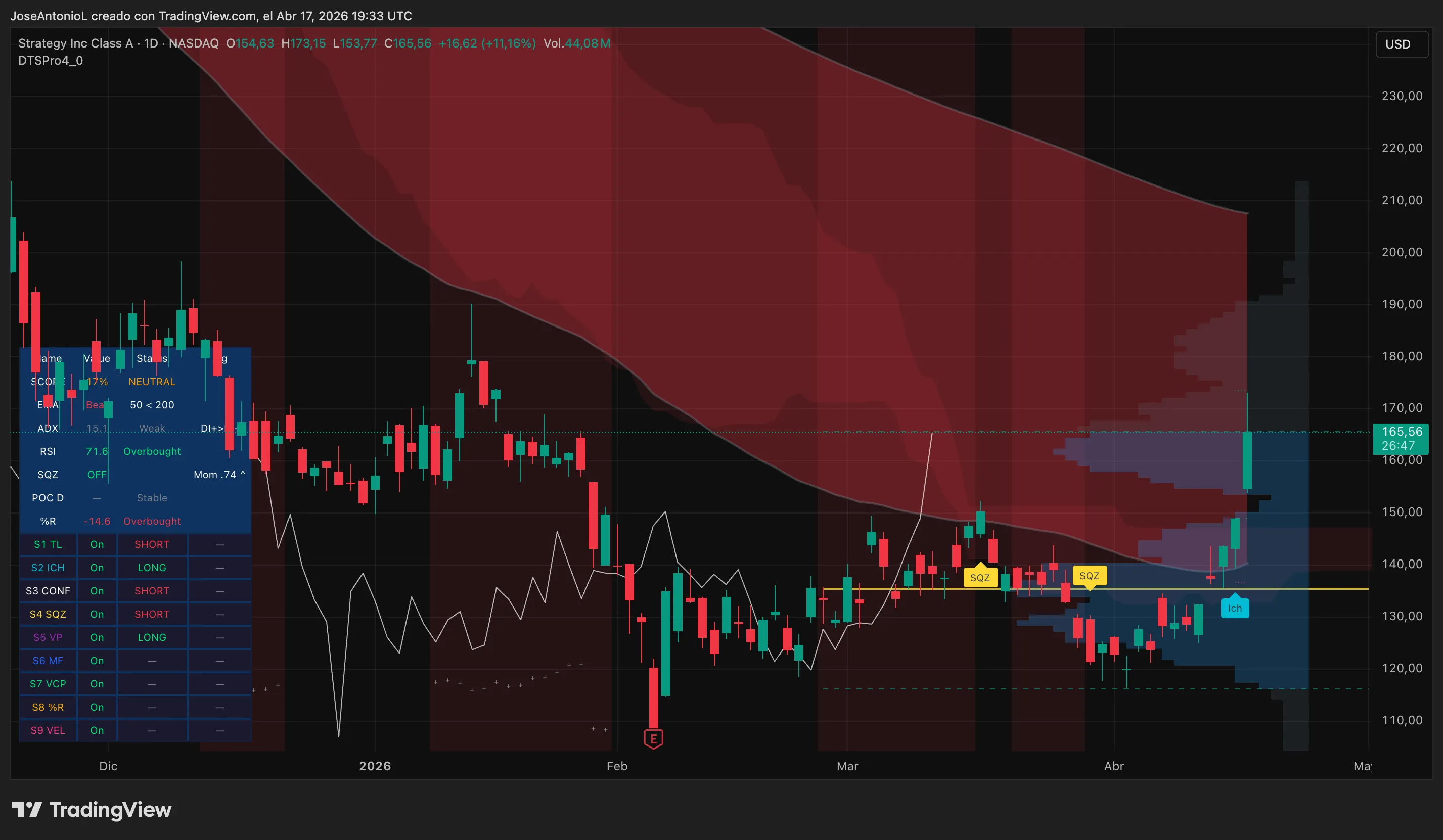
The surge in risk assets, including Bitcoin and technology stocks, can be attributed to a shift in investor sentiment. With the immediate geopolitical threat reduced, capital that was previously held in safe-haven assets or sidelined due to uncertainty is now flowing back into riskier, growth-oriented investments. Bitcoin, often viewed as a speculative asset with high beta to market sentiment, benefits directly from this risk-on environment. The improved valuation of digital asset treasury stocks like MicroStrategy further underscores this trend, as their performance is closely tied to the underlying price movements of Bitcoin.
Background and Timeline of Regional Tensions
The geopolitical landscape in the Middle East has been a significant source of market anxiety for an extended period. For months, escalating tensions between Iran and several regional and international powers had raised concerns about potential disruptions to global energy supplies, particularly through the Strait of Hormuz. These tensions were exacerbated by a series of incidents and diplomatic standoffs, which contributed to a sustained increase in oil prices and a general flight to safety in financial markets.
The announcement of a ceasefire, though its specifics and duration remain subject to ongoing observation, marks a critical turning point. Prior to this development, market participants had been bracing for potential escalations, factoring in the possibility of naval blockades or military confrontations that could have severely impacted shipping traffic through the vital strait. This period of heightened alert had led to a de facto premium being built into the price of oil, reflecting the perceived risk of supply shortages.
The timing of Iran’s announcement is particularly noteworthy, occurring as global markets were still navigating the complexities of inflation, interest rate policies, and broader economic uncertainties. The unexpected de-escalation provides a much-needed catalyst for a shift in market sentiment, allowing investors to re-evaluate risk appetites and potentially reallocate capital towards assets that had been suppressed by the prevailing geopolitical headwinds.
Official Reactions and Market Analysis
While specific official statements from Iranian authorities detailing the full scope and conditions of the ceasefire and the commitment to keeping the Strait of Hormuz open are still emerging, the initial announcement has been met with cautious optimism by international bodies and major economies. The United States, a key player in regional security, has acknowledged the development and is closely monitoring the situation. Analysts suggest that any sustained de-escalation in the region would be viewed favorably by global economic policymakers, as it could contribute to price stability and reduce the likelihood of economic shocks stemming from energy market volatility.
From a market analysis perspective, the current price action in Bitcoin and other risk assets suggests a strong reaction to the perceived reduction in geopolitical risk. The move above $78,000, if sustained, could signal the beginning of a new bullish phase for Bitcoin, breaking free from the prolonged bearish trend. However, the market remains sensitive to geopolitical developments, and any resurgence of tensions could quickly reverse these gains. The focus will now shift to the sustainability of the ceasefire and the broader implications for regional stability. The coming days and weeks will be crucial in determining whether this geopolitical shift represents a temporary reprieve or the beginning of a more enduring period of calm, which would have significant positive implications for global markets.
Disclaimer: The views and opinions expressed by the author are for informational purposes only and do not constitute financial, investment, or other advice. Readers should conduct their own due diligence and consult with qualified financial professionals before making any investment decisions.
