

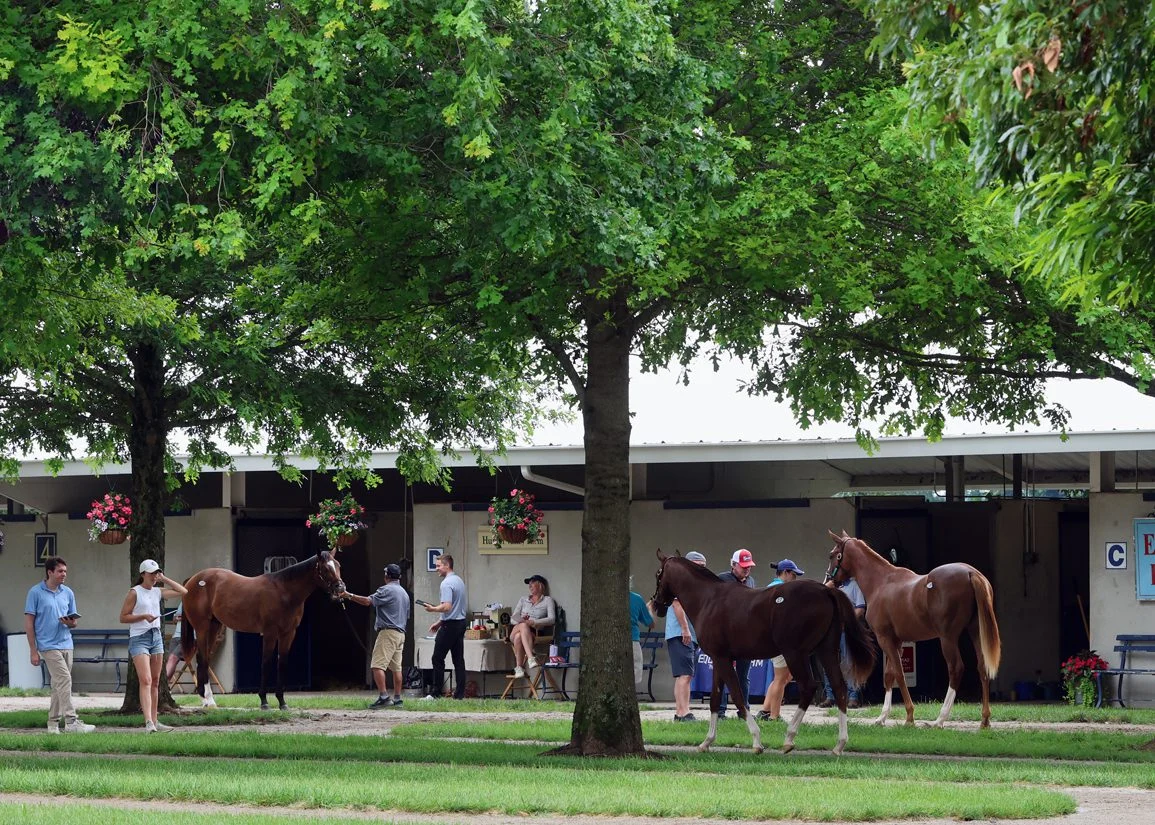
The Thoroughbred Owners and Breeders Association (TOBA) has officially announced the scheduling of its upcoming Pedigree & Conformation Clinic, a premier educational event slated for October 19, 2026, at the historic Fasig-Tipton grounds in Lexington, Kentucky. The clinic, which begins at 8:00 a.m. ET, is strategically timed to coincide with the opening day of the Fasig-Tipton Fall Yearling Sale, offering participants a unique opportunity to apply classroom learning to real-world market conditions. This one-day intensive program is designed to serve a broad spectrum of industry participants, ranging from prospective owners and novice breeders to long-time racing enthusiasts seeking a more technical understanding of bloodstock evaluation.
As the Thoroughbred industry becomes increasingly complex, driven by advancements in veterinary science and data analytics, the need for centralized, expert-led education has never been more critical. The TOBA clinic aims to bridge the gap between theoretical knowledge and the practical realities of the auction ring and the breeding shed. By assembling a panel of some of the most respected figures in the equine world, the association provides a comprehensive curriculum that covers the four pillars of bloodstock success: pedigree analysis, physical conformation, veterinary scrutiny, and market dynamics.
A Comprehensive Curriculum for Modern Bloodstock Selection
The October 19 clinic is structured to provide an immersive experience that moves beyond superficial observations. The curriculum is divided into several key modules, each led by a specialist in their respective field. The morning sessions are expected to focus heavily on the "paper" side of the industry—pedigree analysis and data management—while the afternoon sessions will transition into the physical evaluation of the horse.
Pedigree analysis remains the foundation of the breeding industry. Participants will learn how to interpret "black-type" updates, evaluate sire power, and understand the nuances of "nicking" patterns—the practice of breeding specific sire lines to specific broodmare sire lines. In an era where commercial viability is often determined by the popularity of a stallion, the clinic will provide insights into how to identify value in under-appreciated families and how to project the potential of a yearling based on its ancestral history.
The conformation portion of the clinic is arguably the most anticipated segment. Evaluating a horse’s physical structure is both an art and a science, requiring a keen eye for balance, proportion, and athletic potential. Experts will demonstrate how to identify "flaws" versus "faults," explaining which physical imperfections might be overlooked and which are likely to lead to future unsoundness. This segment is particularly vital for those attending the Fall Yearling Sale, as it equips them with the vocabulary and the visual markers necessary to communicate effectively with trainers and bloodstock agents.
Distinguished Faculty and Industry Experts
TOBA has curated a faculty that represents the diverse facets of the Thoroughbred ecosystem. Each speaker brings a specific lens to the selection process, ensuring that participants receive a 360-degree view of the industry.
Dr. Bart Barber of the world-renowned Rood & Riddle Equine Hospital will provide the veterinary perspective. In the modern auction environment, the "repository"—a digital archive of X-rays and endoscopic videos—is a critical component of any purchase. Dr. Barber will discuss what veterinarians look for during pre-purchase exams, focusing on bone density, joint health, and airway functionality. Understanding these medical parameters is essential for any owner looking to mitigate the inherent risks of equine investment.
Representing the consignor and breeding side of the business is Conrad Bandoroff of Denali Stud. As a leader of one of the industry’s most successful sales agencies, Bandoroff will offer insights into how horses are prepared for the sale and what sellers look for when evaluating their own stock. His perspective provides a "behind-the-curtain" look at the commercial side of the industry, helping buyers understand the motivations and strategies of the sellers they encounter at public auctions.
Alex Solis of Solis/Litt Bloodstock will share his expertise from the perspective of a bloodstock agent. Agents are the professional scouts of the racing world, responsible for identifying future champions in a sea of thousands of prospects. Solis’s involvement highlights the importance of the "agent-owner" relationship and the specific criteria used to select horses for high-level racing programs.
The logistical and operational aspects of the auction process will be handled by Anna Seitz Ciannello of Fasig-Tipton. As the host venue’s representative, she will guide participants through the mechanics of the sale, from registering to bid to the signing of the sales ticket. For many newcomers, the fast-paced environment of a major auction can be intimidating; this segment aims to demystify the process and instill confidence in prospective buyers.
The integration of technology and data will be addressed by Byron Rogers of Stable Analytics and Tim Leith of The Jockey Club Information Systems. Rogers is a pioneer in the use of biomechanical data and statistical modeling to predict racing success, while Leith represents the gold standard of equine record-keeping. Together, they will show how traditional horsemanship is being augmented by digital tools to provide a more objective view of a horse’s potential. Finally, Anthony Koch of Hallway Feeds will discuss the role of nutrition in developing a yearling’s physical frame, emphasizing how a proper diet supports the growth of strong bone and muscle.
Strategic Timing: The Fasig-Tipton Fall Yearling Sale
The decision to host the clinic on the opening day of the Fasig-Tipton Fall Yearling Sale is a deliberate one. The October sale in Lexington has grown significantly in stature over the last decade, evolving from a "clearance" sale into a primary destination for high-quality yearlings that may have needed more time to mature than the summer or September sales allowed.
By holding the clinic on-site, TOBA allows participants to move directly from the lecture hall to the walking rings. They can observe the experts’ theories in action as some of the finest yearlings in the country are paraded before prospective buyers. This immediate application of knowledge is a hallmark of TOBA’s educational philosophy. The Fall Yearling Sale often features a diverse range of price points, making it an ideal environment for those looking to enter ownership at various levels of investment.
The Role of TOBA in Industry Stability
Founded in 1961, the Thoroughbred Owners and Breeders Association has long served as a collective voice for the individuals who provide the capital and the livestock for the sport of horse racing. Education is a central pillar of TOBA’s mission. By hosting clinics like the one at Fasig-Tipton, the association seeks to ensure the long-term health of the industry by cultivating a more informed and engaged ownership base.
Industry analysts suggest that educational initiatives are directly linked to owner retention. When owners understand the risks and the science behind their investments, they are more likely to navigate the ups and downs of the sport successfully. In a market where a single yearling can command six or seven figures, the value of a $1,200-per-day education is immeasurable.
"Education is the best tool we have to empower our members," a TOBA representative noted in a statement following the announcement. "By bringing together the best minds in the business, we are giving our participants the foundation they need to make smart, data-driven decisions. Whether they are looking to buy their first horse or refine their breeding program, this clinic offers access to expertise that is rarely found in a single room."
Broader Implications and Economic Impact
The Thoroughbred industry is a multi-billion dollar global enterprise, with Kentucky serving as its epicenter. The health of the public auction market is a primary indicator of the industry’s overall economic vitality. Events like the TOBA clinic contribute to market stability by increasing the number of qualified bidders.
Furthermore, the emphasis on conformation and veterinary health aligns with the industry’s broader push toward equine welfare and safety. By teaching owners how to identify physically sound horses and understand the importance of proper development and nutrition, TOBA is indirectly promoting better outcomes for the horses themselves. A horse with good conformation is statistically more likely to remain sound throughout a racing career, which is a win for the owner, the trainer, and the integrity of the sport.
The clinic also highlights the collaborative nature of the Kentucky bloodstock community. The participation of Rood & Riddle, Hallway Feeds, and The Jockey Club demonstrates a shared commitment to industry-wide excellence. This "ecosystem" approach ensures that participants leave with a holistic understanding of what it takes to succeed in the modern Thoroughbred landscape.
Registration and Participation Details
Due to the intensive, hands-on nature of the conformation evaluations, registration for the clinic is strictly limited to 45 participants. This small group size ensures that each attendee has the opportunity to interact with the speakers, ask specific questions, and get a "close-up" look at the horses used for demonstration.
The registration fee includes all educational materials, presentations, and lunch. Interested parties are encouraged to register early, as TOBA clinics typically sell out weeks in advance, particularly when held in conjunction with a major sale in Lexington. Detailed registration information and a full schedule of events can be found on the association’s official website at toba.org.
As the industry looks toward the 2027 racing season and beyond, the TOBA Pedigree & Conformation Clinic stands as a vital touchstone for those committed to the pursuit of excellence in the Thoroughbred world. By blending tradition with technology and expert opinion with practical application, the event continues to be a cornerstone of equine education in the United States.
