

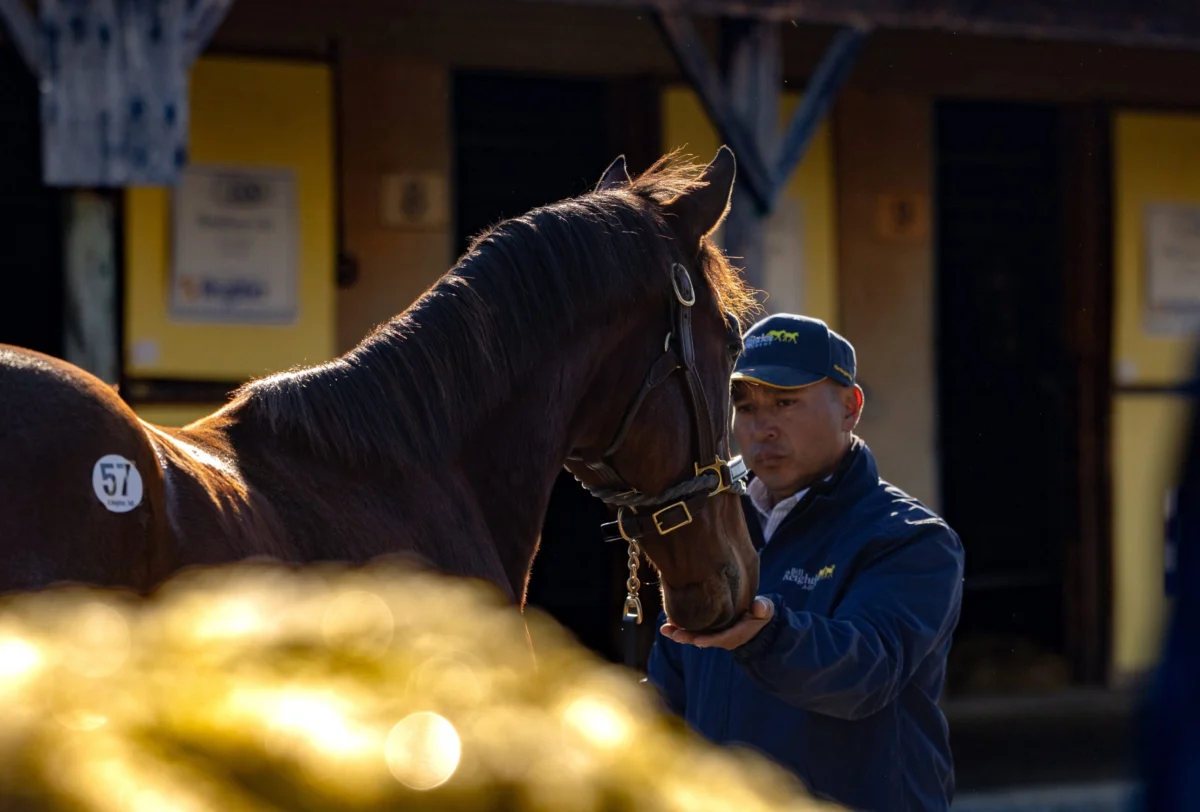
The curtain officially rises on the final North American yearling marketplace of the 2024 season on October 27, as Fasig-Tipton hosts its Midlantic Eastern Fall Yearlings Sale at the historic Maryland State Fairgrounds in Timonium, Maryland. This single-day event serves as the definitive closing chapter for the year’s public yearling auctions, offering breeders, trainers, and pinhookers a final opportunity to secure Thoroughbred prospects before the industry shifts its focus toward the winter breeding stock sales and the subsequent two-year-old in training circuit.
A Strategic Rebranding for the Eastern Seaboard
Previously recognized as the Midlantic Fall Yearlings sale—a moniker it held since 2012—the auction has undergone a strategic rebranding to reclaim its original title. This change is far more than cosmetic; it signals a deliberate effort by Fasig-Tipton to emphasize the vitality and economic potential of East Coast state-bred programs. By categorizing the 269-horse catalog by region—ranging from Maryland and New Jersey to New York, Pennsylvania, Virginia, and West Virginia—the sale provides a streamlined experience for buyers targeting specific state-bred incentive programs.
Paget Bennett, the director of sales for Fasig-Tipton Midlantic, noted that the timing for this rebranding is intentional. "We have restructured the sale with the goal of showcasing the racing-rich Eastern region and the remarkable opportunities it offers," Bennett stated. The optimism surrounding the sale is bolstered by significant infrastructure upgrades across the Eastern seaboard. With the recent completion of the new facility at Belmont Park, the upcoming modernization of Pimlico Race Course, and the burgeoning racing calendar at Colonial Downs, the region is experiencing a renaissance. According to industry analysts, these capital improvements are expected to drive long-term value for state-bred horses, as owners look to capitalize on expanded purses and improved racing conditions.
The Anatomy of the Catalog
The 269-head catalog is meticulously organized to assist buyers in navigating the regional nuances of the market. The sale commences with horses bred in non-Eastern states, followed by a structured progression through the major Eastern programs. This format is designed to help stakeholders identify horses that qualify for lucrative breeder and owner awards specific to their home jurisdictions.
The roster of sires represented in this year’s catalog is particularly robust. Beyond the regional focuses, the sale features progeny from some of the most prominent stallions currently standing in North America. These include established stars such as Candy Ride and rising luminaries like Cody’s Wish, Early Voting, Girvin, Jackie’s Warrior, Life is Good, McKinzie, Speaker’s Corner, Tiz the Law, Vekoma, and Yaupon. The presence of such diverse genetic stock highlights the sale’s growing reputation as a primary source for high-quality, mid-market prospects capable of performing on the national stage.
The $500,000 Preakness Stakes Incentive
In a move designed to stimulate interest and heighten the competitive stakes, Fasig-Tipton announced a high-profile incentive earlier this month. Any graduate of the Eastern Fall Yearlings Sale who goes on to win the 2028 Preakness Stakes (G1) will trigger a $500,000 bonus.
The structure of this incentive is unique, as it aims to reward both the original breeder/consignor and the current owner. The bonus will be split evenly: 50% to the owner at the time of the horse’s purchase at the Timonium auction, and 50% to the owner at the time of the Preakness victory. Critically, the incentive applies to all horses offered during the sale, even those that fail to meet their reserve price. By extending this benefit to RNA (reserve not attained) horses, Fasig-Tipton is effectively incentivizing participation from a broader range of consignors and ensuring that the sale remains an attractive venue for top-tier bloodstock.
Historical Context and Market Performance
The significance of the Timonium sale is best understood through its track record of producing high-caliber racehorses. Most notably, Post Time, a multiple graded stakes winner who demonstrated his prowess on the international stage with a runner-up finish in the 2024 Breeders’ Cup Dirt Mile (G1) at Del Mar, serves as the definitive success story for this venue. Post Time’s trajectory from the Timonium sales ring to the upper echelons of the sport provides a tangible roadmap for buyers looking for value outside of the elite summer yearling sales.
The 2023 edition of the sale provides a benchmark for the current market. With a smaller catalog of 197 horses, the auction saw 161 individuals change hands for a gross total of $4,978,100, including private sales. The average price settled at $30,920, with a median of $20,000. These figures, while modest compared to the multi-million dollar sales in Kentucky, reflect a healthy, functional market that serves the backbone of the racing industry. The top-priced lot in 2023, a Nyquist colt, commanded $370,000, illustrating that the Midlantic sale is capable of producing significant returns for investors.
Spotlight on Pedigree: The Breeders’ Cup Connection
One of the most anticipated moments of the upcoming auction is the sale of Hip 35, a colt by Vino Rosso. Consigned by Gracie Bloodstock, this colt is the first foal out of the Kantharos mare Quindini, making him a half-brother to Cy Fair, the winner of the 2023 Breeders’ Cup Juvenile Turf Sprint (G1T).
The timing of this sale is particularly serendipitous. With Cy Fair currently entered in the Breeders’ Cup Turf Sprint (G1T) at Del Mar just days after the Timonium auction, the value of Hip 35 is inherently linked to his half-sister’s performance. Should Cy Fair deliver a strong showing, the pedigree of Hip 35 could see a substantial appreciation in value, providing a high-stakes narrative that typically draws the attention of major commercial buyers.
Market Dynamics and Economic Implications
The timing of the sale—held just days before the Breeders’ Cup World Championships—is calculated to capture the attention of the industry’s most active participants. While the major players are often focused on the logistics of the Breeders’ Cup, the Timonium sale provides a more accessible, localized market for those looking to round out their stables.
The broader implications of the sale reach beyond the immediate results of the auction. For the Maryland racing industry, the sale is a barometer of health. As the industry faces transitions in track ownership and management, the success of regional sales like the Eastern Fall Yearlings event is critical to maintaining a sustainable ecosystem for breeders. By emphasizing the state-bred programs, Fasig-Tipton is not only facilitating commerce but also reinforcing the interconnectedness of regional breeding and racing operations.
Looking Toward the Final Bell
As of Monday evening, organizers reported 34 outs from the catalog, a standard rate of attrition in the days leading up to an auction. The sale is set to commence on Tuesday, October 27, at 11:00 a.m. ET.
For the prospective buyer, the Timonium auction represents a final, focused opportunity to identify talent before the annual transition to the next foal crop. The combination of the $500,000 Preakness bonus, the influx of high-quality stallions, and the strategic regional focus suggests that the market will remain resilient. As the final gavel falls in Timonium, the results will provide a definitive look at the current appetite for Thoroughbred investment in the Eastern United States, setting the tone for the regional racing season that lies ahead in 2025 and beyond.
In the final analysis, the rebranding of the sale is a reflection of a changing landscape in North American racing. With increased purse structures and a concerted effort to support local breeding programs, the Eastern region is positioning itself as a more competitive environment. For those at the Maryland State Fairgrounds, the October 27 sale is more than just a marketplace; it is an investment in the future of the sport, and a test of whether the regional market can sustain its momentum in an increasingly globalized industry.
