

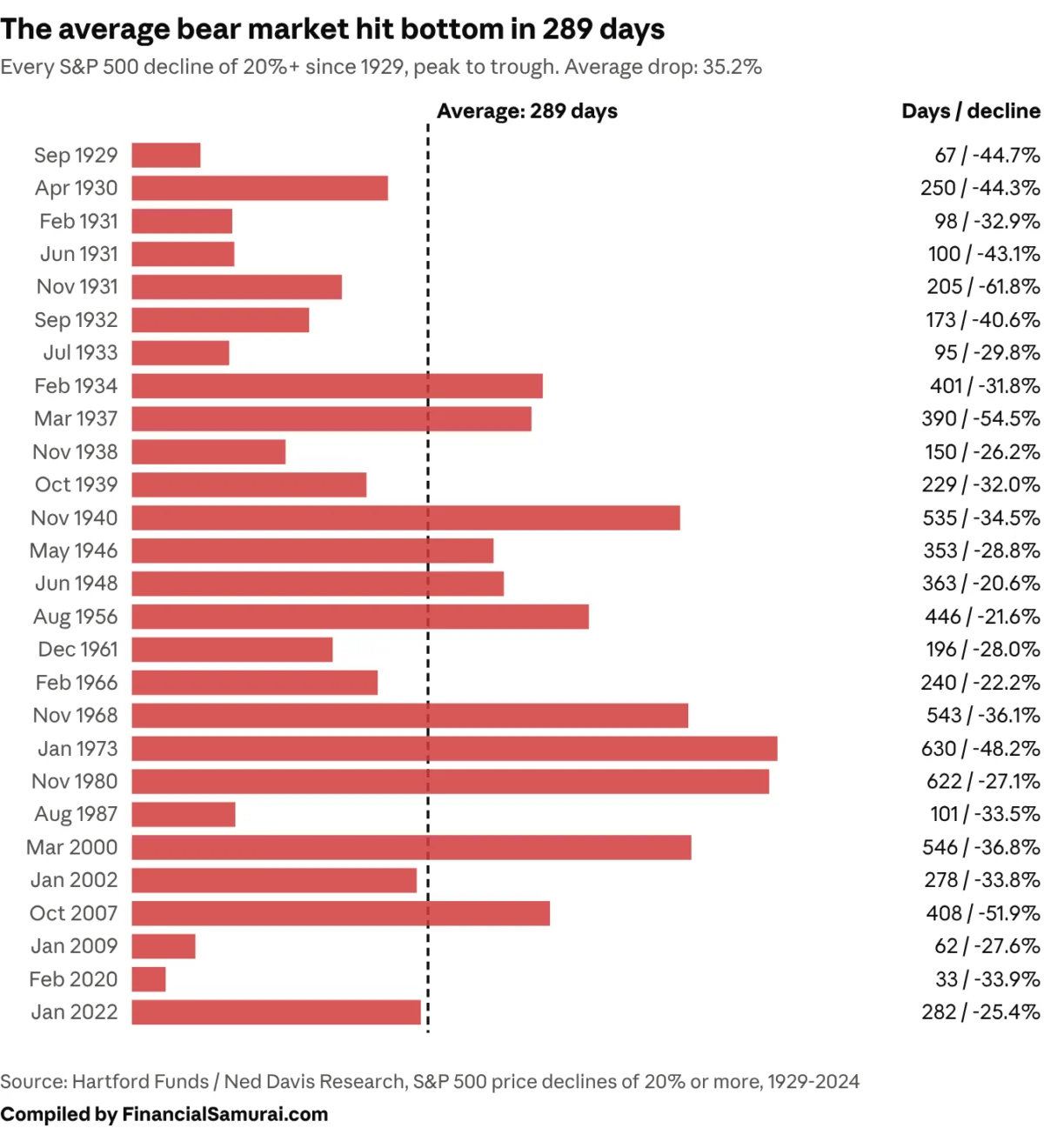
As equity markets face significant corrections and the specter of a prolonged bear market looms over technology-heavy portfolios, the investor community is once again grappling with the psychological and fiscal realities of a cyclical downturn. While the immediate impact of declining asset prices is often characterized by portfolio erosion, historical data and economic analysis suggest that these periods, though challenging, serve as essential mechanisms for long-term market adjustment and individual financial recalibration.
The Current Market Landscape
The present economic environment is marked by a divergence between headline indices and specific sector performance. While the broader market may not yet be classified under the technical definition of a bear market—generally accepted as a 20% decline from recent highs—numerous high-growth technology equities have already surpassed this threshold. This "rolling" bear market creates a specific set of challenges for investors who remain overweight in volatile growth sectors.
For the average investor, the wealth effect—a behavioral economic theory suggesting that consumers spend more as the value of their assets increases—has historically acted as a buffer against inflationary pressures. During the extended bull market that preceded the current volatility, rising brokerage accounts often masked the increasing costs of essential goods, such as fuel, housing, and healthcare. However, as the wealth effect evaporates, a contraction in consumer spending is often the immediate, observable outcome. This shift in sentiment typically precedes a broader macroeconomic slowdown, leading to corporate cost-cutting measures, including hiring freezes and layoffs, which further dampen consumer confidence.
Historical Chronology and Duration of Downturns
To understand the current volatility, it is necessary to contextualize it within the historical performance of the S&P 500. According to data maintained by the Capital Group, dating back to 1954, the market has undergone a 10% correction approximately every 18 months. A more severe bear market, defined as a decline of 20% or more, occurs on average once every six years.

The duration of these events varies significantly. While the average length of a bear market from peak to trough is approximately 402 days, this figure is an average that obscures the reality of individual cycles. For instance, the bear markets of 1973 and 1980 persisted for over 600 days, serving as reminders that averages should not be mistaken for absolute guardrails. Conversely, the market’s propensity for recovery remains a consistent historical trend. Data from Hartford Funds, which tracks market cycles back to 1928, indicates that the average decline during a bear market is 35%, yet the subsequent recovery periods have historically seen the S&P 500 deliver an average return of 52% in the first year following a bottom.
Sequence of Returns Risk and the Retiree Perspective
For those in or approaching retirement, the primary concern during a market downturn is "sequence of returns risk." This is the danger that a major market decline will coincide with the early years of retirement, necessitating the sale of assets at depressed prices to fund living expenses. If a portfolio is depleted too quickly during a downturn, it may lack the remaining capital necessary to participate in the inevitable market rebound.
Financial planners frequently emphasize that the risk profile for retirees during a bear market is fundamentally different from that of a mid-career professional. A worker with a steady income stream has the capacity to continue dollar-cost averaging, effectively purchasing more shares while prices are low. A retiree, lacking that recurring salary, must rely on cash buffers and conservative asset allocation to survive the cycle without forced liquidation.
The Strategic Shift: Return on Effort
Beyond the fiscal implications, the current economic climate is forcing a reassessment of professional engagement, often referred to as "Return on Effort" (ROE). In periods of robust economic growth, an individual’s professional output is often amplified by the tailwinds of corporate expansion. However, in a contractionary environment, increased labor may not yield commensurate financial rewards, such as bonuses or equity grants.
The rational response to this shift, as argued by labor economists and career strategists, is to align professional output with the realities of the market. When companies face declining margins and implement restrictive budgets, the marginal utility of excessive overtime often diminishes. For employees, this period provides an opportunity to reassess their career trajectory, focus on professional development, or pivot toward more sustainable work-life integration.

Strategic Opportunities During a Correction
While market volatility is inherently painful, it creates structural advantages for investors with long-term horizons:
- Asset Repricing: A decline in the broader market reduces the entry price for high-quality assets. Investors who maintain a cash reserve or consistent income stream are uniquely positioned to accumulate shares at valuations that were unavailable during the market’s peak.
- Tax Optimization: Market downturns provide a prime environment for tax-loss harvesting. By realizing losses, investors can offset future capital gains, thereby improving the overall tax efficiency of their portfolios. Furthermore, for those utilizing Roth conversions, lower asset prices allow for the movement of more shares into tax-advantaged accounts at a reduced tax liability.
- Generational Wealth Transfer: For parents with younger children, a market correction offers a distinct opportunity to facilitate long-term compounding. Investing in custodial accounts during a downturn allows the next generation to benefit from the full breadth of a market recovery, with a time horizon that renders short-term volatility a statistical footnote.
- Resilience Building: Institutional and retail investors alike often use downturns to stress-test their financial plans. The process of navigating a 20% drawdown forces a re-evaluation of risk tolerance, liquidity needs, and diversification strategies, ultimately resulting in a more robust financial foundation.
Implications for Future Financial Planning
The current market environment serves as a reminder that the stock market is not a linear path upward, but a series of cycles that require patience and discipline. The objective for the individual investor is not to predict the exact timing of the bottom, but to ensure that their financial structure is capable of weathering the volatility.
As corporations continue to navigate the dual pressures of AI-driven operational shifts and macroeconomic headwinds, the role of human capital remains central. The most resilient individuals are those who maintain a balance between market engagement and personal well-being. By focusing on variables within their control—such as saving rates, expenditure management, and long-term asset allocation—investors can navigate the current turbulence with a perspective grounded in historical evidence rather than reactionary fear.
Ultimately, the goal of any investment strategy is to survive the downturn to participate in the recovery. Whether one is a retiree or an active participant in the labor force, the fundamental principles of investing remain constant: mitigate unnecessary risk, maintain liquidity for short-term needs, and keep a long-term focus that extends beyond the current quarter’s performance. As history has demonstrated, the market’s capacity for self-correction and growth is the most reliable tool for long-term wealth preservation.
