

The filing of an S-1 registration statement with the Securities and Exchange Commission (SEC) by artificial intelligence powerhouse Anthropic marks a watershed moment for the technology sector, signaling a massive wealth transfer event. With over 5,000 employees poised to see their equity stakes vest, the company’s impending initial public offering (IPO) is expected to mint thousands of millionaires, with median employee payouts projected to range between $3 million and $10 million within the first three years post-listing. This influx of liquidity is already beginning to reshape local economies, most notably in San Francisco, where the housing market is experiencing a significant surge in demand and price volatility.
A Financial Profile of the Anthropic IPO
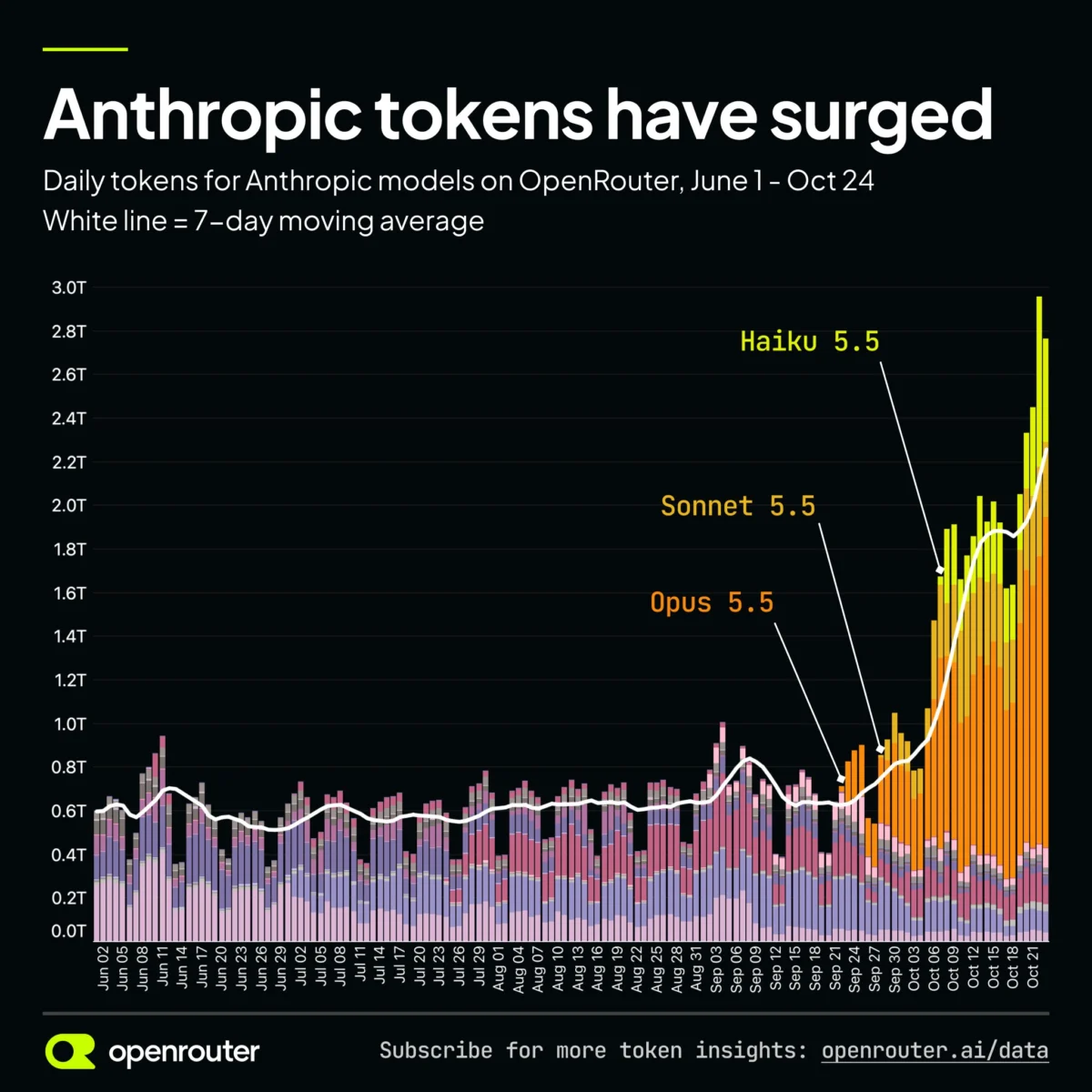
The scale of Anthropic’s growth is unprecedented. According to the SEC filing, the company reported $16.3 billion in revenue for the first half of 2026, a staggering increase from the $1.2 billion recorded during the same period in 2025. This rapid expansion is largely attributed to the successful launch of the Opus 5.5 model on September 22, 2026, which triggered a 3.6-fold increase in token usage for the Claude AI platform.
The company currently holds a robust balance sheet with over $130 billion in cash and cash equivalents. With the business already operating at a profit, the anticipated $80 billion-plus capital raise via the IPO is set to solidify Anthropic’s position as one of the most well-capitalized entities in the global AI race. For the firm’s workforce, this financial stability transforms their stock-based compensation into high-liquidity assets, effectively serving as a windfall that will have long-term implications for the local real estate landscape.

The San Francisco Housing Surge
The concentration of this new wealth is geographically centered in San Francisco, a city already struggling with housing supply constraints. Data from Zumper and other real estate research firms indicate that San Francisco currently hosts the most aggressive housing market in the United States. Year-over-year, citywide rents have climbed approximately 27%, with one-bedroom and two-bedroom apartments seeing increases of 25.4% and 26.8%, respectively.
Home prices are similarly inflated. By September 2026, the median home price—encompassing both single-family residences and condominiums—reached $1.69 million, representing a 14.7% increase year-over-year. Single-family homes have seen even more dramatic appreciation, with median prices rising 24% to approximately $2.2 million, as competitive bidding wars have resulted in 86% of properties selling above their listed asking price.
Landlord Dynamics and Rent Management Strategies
The rapid rise in property values and market rents has created a complex dilemma for residential property owners. Landlords who entered into long-term lease agreements in 2025 or earlier are currently finding their rental income significantly below market rates. For a property owner, the delta between existing lease rates and current market value can reach thousands of dollars per month, leading to a phenomenon where landlords must choose between maximizing short-term revenue and maintaining long-term tenant stability.
Many experienced landlords, particularly those who have operated in the Bay Area since the early 2000s, have adopted a strategy of pre-setting a "schedule of rents" within the lease agreement. By capping annual increases at roughly 3%, these owners provide tenants with budgetary predictability while securing a guaranteed, albeit lower, annual revenue stream. This approach reduces tenant turnover—a costly process that often requires thousands of dollars in maintenance, cleaning, and marketing to fill a vacancy.

Ethical and Practical Considerations of Tenant Wealth
A fundamental debate has emerged regarding whether a tenant’s sudden change in financial status should trigger a reassessment of rental terms. In the context of an IPO, where tenants may suddenly possess millions in equity, some argue that landlords are entitled to adjust rents toward market rates. However, legal experts and seasoned property managers note that the lease is a binding contract based on the asset’s utility, not a profit-sharing agreement linked to a tenant’s net worth.
The professional consensus suggests that attempting to force rent increases mid-lease can undermine the landlord-tenant relationship. If a landlord does not lower rent when a tenant experiences financial hardship—such as job loss or medical debt—there is no equitable justification for raising rent solely because a tenant has experienced a financial windfall. Furthermore, such actions often accelerate tenant departure, leading to a vacancy that can wipe out the incremental gains of a higher rent.
Institutional Perspectives and Market Outlook
The broader economic implications of the AI boom suggest that the "trickle-down" effect of high-tech wealth will continue to pressure urban housing markets. As Anthropic and its peers continue to attract global talent to San Francisco, the demand for high-end residential real estate is likely to persist.
For individual investors, this environment presents both opportunities and risks. While direct ownership of rental property offers superior income streams compared to traditional dividend stocks, it requires significant management oversight and the ability to navigate complex social dynamics. For those seeking exposure to the real estate sector without the operational burdens of being a landlord, private equity platforms such as Fundrise have seen increased interest. These platforms allow investors to gain exposure to diversified portfolios of residential and industrial properties, bypassing the complexities of individual tenant management.

Long-term Implications for Urban Centers
The current trajectory of the San Francisco housing market underscores a broader trend: the decoupling of local housing costs from the median wage, driven by the concentration of highly compensated technology professionals. While the immediate focus is on the impact of the Anthropic IPO, urban planners and economists are increasingly concerned about the long-term sustainability of such rapid price appreciation.
If current trends continue, the "permanent underclass"—those outside the tech ecosystem—may find themselves increasingly displaced from primary urban centers. The challenge for policymakers will be to manage the infrastructure and housing supply in a way that accommodates the growth of industries like AI while ensuring that the city remains accessible to a diverse workforce.
As for the landlords, the prevailing strategy remains one of caution. By honoring existing lease terms, property owners are prioritizing stability and the preservation of long-term assets. In a market characterized by rapid change, the reliability of a long-term tenant is often viewed as a higher-value commodity than the immediate, yet volatile, gains offered by short-term rent hikes. As the IPO date approaches, the eyes of both the financial sector and the local community remain fixed on the ripple effects that this historic wealth transfer will continue to produce in the coming fiscal year.
Ultimately, the lesson for investors and tenants alike is the importance of contractual clarity. Whether one is navigating a booming tech-driven economy or a period of stagnation, the strength of a lease remains the primary tool for managing expectations, mitigating risk, and ensuring a degree of order within the unpredictable currents of the modern real estate market. The coming months will provide a critical test of these dynamics as the Anthropic employees begin to deploy their capital, potentially setting a new benchmark for housing valuations across the San Francisco Bay Area and beyond.
