

The decision to maintain an aging vehicle rather than purchasing a new one is often framed as a simple matter of repair costs versus monthly payments. However, a deeper analysis reveals that the true cost of automotive ownership involves psychological, logistical, and financial variables that are frequently overlooked by the average consumer. As inflation continues to push the average transaction price for a new vehicle toward the $50,000 mark, more households are re-evaluating the traditional cycle of replacing vehicles every few years. This shift is driven by a combination of high interest rates, steep depreciation curves, and the intangible value of "low-stakes" ownership.
The Financial Calculus: Depreciation and Opportunity Costs
To understand the economic disparity between holding an older vehicle and financing a new one, one must look beyond the sticker price. A luxury SUV purchased for $110,000 represents a significant capital allocation. In a high-tax jurisdiction like San Francisco, where sales tax can exceed 8.5%, an initial investment of approximately $120,000 is required before the vehicle is even driven off the lot.
Depreciation is the most significant, yet often ignored, expense. Luxury vehicles typically experience a 20% decline in value during the first year, followed by an additional 10% to 15% in the second year. If an owner sells such a vehicle after 24 months, they face a loss of roughly $43,000 to $48,000 in market value and taxes. When amortized over two years, this equates to a monthly "rental" cost of $1,800 to $2,000, excluding insurance, fuel, and maintenance.
In contrast, an older vehicle—such as an 11-year-old SUV—operates on a different financial trajectory. Even with an annual repair budget of $3,000, the monthly cost remains approximately $250. This creates a surplus of nearly $40,000 over a two-year period, providing substantial liquidity that can be redirected toward investments or other long-term financial goals, such as relocation or education expenses.

The Psychological Component: The Burden of Ownership
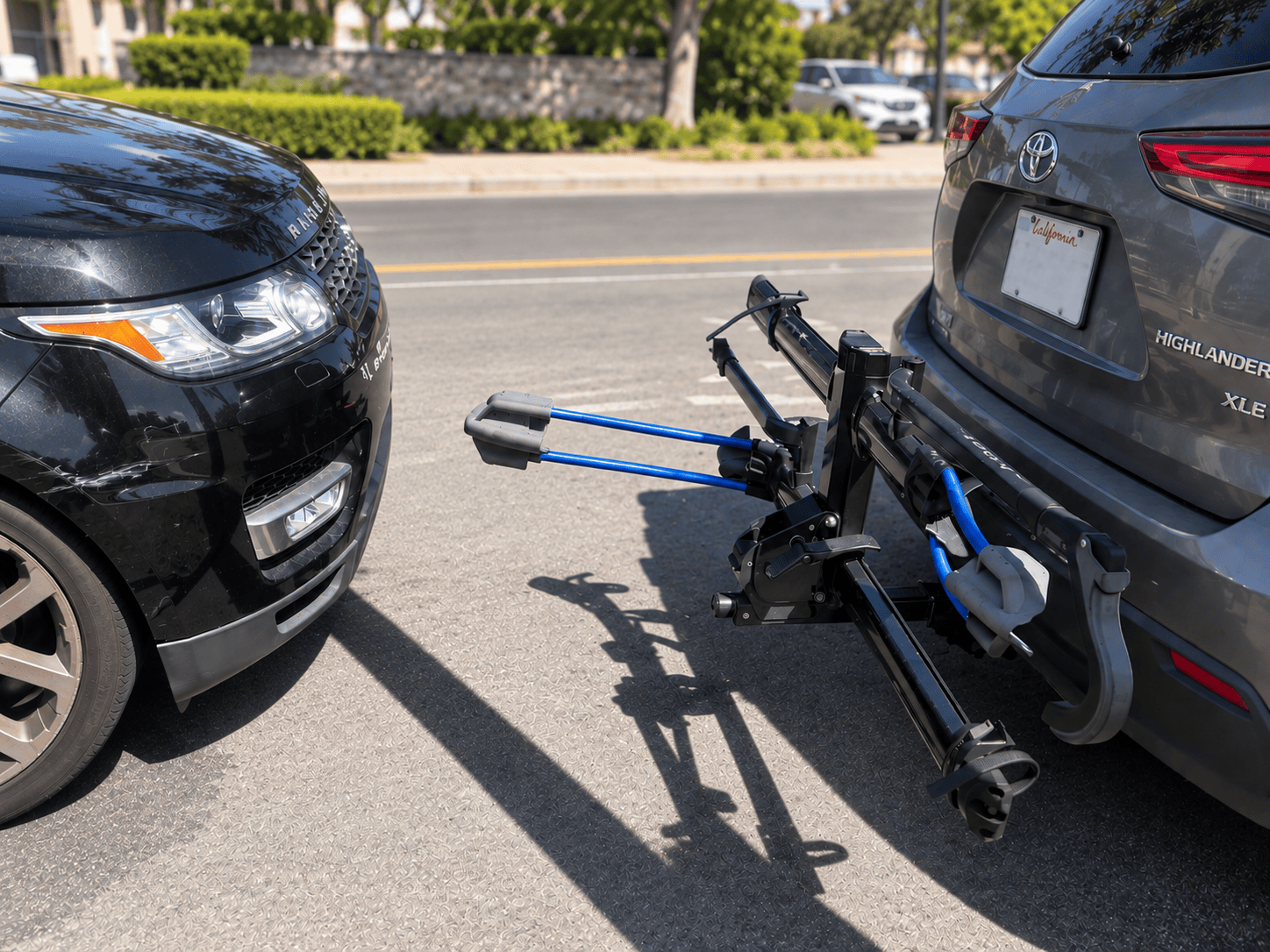
Beyond the balance sheet, there is a distinct psychological shift that occurs when a vehicle is no longer "new." A recent incident involving a minor collision with a protruding bike rack highlights this dynamic. The owner of a high-value, newer vehicle would likely experience significant distress over the resulting $3,000 to $4,000 in bodywork repairs.
However, for the owner of an aging vehicle, the reaction often transitions from initial frustration to a sense of relief. This phenomenon, often described as the "freedom of the old car," suggests that when a vehicle has already accumulated minor cosmetic imperfections, the owner is liberated from the hyper-vigilance associated with maintaining a pristine exterior. In high-density urban environments, where parking door dings and minor scrapes are statistically inevitable, the stress-reduction benefit of driving a vehicle with pre-existing wear is a tangible, albeit unquantifiable, asset.
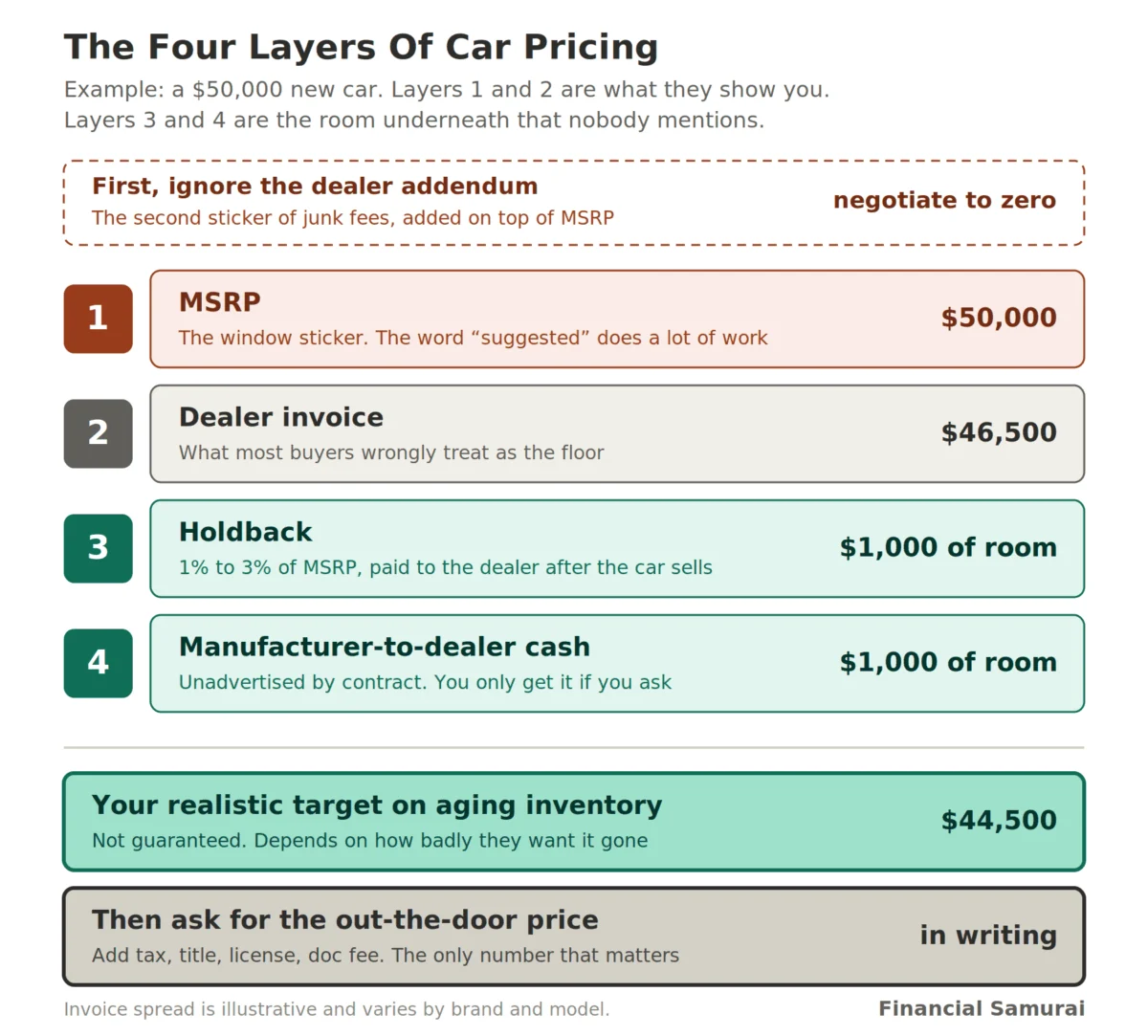
Navigating the Four Layers of Car Pricing
For those who choose to enter the market, understanding the complex architecture of automotive pricing is essential. The process is often obscured by layers designed to maximize dealer profit.
- MSRP (Manufacturer’s Suggested Retail Price): This serves as the baseline, yet it is rarely the actual price paid. Consumers should be wary of dealer addendums—such as paint protection or nitrogen-filled tires—which are often high-margin, low-value additions.
- Dealer Invoice: Often mistaken for the "cost" of the car, the invoice price is merely an internal accounting figure. It does not represent the actual acquisition cost for the dealer.
- Holdback: Manufacturers provide dealers with a 1% to 3% rebate on the MSRP after a vehicle is sold. This means that even when a dealer claims to sell a car "at invoice," they remain profitable.
- Manufacturer-to-Dealer Cash: These are unadvertised incentives specifically designed to move inventory. Because these programs are often region-specific and model-dependent, they represent the most significant opportunity for negotiation.
Effective negotiation requires treating the transaction as three distinct, non-overlapping components: the purchase price, the trade-in value, and the financing terms. By decoupling these, the buyer prevents the dealer from blending the numbers to obscure the true cost of the transaction. Furthermore, securing an "out-the-door" price in writing before entering the showroom is the most effective way to avoid last-minute add-ons or hidden documentation fees.
The 1/10th Rule and Long-Term Stability
Financial advisors frequently recommend the "1/10th Rule" for automotive purchases: the total price of the vehicle should not exceed one-tenth of the household’s gross annual income. Given that the average new car price is approximately $50,000, this rule suggests that a household should earn at least $500,000 annually to justify the purchase without jeopardizing their financial health.
Adhering to this rule acts as a "financial circuit breaker," preventing consumers from over-extending themselves on depreciating assets. When a vehicle represents a smaller fraction of one’s net worth, the anxiety associated with parking, maintenance, and minor accidents diminishes significantly.
Broader Implications for the Automotive Market
The trend of holding onto vehicles longer has become a structural feature of the modern economy. Data from various automotive research firms shows that the average age of light vehicles on U.S. roads has reached record highs, exceeding 12 years. This is driven not only by economic necessity but by an improvement in vehicle build quality, which allows cars to remain reliable for longer periods than in previous decades.
As manufacturers continue to push for high-margin, tech-heavy vehicles, the secondary market for reliable, older models is expected to remain robust. For the consumer, the strategic choice to extend the life of an existing vehicle—or to purchase a well-maintained older model—is increasingly viewed as a savvy financial maneuver rather than a sign of austerity.
Ultimately, the decision to invest in a new vehicle should be made with a clear understanding of the full, long-term costs. While the allure of the latest technology and safety features is significant, the peace of mind afforded by a lower-cost, "pre-dinged" vehicle offers a unique form of stability in an increasingly expensive world. By prioritizing financial liquidity over automotive aesthetics, consumers can protect their wealth and mitigate the daily stresses inherent in modern vehicle ownership.
