

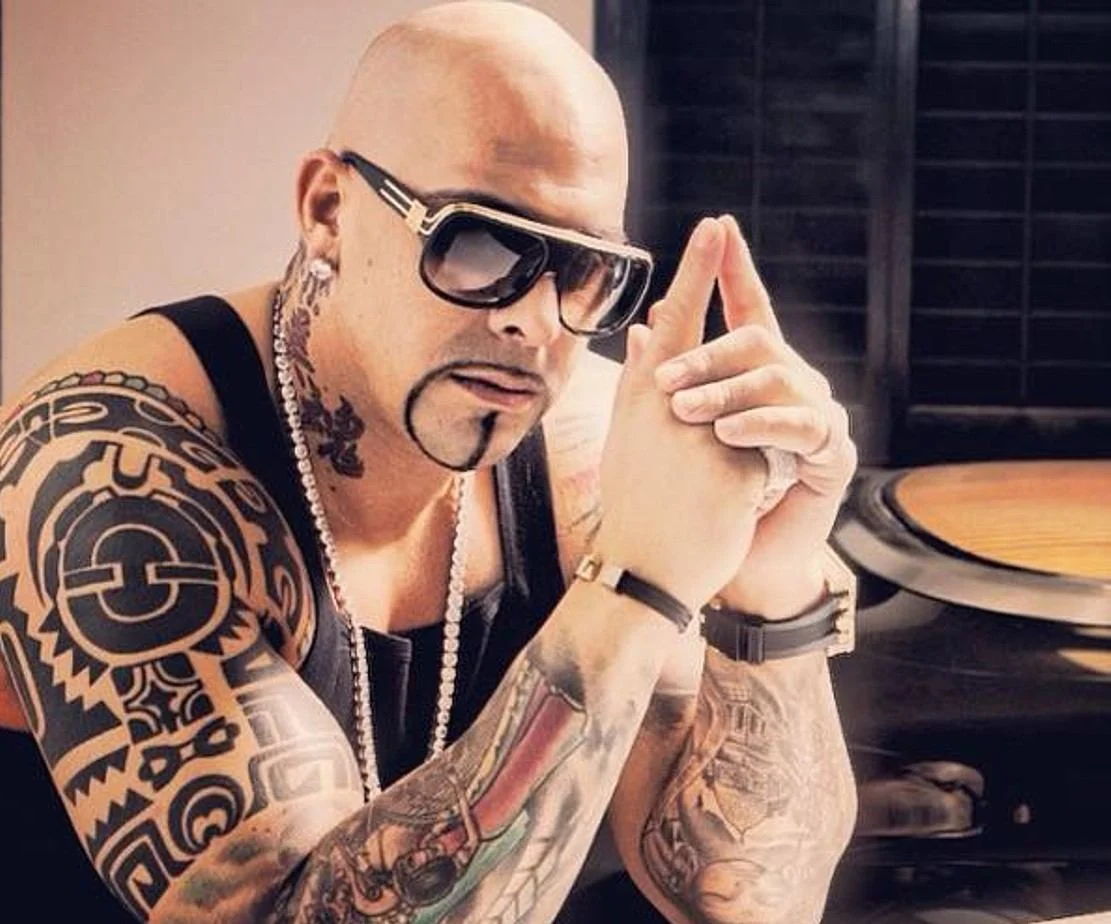
Hip-hop producer Jamal “Mally Mall” Rashid was ordered back to federal prison on Thursday, September 17, 2026, after a U.S. District Court judge in Las Vegas determined that he had repeatedly and flagrantly violated the conditions of his supervised release. Rashid, best known in the music industry for collaborating with prominent hip-hop artists and producing major commercial tracks in the early 2010s, appeared before U.S. District Judge Gloria Navarro, where he admitted to a litany of probation breaches. Following the hearing, the judge handed down a 17-month prison sentence, concluding that the producer had failed to demonstrate rehabilitation and remained a risk to public compliance.
The ruling marks the latest chapter in a protracted legal saga that began more than a decade ago with a high-profile federal raid on Rashid’s Las Vegas residence. The new prison term returns Rashid to federal custody, interrupting what was supposed to be the final day of his three-year term of court-ordered supervision.
The Probation Violations and Courtroom Proceedings
During Thursday’s federal court appearance, prosecutors outlined a disturbing catalog of infractions committed by Rashid while under federal oversight. According to court documents and statements made during the hearing, Rashid engaged in a pattern of deception and defiance of the legal system.
The admitted breaches of his supervised release included tampering with a witness, providing false information to probation officers regarding his cellular phone usage, and illegally recording a phone conversation. Furthermore, investigators discovered that Rashid had maintained a concealed "sex room" inside his private residence, directly violating specific behavioral restrictions tied to his underlying conviction for facilitating unlawful commercial sex operations. Law enforcement also confirmed that Rashid failed a routine drug test and violated association rules by maintaining contact with a convicted felon.
Judge Navarro made no secret of her skepticism regarding Rashid’s claims of personal reform. Addressing the producer directly from the bench, Navarro stated that she was "very disappointed" and admitted she was "not sure I believe" he had changed his behavior.
Navarro pointed out that she had not presided over Rashid’s original plea agreement in 2021, noting at the time that she believed the negotiated sentence understated the gravity of his offenses. During his original sentencing, Navarro famously characterized Rashid’s historical conduct as "monstrous," describing an environment in which his victims were subjected to conditions closely mirroring physical imprisonment. With the 17-month revocation sentence, Rashid must return to federal custody to serve out the remaining punitive correction for violating the trust of the court.
Background Context and the 2021 Federal Conviction
Rashid’s current legal troubles stem from a massive federal investigation that first erupted into public view in 2014, when agents from the Federal Bureau of Investigation (FBI) executed a high-profile raid on his luxury Las Vegas home armed with human trafficking warrants.
According to federal investigators and indictments filed in the District of Nevada, Rashid orchestrated a sophisticated, high-end prostitution ring beginning as early as 2002. Prosecutors detailed how Rashid leveraged his connections in the entertainment industry to lure aspiring models, dancers, and performers, utilizing various paid online platforms to advertise victims for commercial sex purposes across multiple states.
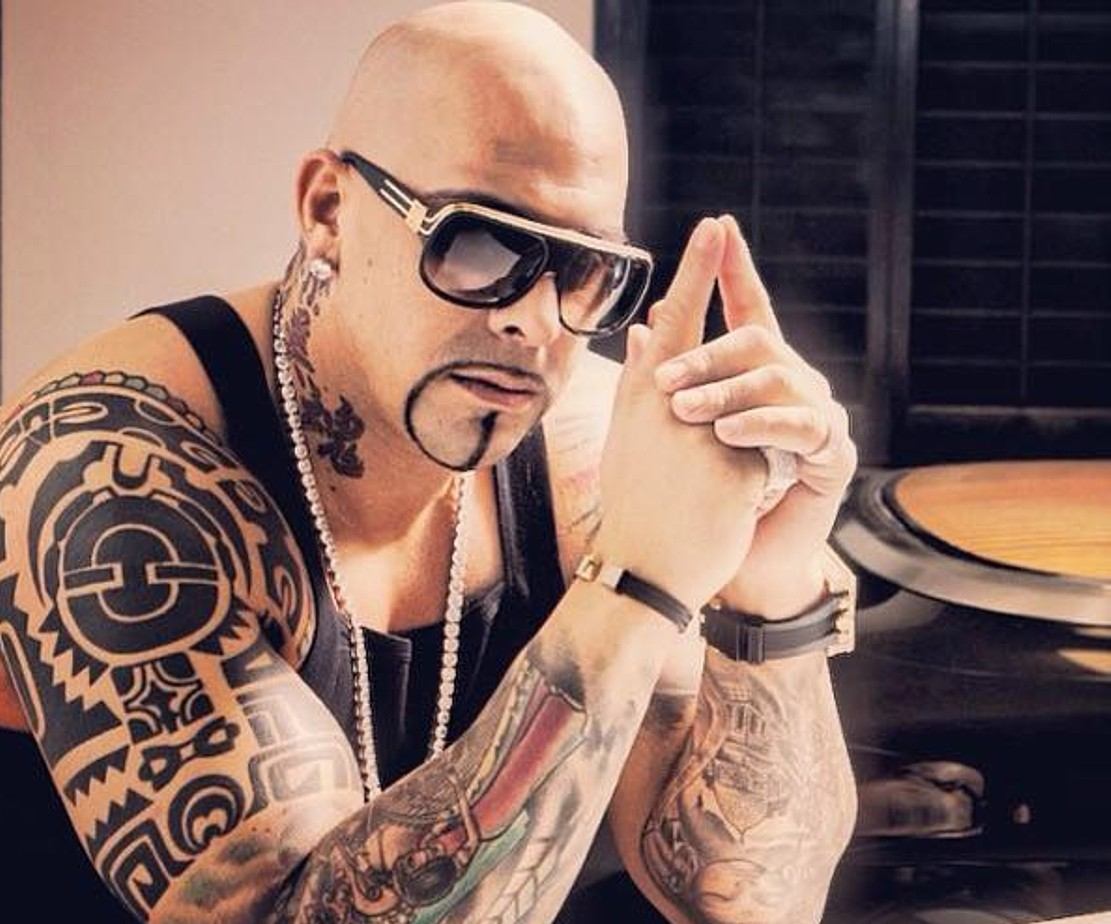
The government’s case established that Rashid maintained absolute financial and psychological control over the women through a mix of manipulation, psychological abuse, and explicit threats. In an effort to assert total dominance and symbolize forced loyalty, Rashid routinely pressured victims to tattoo his name or likeness onto their bodies. Many of the women were intentionally misled into believing that Rashid’s stature as a music producer would serve as a legitimate gateway to mainstream entertainment careers, a false promise that trapped them deeper within the enterprise.
After years of legal maneuvering, plea negotiations, and pre-trial delays, Rashid formally pleaded guilty in federal court to one count of using an interstate facility in aid of unlawful activity—specifically relating to commercial sex operations. In 2021, Judge Navarro sentenced him to 33 months behind bars at the Federal Correctional Institution in Sheridan, Oregon. That prison term was designed to be followed by a strict three-year period of supervised release, which officially commenced on July 14, 2023, and was initially slated to conclude on the very day of his 2026 revocation hearing.
Chronology of Key Events
A review of the timeline highlights the progression of Rashid’s legal entanglements from his initial industry peak to his ongoing federal incarceration:
- 2002: According to federal prosecutors, Jamal Rashid begins operating a wide-reaching interstate prostitution network utilizing online advertising and leveraging his entertainment industry status.
- 2014: The FBI executes a high-profile raid on Rashid’s Las Vegas residence based on human trafficking and related federal warrants.
- 2021: Rashid pleads guilty to a federal charge of using an interstate facility in aid of unlawful activity. U.S. District Judge Gloria Navarro sentences him to 33 months in federal prison, followed by three years of supervised release.
- July 14, 2023: Rashid completes his initial prison term at the Federal Correctional Institution in Sheridan, Oregon, and begins his three-year period of federal supervision.
- September 17, 2026: Exactly three years after beginning his probation, Rashid appears before Judge Navarro, admits to multiple supervised release violations—including witness tampering and maintaining a concealed sex room—and is sentenced to an additional 17 months in federal prison.
Supporting Data and Industry Context
Before his legal downfall, Mally Mall was a prominent fixture within the West Coast hip-hop production scene, collaborating with numerous chart-topping artists and contributing to commercially successful records. His career peaked commercially in the early 2010s, highlighted by major production credits on tracks such as 2013’s "Drop Bands On It"—featuring Wiz Khalifa, Tyga, and Fresh—and "Wake Up In It," featuring Tyga, Sean Kingston, French Montana, and Pusha T.
Despite his commercial visibility, Rashid’s business ventures and public persona frequently courted controversy. Investigators emphasize that Rashid’s industry connections and perceived wealth served as vital tools in his criminal enterprise, allowing him to project an image of legitimate corporate success while managing an illicit network behind the scenes. The convergence of celebrity culture and criminal exploitation became a central theme of the federal prosecution, which sought to dismantle the infrastructure that allowed Rashid to operate with relative impunity for over a decade.
Official Responses and Legal Implications
The office of the U.S. Attorney for the District of Nevada has consistently highlighted the Rashid case as a critical victory in the ongoing fight against human trafficking and the commercial exploitation of vulnerable individuals. In previous press releases, federal prosecutors underscored the predatory nature of Rashid’s operation, emphasizing that the exploitation of aspiring artists under the guise of mentorship represents a severe violation of public trust and federal law.
Legal analysts point out that probation revocation hearings involving multiple severe violations rarely result in leniency, particularly when a defendant has demonstrated a systemic disregard for the boundaries established by the court. By admitting to witness tampering, providing false statements to federal officers, and building unauthorized private spaces designed to evade oversight, Rashid effectively eliminated any argument for continued community supervision.
The implications of Thursday’s ruling extend beyond Rashid’s personal liberty. The decision reaffirms the federal judiciary’s strict stance on monitoring high-profile offenders post-incarceration. For victims advocacy groups, the sentence provides a measure of validation, signaling that courts remain vigilant even years after an initial conviction when a defendant fails to abide by the rehabilitation parameters set by the justice system. As Rashid returns to federal custody to serve his 17-month sentence, the case closes another chapter on a career once defined by music charts, now permanently overshadowed by federal accountability.
