

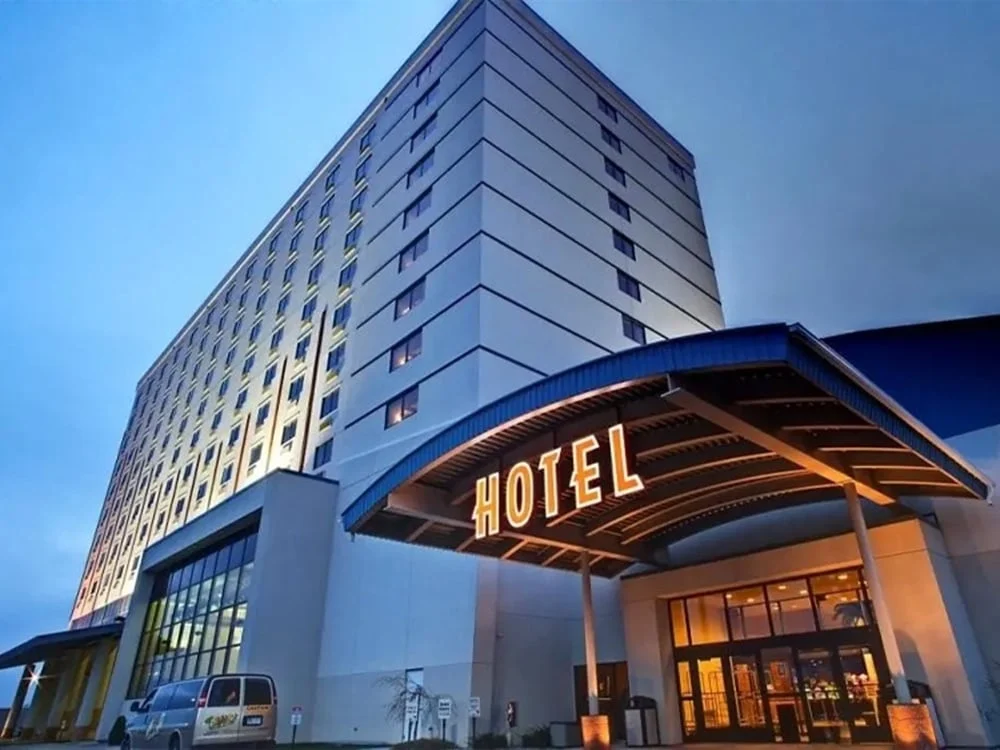
Michigan’s Native American tribes are increasingly withholding multi-million-dollar casino revenue-share payments from state coffers, a financial standoff rooted in a fundamental disagreement over what constitutes market exclusivity. For years, tribal operators entered into formal compacts with the state government, agreeing to funnel a percentage of their electronic gaming and slot revenues into state funds in exchange for protected, localized monopolies. However, the rapid evolution of the digital age, state-sponsored lottery expansions, and the recent legalization of online gambling have fundamentally altered the landscape. Tribal leaders argue that these state-backed ventures have systematically eroded the exclusivity they were promised, rendering their end of the bargain void.
The financial fallout of this growing rebellion is starkly evident in recent figures released by the Michigan Gaming Control Board (MGCB). Payments directed to the Michigan Strategic Fund (MSF)—a key financing arm of the Michigan Economic Development Corporation (MEDC)—have plummeted dramatically. According to state data, contributions dropped a staggering 71% in just a few short years, falling from $52.8 million in 2022 to a meager $15.4 million by the close of 2025. This downward trajectory is expected to steepen further as additional tribes join the withholding movement, signaling a systemic shift in tribal-state financial relations that could take years to resolve.
Chronology of a Financial Standdown
The erosion of state revenue-sharing payments did not happen overnight; it is the culmination of a decade-long friction point between tribal operators and state regulators. The roots of the current crisis stretch back to 2014, when the Michigan Lottery introduced online games, known as the iLottery. At the time, several tribal operators immediately raised alarms, asserting that offering lottery games over the internet directly competed with their brick-and-mortar casino offerings and violated the spirit of their exclusivity agreements.
Among the earliest to push back was the Gun Lake Tribe, operators of the Gun Lake Casino Resort, who initiated a withholding of payments following the iLottery rollout. While that specific dispute led to a partial legal settlement in 2016, the underlying tensions remained unresolved, setting a precedent for future defiance.
As the state continued to modernize its gaming apparatus, the flashpoints multiplied. In 2019, Michigan lawmakers legalized full-scale online casinos (iGaming) and sports betting, opening a lucrative digital marketplace for both commercial and tribal operators. While tribes were permitted to participate in the digital market, the sheer volume of competing platforms and state-sanctioned wagering avenues led tribal leadership to conclude that their exclusive brick-and-mortar protections had been thoroughly dismantled.
The timeline of halting payments accelerated significantly in the ensuing years:
- 2023: The Little River Band of Ottawa Indians officially ceased making its state revenue-share payments, joining a handful of other tribes that had stopped contributing years earlier.
- February 2025: The Nottawaseppi Huron Band of the Potawatomi, which operates the prominent FireKeepers Casino Hotel, suspended its payments entirely after having contributed a substantial $18.5 million to the state the previous year.
- Later in 2025: The Gun Lake Tribe renewed its withholding strategy, halting payments once more as broader market competition intensified.
- September 2026: The Pokagon Band of Potawatomi Indians, operators of the popular Four Winds casinos, became the latest major operator to join the withholding movement. The Pokagon Band had previously shared $11.7 million with the state in 2025 alone.
With these successive departures, the Hannahville Indian Community—operator of the Island Resort & Casino—stands as the lone major tribe in Michigan currently maintaining full state revenue-share payments, contributing roughly $644,000 for the 2025 fiscal year.
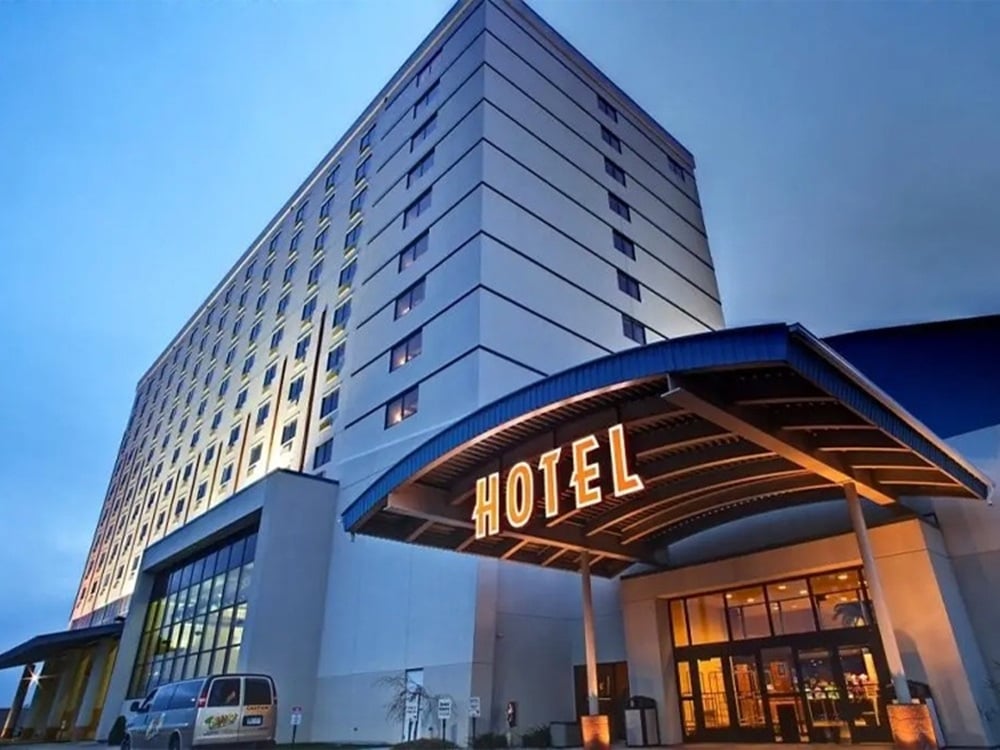
Financial Impact on State Economic Development
The abrupt disappearance of tribal revenue-sharing funds has created an acute budgetary challenge for the Michigan Strategic Fund and the MEDC. Historically, these tribal contributions have served as a vital, non-tax revenue stream used to finance economic development, business attraction initiatives, and job creation across the state. Industry reports indicate that Michigan tribes have collectively contributed more than $1.1 billion to the Strategic Fund since the inception of revenue-sharing agreements.
The loss of tens of millions of dollars annually has forced the MEDC to reckon with its own operational constraints. MEDC CEO Quentin Messer Jr. recently announced organizational restructuring and layoffs affecting up to 15% of both filled and vacant agency positions, explicitly citing declining corporate and non-tax revenues as a primary driver for the downsizing. While the state continues to draw substantial tax revenues from commercial and tribal digital gaming operations—which combined to pay $624.6 million in state taxes and fees during 2025—the specific loss of the MSF revenue-share funds targets a specialized pool of money that historically cushioned economic development projects independent of legislative tax appropriations.
A Complex Distinction: Local Versus State Contributions
It is important to note that the withholding strategy pursued by Michigan tribes applies strictly to their state-level revenue-sharing obligations. Tribal operators continue to fulfill their separate contractual obligations to local governments, distributing funds directly to municipalities, schools, and local infrastructure projects where their casinos reside.
Furthermore, the tribes have not completely divorced themselves from state coffers. Through their participation in authorized online casino gaming and mobile sports betting, tribal entities continue to generate hundreds of millions of dollars for Michigan via specific statutory tax structures established under the 2019 expansion laws. The core of the dispute remains tightly bound to the traditional Class III gaming compacts governing physical slot machines and table games, where tribes argue the state violated the foundational premise of geographic and market protection.
Legal Implications and the Road to 2028
As the standoff drags on, legal and gaming experts are looking toward the horizon to see how this dispute will ultimately find resolution. Many of Michigan’s original tribal-state gaming compacts feature specific windows for review and potential renegotiation, with major milestones approaching in 2028 and 2030.
These upcoming renegotiation periods are expected to serve as high-stakes battlegrounds where both sides must confront the realities of a modern, digital-first gambling ecosystem. For the state, maintaining the cooperative financial relationship established decades ago will require addressing tribal grievances over market saturation. For the tribes, defining the boundaries of exclusivity in an era where consumers can place sports bets and spin digital casino wheels from smartphones will necessitate entirely new regulatory frameworks.
Until those formal renegotiations commence, the silent protest mounted by Michigan’s tribal operators serves as a powerful reminder of the delicate balance underlying modern gaming compacts. As revenue streams continue to dwindle and state agencies tighten their belts, the pressure is mounting on lawmakers and tribal leaders alike to redefine the value of partnership in a marketplace that looks vastly different than it did when the first slot machine was turned on.
