

In a significant move to bolster the security and privacy of its consumer electronics ecosystem, LG Electronics USA has announced a sweeping crackdown on applications within its smart TV app store that transform consumer hardware into residential proxy nodes. This decision follows a revealing investigative report by the cybersecurity firm Spur, which uncovered that a staggering percentage of applications available on LG’s webOS and Samsung’s Tizen operating systems were silently integrating third-party software development kits (SDKs) designed to hijack the user’s internet connection for external traffic routing.
The policy shift marks a pivotal moment in the ongoing battle over Internet of Things (IoT) security. For years, smart TVs have evolved from simple display devices into sophisticated computing platforms. However, this evolution has brought with it a new set of vulnerabilities, as developers seek increasingly aggressive ways to monetize free software. By embedding residential proxy SDKs, developers can earn revenue by allowing proxy service providers to "rent" the home IP addresses of their users, often without the user fully grasping the implications of such an arrangement.
The Spur Investigation: A Deep Dive into Smart TV Vulnerabilities
The impetus for LG’s policy change was a research report published in July 2024 by Spur, a firm specializing in identifying and tracking proxy and VPN exit nodes. Spur’s researchers conducted an extensive audit of the applications available on the most popular smart TV platforms. The findings were alarming: more than 42 percent of the games and utility apps examined on the LG webOS store contained code that turned the television into a persistent residential proxy node.
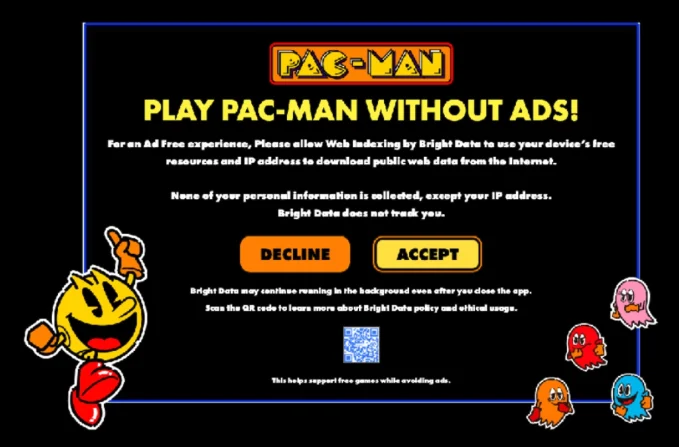
The situation was similarly concerning for Samsung, the world’s leading TV manufacturer. Spur found that more than 25 percent of the apps designed for Samsung’s Tizen OS carried similar residential proxy components. These SDKs are often bundled with seemingly innocuous software, including classic games like Pac-Man, digital screensavers, and various file management utilities. Once installed, these apps allow the proxy provider to route internet traffic from their paying customers through the consumer’s home network. To the outside world, this traffic appears to originate from a legitimate residential household, making it highly valuable for activities that require bypassing geographic restrictions or evading bot-detection systems.
Understanding the Residential Proxy Economy
To understand why this is a critical security issue, one must understand the mechanics of the residential proxy market. Unlike data center proxies, which use IP addresses owned by hosting providers and are easily identified and blocked by websites, residential proxies use IP addresses assigned by Internet Service Providers (ISPs) to actual homes.
Legitimate businesses use these proxies for tasks such as price scraping, ad verification, and market research to see how content appears to users in different regions. However, the high degree of anonymity provided by residential IPs also makes them a "holy grail" for malicious actors. Cybercriminals utilize these networks to launch credential stuffing attacks, bypass fraud detection on e-commerce sites, and hide the origin of botnet command-and-control traffic.
For the app developer, the incentive is purely financial. Residential proxy providers pay developers a fee based on the number of active nodes they recruit. For a developer of a free game that may not generate significant ad revenue, this "passive" monetization strategy is an attractive, albeit ethically murky, alternative.
LG’s Official Response and Enforcement Strategy
Responding to the data provided by Spur, LG Electronics has taken a firm stance. John Taylor, Senior Vice President at LG Electronics USA, confirmed to security researchers that the company is actively working to purge these SDKs from its platform. Taylor emphasized that the use of smart TVs as residential proxy nodes is not a sanctioned or intended function of the webOS platform.
"A residential proxy network is not an intended use for LG smart TVs, and LG Electronics is working with developers to remove the residential proxy option from their apps on the webOS platform," Taylor stated. He further clarified that the company is currently in the process of a comprehensive review of all submitted apps. Developers who have integrated these proxy SDKs are being given an ultimatum: remove the code or face immediate suspension from the LG Content Store.
This proactive approach is part of a broader effort by LG to enhance the quality and security of its user experience. Taylor noted that LG is strengthening its evaluation process for all future developer submissions to ensure that such SDKs do not find their way back onto the platform. The "well underway" review process suggests that hundreds, if not thousands, of apps could be removed or updated in the coming weeks.
The Defense from Proxy Providers: Consent and Transparency
One of the primary companies identified in the Spur report is Bright Data, a major player in the web data collection industry. In response to the findings, Bright Data defended its business model, asserting that its residential proxy network is built on a foundation of transparency and user consent.

In a statement, Bright Data argued that its practices are compliant with the terms of service set by platform holders like LG and Samsung. The company maintains that users are presented with a clear choice: they can either view advertisements within the app or agree to allow their device to serve as a peer in the residential proxy network. "Every peer opts in through a dedicated screen and receives value in return," the company stated, noting that its operations have undergone independent audits by firms like PwC to ensure ethical standards.
Bright Data and its competitors argue that they provide a vital service for the "open internet," allowing researchers and legitimate businesses to access public data that might otherwise be gated. They also claim to implement rigorous "Know Your Customer" (KYC) protocols to prevent their services from being used for illegal activities.
The Counter-Argument: The Illusion of Consent
Despite the claims of proxy providers, security experts and privacy advocates remain skeptical. Trevor Sutter of Spur argues that the "consent" obtained by these apps is often hollow. He points out that a one-time prompt buried in the setup of a casual game is hardly a substitute for meaningful transparency.
"The risk is amplified when consent comes from individuals within the household who use the device but shouldn’t give consent, such as minors," Sutter noted. In a typical household, a child might download a free game and click "Accept" on a series of prompts just to start playing, unknowingly turning the family’s television into a gateway for global internet traffic.
Furthermore, once consent is given, the user often has no easy way to monitor how much bandwidth is being used, what kind of traffic is passing through their network, or how to revoke access without uninstalling the app entirely. This lack of ongoing control is a significant departure from standard computing practices, where users expect to have visibility into background processes.
Broader Implications for IoT Security and Privacy
The situation with LG and Samsung highlights a growing trend of "silent" exploitation in the IoT space. Because smart TVs are rarely thought of as computers by the average consumer, they are seldom protected by antivirus software or monitored for unusual network activity. This makes them ideal targets for "living off the land" techniques, where legitimate software is used for unauthorized purposes.
The risks to the consumer are multifaceted:
- Network Performance: Routing third-party traffic can consume significant upload bandwidth, leading to lag in online gaming or buffering in streaming services.
- Legal Liability: If a proxy customer uses a resident’s IP address to commit a crime—such as distributing illegal content or launching a cyberattack—the digital trail leads directly to the consumer’s front door.
- Security Vulnerabilities: The presence of these SDKs can sometimes introduce secondary vulnerabilities. For instance, the "Kimwolf" botnet has been known to target local networks by piggybacking on existing proxy infrastructures, potentially allowing hackers to move laterally from a TV to a home computer or security camera.
A Pattern of Controversial Monetization
LG’s move to ban proxy SDKs comes at a time when the company is already facing scrutiny for other monetization practices. Recently, the technology YouTube channel Gamers Nexus reported that certain high-end LG LCD monitors were automatically installing McAfee security software on users’ Windows PCs via driver updates.
This "bloatware" was delivered through Windows Update without an explicit approval prompt from the user, leading to accusations that LG was prioritizing affiliate revenue over user experience and system integrity. While the proxy SDK issue is a separate matter involving the smart TV division, the two incidents together suggest a corporate culture at many hardware giants that is increasingly reliant on aggressive software partnerships to pad profit margins.
Conclusion and Future Outlook
LG’s decision to cull residential proxy SDKs is a welcome development for consumer advocates, but it also serves as a warning. As hardware margins slim, the temptation for manufacturers and developers to "monetize the user" will only grow.
While LG has taken a definitive step, the industry at large—including Samsung and other TV manufacturers using Android TV or Fire OS—has yet to announce similar wholesale bans. For consumers, the best defense remains a cautious approach to "free" software. Experts recommend that users regularly audit the apps installed on their smart devices, utilize network monitoring tools where possible, and be wary of any application that requests permissions or "opt-ins" that seem unrelated to its primary function.
The removal of these proxy nodes from webOS is a victory for transparency, but the battle for the "cleanliness" of the home network is far from over. As the internet of things continues to expand, the line between a household appliance and a commercial server continues to blur, requiring both stronger corporate oversight and more vigilant consumer awareness.
