

The popular cultural perception of the Financial Independence, Retire Early (FIRE) movement is often confined to a singular, rigid archetype: the austere minimalist living on a restricted diet of rice and beans, scouring clearance aisles for coupons, and maintaining aging vehicles far beyond their intended lifespan. Critics frequently characterize these individuals as pathologically frugal, suggesting they sacrifice the present joys of life to hoard capital in an obsessive pursuit of an early exit from the workforce. However, a deeper analysis of the financial mechanics behind early retirement suggests this stereotype is not only outdated but fundamentally misrepresents the economic reality of those who achieve financial independence.
The Evolution of the FIRE Movement
The FIRE movement gained significant traction following the 2008 global financial crisis, as a generation of workers sought to insulate themselves from the volatility of corporate environments. By achieving a high savings rate—often exceeding 50% of annual income—practitioners aimed to accumulate a portfolio large enough to cover their cost of living through passive income.
Early pioneers of the movement emphasized radical frugality as the primary vehicle for this transition. However, as the demographic of the movement has expanded, the "lean FIRE" approach has been largely superseded by "fat FIRE," a strategy that prioritizes maintaining a high-quality lifestyle while retired. The transition from a corporate role to full retirement involves a seismic shift in financial behavior, one that often reveals that the "cheap" label applied to these individuals is a superficial misreading of their actual expenditure patterns.
The Enormous Opportunity Cost of Early Retirement
The most significant, yet often overlooked, expense associated with FIRE is the staggering opportunity cost of voluntarily exiting the labor market. When a high-earning professional chooses to retire at age 40 or 45, they are not merely opting out of a paycheck; they are relinquishing millions of dollars in future lifetime earnings.
To put this into perspective, consider an executive or high-level professional earning a base salary of $250,000, supplemented by annual discretionary bonuses. Over a 14-year period, the cumulative loss of base salary alone exceeds $3.5 million. When factoring in bonuses and career progression, the total forgone compensation often approaches or exceeds $7 million. For these individuals, "retiring" is the single most expensive financial decision of their lives. They are effectively paying a multi-million-dollar premium to reclaim their time, autonomy, and freedom from corporate pressures.
The Hidden Costs of Post-Corporate Life
Beyond the loss of salary, early retirees must navigate the complex landscape of self-funded benefits. One of the most critical of these is healthcare. In the United States, employer-subsidized insurance is a major component of total compensation. Once an individual leaves the workforce, they must transition to unsubsidized private insurance or the marketplace.

For a family of four, the annual cost of high-quality, comprehensive health coverage can easily reach $36,000 or more. This is an expense that many employees take for granted, but for the early retiree, it represents a significant, non-negotiable line item that must be integrated into their annual budget. When combining lost income with the sudden burden of full-price healthcare, the "frugal" FIRE practitioner is arguably one of the largest consumers of capital in the modern economy.
Beyond the Basics: Analyzing Discretionary Spending
While critics point to the use of older vehicles or the avoidance of luxury travel as evidence of cheapness, these choices often reflect a calculated prioritization of resources. For many in the FIRE community, the decision to maintain an older car is not born of a lack of funds, but rather a desire to eliminate the stress and depreciation associated with new, high-maintenance assets.
Data suggests that once the foundational financial independence number is achieved, spending patterns shift toward long-term value and personal enrichment. This can be categorized into three primary pillars of modern discretionary spending for FIRE households:
1. Housing and Environment
The decision to upgrade to a larger home or a more desirable location is frequently cited by early retirees as a primary lifestyle enhancement. This often involves significant increases in property taxes, insurance, and ongoing maintenance costs. While a smaller dwelling might suffice for survival, many choose to invest in larger spaces to accommodate family life or long-term lifestyle goals, effectively increasing their annual expenditure by $50,000 or more.
2. Educational Investments
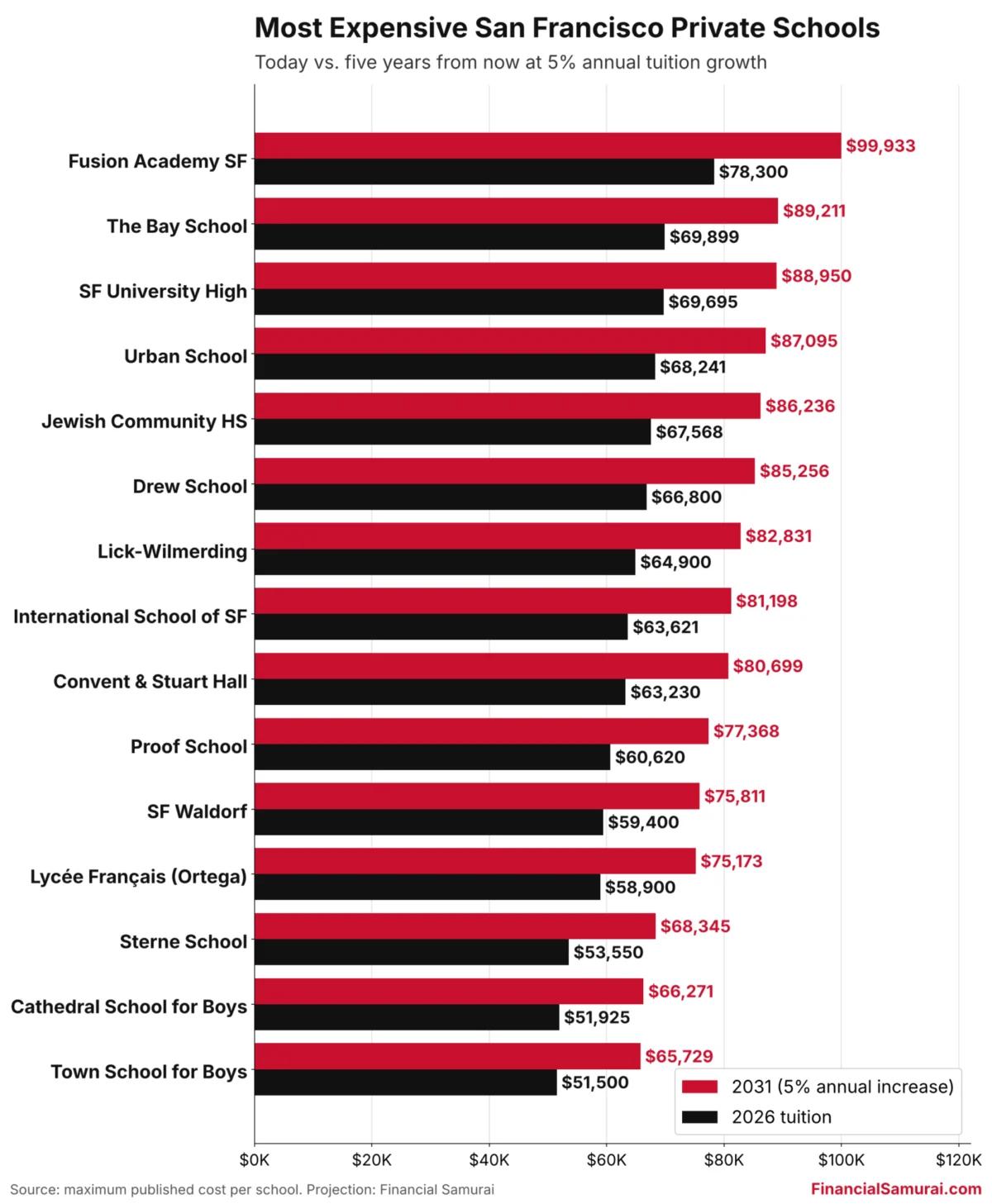
There is a growing trend among affluent early retirees to invest heavily in specialized education for their children. Whether through private schooling or immersion programs, families are opting to spend upwards of $46,000 per child annually. This shift away from public schooling reflects a prioritization of human capital development over liquid savings, a clear departure from the "scrimp and save" mentality often attributed to the community.
3. Buying Back Time
Perhaps the most notable departure from the "cheap" stereotype is the intentional use of funds to outsource labor. This includes the frequent use of meal delivery services, housekeeping, and personal assistants. By spending approximately $12,000 to $15,000 annually on these services, retirees are demonstrating that they value their time more than the marginal savings of manual labor. This is the antithesis of a frugal, DIY-obsessed lifestyle.
The Economic Reality Check
When these discretionary costs—housing, education, and services—are aggregated, it becomes clear that the FIRE lifestyle is anything but low-cost. An annual expenditure of $170,000 in discretionary costs alone, added to the millions in forgone salary, demonstrates that early retirement is a high-consumption endeavor.
The following table summarizes the estimated annual discretionary spending for a typical household adopting this model:
| Expense Category | Annual Estimated Cost |
|---|---|
| Enhanced Housing (Tax/Maintenance) | $50,000 |
| Private/Specialized Education | $92,000 |
| Family Activities & Healthcare | $16,000 |
| Outsourced Services (Food/Delivery) | $12,000 |
| Total Annual Discretionary Spending | $170,000 |
Implications for Financial Planning and Social Narratives
The persistence of the "cheap" stereotype serves to obscure the broader implications of the FIRE movement. If the narrative were to shift toward viewing early retirement as an exercise in high-value spending rather than low-cost hoarding, it would foster a more accurate understanding of personal finance.
The ability to retire early is ultimately a testament to the power of capital accumulation and the conscious allocation of resources. Rather than being a movement defined by deprivation, it is a movement defined by the prioritization of autonomy. By choosing to forego the traditional career path, individuals are making a statement about the value of time—a finite resource that, unlike money, cannot be replenished.
Conclusion: A Shift in Perspective
The evidence indicates that the "cheap FIRE" practitioner is a relic of early internet-era personal finance blogging. Modern FIRE adherents are often significant contributors to the economy, supporting private institutions, the housing market, and service industries at rates that exceed those of many traditional wage earners.
The financial independence journey is not a race to the bottom of the expense report; it is a strategic maneuver to reach a point where income is no longer the primary determinant of one’s quality of life. As this demographic continues to grow and influence broader financial trends, the public discourse must evolve to reflect the reality: FIRE is not about spending as little as possible—it is about spending intentionally on the things that matter most, even if those things are prohibitively expensive by conventional standards. The era of the "cheap" FIRE label should be considered effectively retired.
