

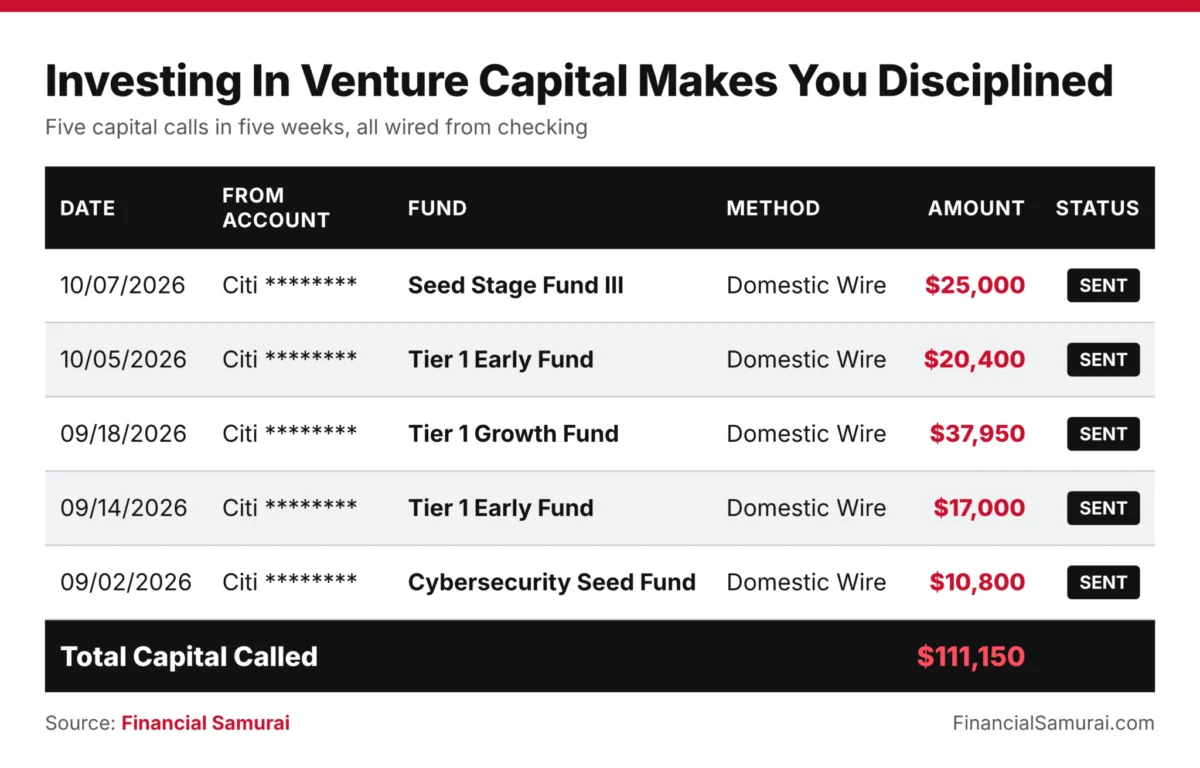
The management of personal wealth after reaching financial independence—a state commonly referred to as Financial Independence, Retire Early (FIRE)—presents a unique set of challenges. Chief among these is the "liquidity trap," where an individual possesses significant net worth but lacks the immediate cash flow required to satisfy capital commitments. This tension has become increasingly prominent for private market investors, particularly as institutional venture capital funds accelerate their deployment of capital through frequent, high-volume calls.
The Dynamics of Modern Capital Calls
In the current private equity and venture capital environment, limited partners (LPs) often face a "capital call" rhythm that can fluctuate significantly based on the fund manager’s deployment pace. A recent case study involving an individual investor highlights a period of intense liquidity pressure: five capital calls executed within a five-week span, totaling $111,150. Such occurrences serve as a barometer for broader market conditions, suggesting that venture firms are aggressively pursuing deal flow in a landscape defined by rapid technological shifts, specifically the proliferation of artificial intelligence.
When capital calls occur in rapid succession, they strain the investor’s cash position. For those who have exited the traditional workforce, this creates a reliance on passive income streams or the liquidation of other assets. For an investment banker or high-earning executive, such calls might be absorbed by annual bonuses; however, for the retired individual, these obligations necessitate a rigid and disciplined approach to asset allocation to ensure solvency remains intact despite the reduction in liquid cash.

The Risk Profile of the Post-FIRE Investor
Asset allocation drift is a documented phenomenon in wealth management. Over a period of several years, market appreciation in specific sectors can lead to a portfolio that deviates from an investor’s original risk tolerance. In the context of venture capital, the illiquid nature of the asset class acts as a structural safeguard. Unlike public market securities, which can be traded impulsively via mobile applications, private equity commitments are locked, forcing the investor into a long-term holding pattern.
Professional financial analysts often recommend that private equity exposure should not exceed 10% to 20% of an investor’s total investable capital. This "ring-fencing" strategy is designed to protect the core 80% of a portfolio from the high-beta volatility associated with early-stage venture bets. By capping this exposure, investors can mitigate the risk of a total loss in the private sleeve while still gaining exposure to the potential alpha generated by top-tier funds.
Chronology of Risk and Market Cycles
Historical data from the 2008 Global Financial Crisis (GFC) underscores the importance of maintaining an appropriate asset mix. During that period, many investors saw net worths decline by 35% to 40% within six months. This volatility serves as a sobering reminder that diversification is not merely an investment strategy, but a mechanism for survival.
Following the GFC, the market entered a prolonged period of recovery and expansion. Investors who remained disciplined, avoiding the urge to panic-sell during downturns, were rewarded by the eventual return to all-time highs in the S&P 500 and NASDAQ indices. The difficulty, however, remains psychological: maintaining the discipline to hold or invest during a downturn when market sentiment is overwhelmingly negative. Institutional venture capital models solve this problem by design; capital calls mandate investment even when the investor might otherwise choose to hoard cash due to fear.

The Role of Top-Tier Venture Funds
Not all venture capital funds are created equal. Empirical evidence shows that a significant majority of venture funds fail to outperform the public markets over a ten-year horizon. However, the top-tier managers—those with proven track records and access to the most promising early-stage companies—consistently provide returns that justify their higher fee structures.
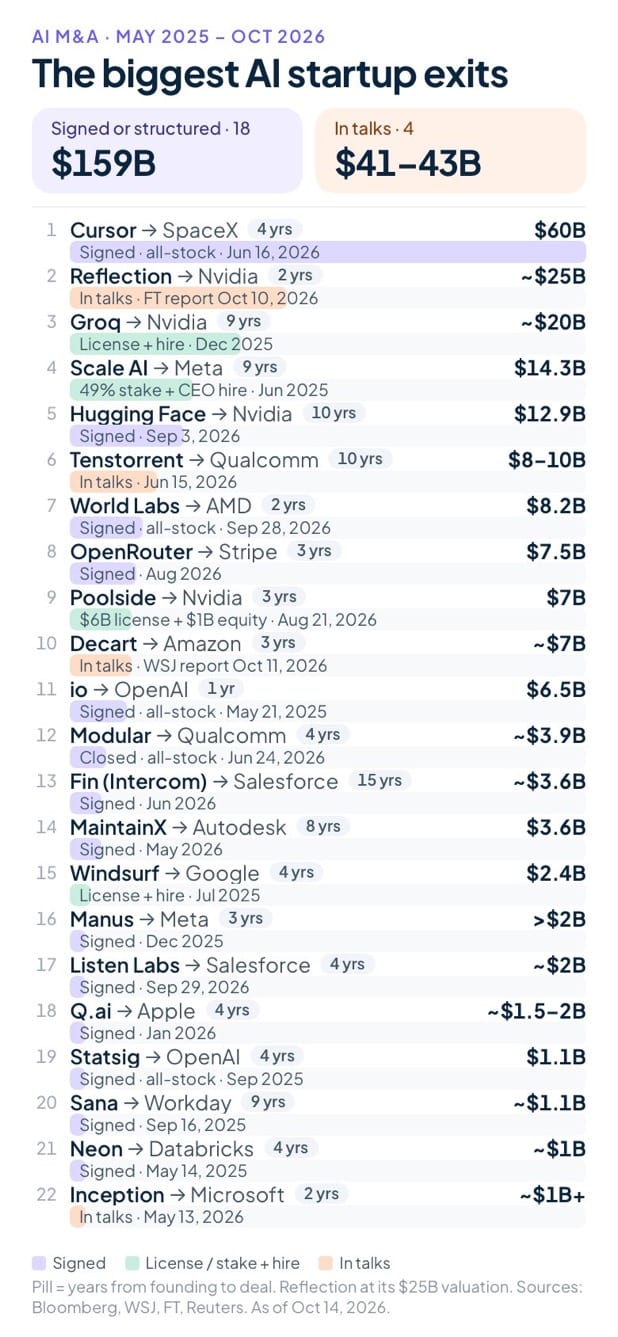
For the private investor, the challenge is twofold: gaining access to these exclusive funds and ensuring that the vintage year (the year the fund begins making investments) does not coincide with a market bubble. Investors are currently navigating a landscape where AI-driven startups are attracting record-breaking valuations. While paper gains on these investments can be substantial, they remain speculative until a liquidity event, such as an initial public offering (IPO) or an acquisition, occurs.
Psychological Factors and Generational Planning
While financial modeling focuses on spreadsheets and risk-adjusted returns, the psychological component of investing is often overlooked. For many parents, the motivation for aggressive investment stems from a desire to provide a safety net for their children in an era where traditional career stability is being challenged by automation and artificial intelligence.
This "protective" mindset transforms the act of fulfilling a capital call from a stressful financial drain into a strategic effort to secure a future inheritance. When an investor views a wire transfer as a long-term contribution to a child’s financial foundation, the short-term discomfort of reduced liquidity becomes more manageable. This perspective creates a dual-timeline strategy: the investor maintains a defensive, low-volatility portfolio for their immediate needs while allocating a portion of their capital to high-growth, long-term ventures for the next generation.
Broader Implications for Wealth Management
The intersection of private equity and retail wealth management highlights a broader shift in the American financial landscape. As the barrier to entry for venture capital lowers through various syndication platforms, more individual investors are gaining access to institutional-grade assets. However, this accessibility requires a heightened level of financial literacy.
Investors must distinguish between liquidity and solvency. A liquidity issue—being "cash poor" for a short duration—is a management problem that can be resolved with proper planning. A solvency issue—being unable to meet long-term debt obligations—is a structural failure that can lead to catastrophic losses, such as home foreclosure or bankruptcy.
Best Practices for Risk Mitigation
To prevent portfolio drift and ensure long-term stability, financial advisors recommend the following practices:
- Regular Audits: Investors should review their asset allocation at least annually. A portfolio that was 60% equities and 40% fixed income may shift to 80/20 during a bull market, significantly increasing the risk profile without the investor’s conscious intent.
- Stress Testing: Before committing to illiquid assets, investors should model their cash flow requirements for the next three to five years. This includes accounting for major life events, such as children entering college or potential shifts in primary income.
- Third-Party Oversight: Engaging a financial professional or a trusted mentor to review investment decisions can provide a necessary check against overconfidence. An outside perspective can identify risks that the investor, blinded by the potential for high returns, might ignore.
- Integration of Real Estate: Real estate provides a unique form of "forced" long-term investment. Due to its inherent illiquidity, it cannot be sold on impulse, which protects the investor from the temptation to liquidate during market dips.
Conclusion
The current environment of venture capital deployment underscores the necessity of a balanced, disciplined approach to wealth management. By ring-fencing high-risk investments, maintaining a focus on top-tier fund managers, and anchoring the portfolio with more stable, long-term assets like real estate, investors can navigate the volatility of the modern market.

Ultimately, successful long-term investing is less about the pursuit of quick returns and more about the preservation of capital through periods of economic uncertainty. Whether motivated by the desire to outperform indices or the necessity of securing a future for the next generation, the most successful investors are those who can reconcile their short-term financial constraints with their long-term objectives. As technological advancements continue to reshape the global economy, the ability to think across multiple timelines will remain the most critical skill for the modern investor.
