

Washington, D.C., is poised to become the next significant jurisdiction in the United States to embrace legalized online casino gaming, encompassing a full suite of internet slots, table games, and poker. Simultaneously, the proposed legislation aims to decisively address the burgeoning sweepstakes model, which has proliferated nationwide within a legally ambiguous framework. This comprehensive legislative push seeks to bring a substantial, currently untaxed economic activity into a regulated environment, ensuring consumer protection and generating significant revenue for the District.
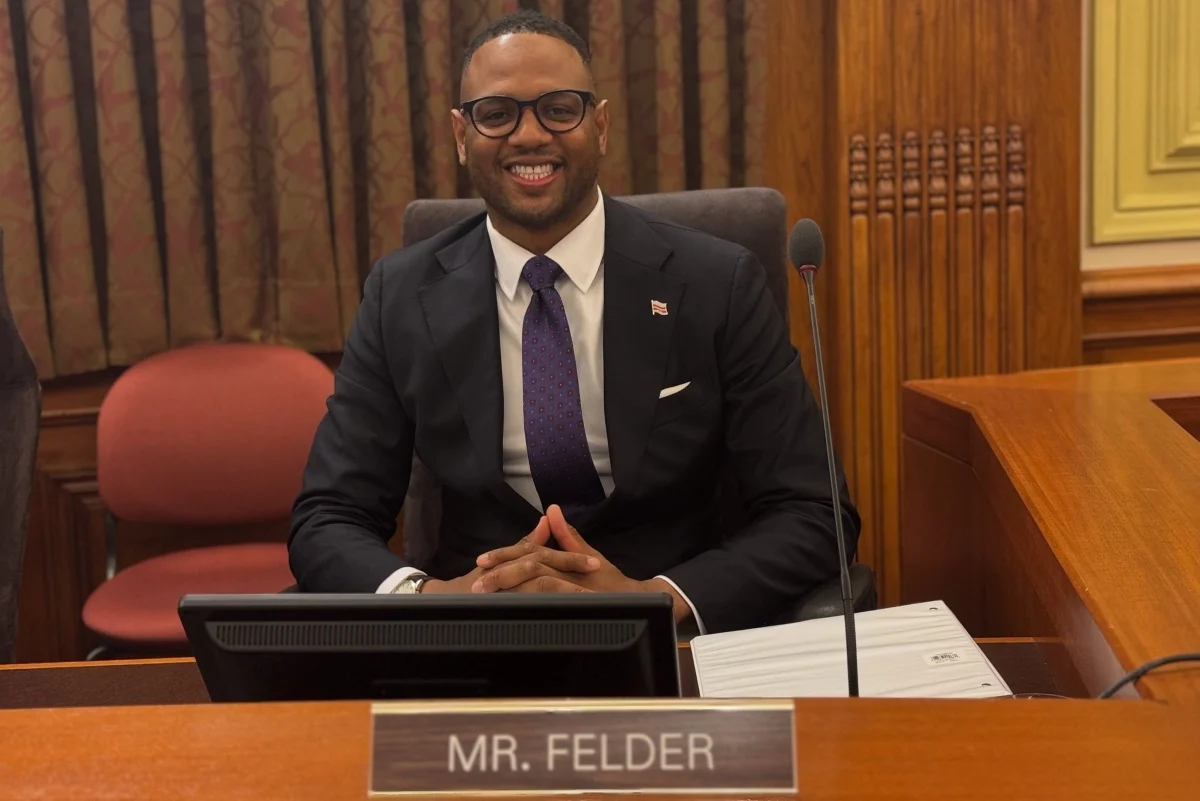
The "Internet Gaming and Consumer Protection Act of 2026" (B26-0656) was officially introduced to the D.C. Council on April 9 by Councilmember Wendell Felder, who chairs the influential Subcommittee on Local Business Development. This pivotal bill has rapidly advanced through initial legislative channels, demonstrating a clear intent to move swiftly. Following its introduction, the bill was referred to the Committee on Human Services, which has already scheduled a public hearing for May 4. This rapid progression underscores the District’s serious consideration of the economic and regulatory benefits presented by a legalized iGaming market, while also addressing the growing concerns surrounding unregulated gaming.
The Legislative Journey and Economic Imperative
The journey for B26-0656 commenced with its filing at the Office of the Secretary on April 8, swiftly followed by its formal introduction. The quick scheduling of a public hearing just four days later, on April 12, highlights the legislative urgency surrounding this issue. Councilmember Felder’s initiative is rooted in a pragmatic understanding of the existing gaming landscape within the District. In his introductory letter, Felder underscored the staggering economic drain caused by unregulated online gambling, citing estimates that D.C. residents collectively wagered approximately $700 million on unlicensed platforms in 2024 alone. This substantial sum represents a significant leakage of capital from the local economy, failing to generate any tax revenue for the District, provide adequate consumer protections, or receive essential regulatory oversight.
By legalizing and regulating "internet gaming," the bill aims to redirect these substantial funds into the local economy. D.C. already possesses an established regulatory framework for gambling, overseeing both sports betting and a lottery system through the Office of Lottery and Gaming (OLG). Councilmember Felder designed the proposed legislation to seamlessly integrate with these existing programs, leveraging the OLG’s expertise to manage the new online casino offerings. This strategic alignment is expected to streamline the implementation process and ensure consistent oversight across all forms of regulated gaming in the nation’s capital.
A Robust Regulatory and Financial Framework
The proposed framework for iGaming in D.C. is designed to attract reputable operators while ensuring substantial revenue generation and stringent consumer protection. Potential licensees would face an initial application fee of $2 million for a five-year license, with a renewal fee set at $500,000. These significant costs are structured to attract serious, well-capitalized operators committed to long-term investment in the District’s market, filtering out less stable entities. Each licensed entity would generally be permitted to offer no more than two distinct internet gaming brands, although the OLG retains discretionary authority to authorize additional brands based on market conditions and regulatory considerations.

The financial model proposed is notably robust. Operators would be subject to a monthly tax rate of 25% on their adjusted gross gaming revenue (AGGR). In addition to this, a 2% regulatory assessment would be levied to cover administrative costs associated with oversight and enforcement, alongside a further 2% community impact assessment. This combination results in a total effective tax rate of 29%. This rate positions D.C. competitively within the landscape of legalized iGaming states, though it is higher than some (e.g., New Jersey at 15%) and lower than others (e.g., Pennsylvania’s 54% for slots). For instance, Michigan’s tax rates range from 20-28% based on AGGR, while West Virginia stands at 15%. D.C.’s proposed rate seeks to strike a balance between attracting operators and maximizing public revenue.
Market Opportunity and Operational Requirements
A legal iGaming market in Washington, D.C., while geographically compact, presents a high-value opportunity for established online casino operators. The bill strategically includes provisions that grant companies already holding an existing sports betting operator license an expedited review process. This is a significant advantage for major players like FanDuel, DraftKings, and BetMGM, all of whom operate online sports betting in D.C. alongside Caesars, Fanatics, and theScore. This "first-mover advantage" is designed to ensure a rapid and efficient launch of iGaming services by leveraging existing infrastructure and market penetration.
Strict operational requirements are embedded within the legislation to safeguard consumers and ensure responsible gaming. The minimum age for all online casino play would be 21, a stricter standard than the 18-year-old limit currently in place for sports betting in D.C. Operators would be mandated to implement robust age and identity verification protocols before accepting any bets from new users. Furthermore, similar to online sports betting, iGaming services would not be available on federal land, such as the National Mall, requiring sophisticated geolocation technologies to enforce these boundaries.
A cornerstone of the "Consumer Protection Act" aspect of the bill is its comprehensive approach to responsible gambling. Operators would be required to offer a full suite of responsible gambling tools, including user-definable loss limits, session time limits, self-exclusion options, and cool-off periods. Critically, the system would apply default limits automatically to all accounts upon creation. Customers wishing to adjust these limits would only be able to do so after acknowledging explicit responsible gambling information, a measure designed to encourage thoughtful engagement with these tools.
Beyond operators, suppliers of game content, geolocation services, payment processing, and random number generators (RNGs) must also obtain a supplier license, accompanied by a $50,000 application fee. This ensures that all components of the iGaming ecosystem meet the District’s stringent regulatory standards for fairness, security, and integrity. A particularly notable and progressive requirement within the bill is the mandate for Certified Business Enterprise (CBE) participation. This provision stipulates that operators must ensure at least 35% of their D.C.-related operating budget is allocated to local small businesses through contracts, fostering economic growth and opportunity within the District’s own community.
The Sweeping Crackdown on Sweepstakes Casinos
Perhaps one of the most impactful and precedent-setting aspects of the proposed legislation is its aggressive stance against sweepstakes gaming, introducing an outright prohibition on these platforms. The sweepstakes model has gained considerable traction across the U.S. by operating in a perceived "legal gray zone." These platforms typically employ a dual-currency system: "Gold Coins" for free-to-play modes and "Sweepstakes Coins" which can often be redeemed for real-world prizes such as gift cards or cash. The core argument used by these platforms is that because players can acquire sweepstakes entries (Sweepstakes Coins) for free, their operations should not be classified as illegal gambling.

However, a growing number of states have begun to challenge this interpretation, with several having passed or actively considering legislation to ban or severely restrict sweepstakes casinos. The D.C. bill directly targets this ambiguous structure. It meticulously defines "sweepstakes gaming" as any game, promotional contest, or scheme, whether in-person or online, in which a person can play casino-style games and win a prize, directly or indirectly. This broad definition is designed to unequivocally capture and outlaw the dual-currency model prevalent in the sweepstakes industry.
The enforcement mechanisms proposed are equally robust. Operators found running or marketing sweepstakes gaming without a proper license would commit a civil violation, with regulators treating each day of non-compliance as a separate offense. The OLG would be empowered to issue cease-and-desist orders, and the D.C. Attorney General’s Office would be authorized to bring civil action seeking injunctive relief and the disgorgement of profits. This comprehensive legal toolkit aims to dismantle the sweepstakes model within the District’s borders.
Should the bill pass as currently written, it would effectively force existing sweepstakes platforms to either cease operations in D.C. or transition to a standard iGaming operator license. The latter option, requiring a $2 million application fee and a 25% revenue tax, is largely unfeasible for most sweepstakes operators, whose business model relies on avoiding such substantial regulatory costs and taxes. D.C.’s approach, explicitly prohibiting the dual-currency model and establishing clear, aggressive enforcement, positions it as one of the most stringent and definitive stances against sweepstakes gaming in the country today. This could set a significant precedent for other jurisdictions grappling with the legality and regulation of these platforms.
Looking Ahead: Timeline and Broader Implications
The legislative timeline for B26-0656 has indeed moved with notable speed since its introduction. Following the public hearing scheduled for May 4, the bill will undergo further scrutiny within the Committee on Human Services. If it successfully passes through the committee, it will then proceed to a vote by the full D.C. Council. Should the Council pass the legislation, it will then require the signature of Mayor Muriel Bowser.
However, due to D.C.’s unique federal oversight, even after mayoral approval, the bill must undergo a mandatory 60-day Congressional review period before it can officially take effect. This additional layer of scrutiny is a characteristic feature of D.C. legislation. Once effective, the OLG will be mandated to issue proposed rules and regulations within 90 days. The ultimate authorization and launch of internet gaming within the District would then be required within 180 days of the bill’s effective date, though the Mayor retains the power to certify that regulators require additional time for readiness.
D.C.’s potential entry into the online casino market offers a dual opportunity: for online gaming operators to access a new, high-value urban market, and for the broader regulatory landscape to observe a more aggressive, comprehensive approach to sweepstakes gaming. If successful, Washington, D.C., would join a growing list of U.S. jurisdictions that have legalized online casino gaming. This includes Mid-Atlantic states like Delaware, Pennsylvania, and West Virginia, all of which are relatively short drives from the District. Maine is the newest state to enact such a law, though it currently faces a legal challenge in federal court over its proposed monopoly structure. Efforts to pass iGaming legislation in neighboring Virginia failed earlier this year, and similar measures in Maryland appear unlikely to succeed in the current legislative session, making D.C.’s move particularly significant for the region.
The implications of D.C.’s "Internet Gaming and Consumer Protection Act" are far-reaching. For the District, it promises a new, substantial stream of tax revenue, enhanced consumer protections, and a robust regulatory framework for an activity that is already prevalent. For the broader iGaming industry, it represents another step in the expansion of regulated markets, particularly in urban centers. Crucially, D.C.’s explicit and aggressive prohibition on sweepstakes gaming could serve as a powerful model for other states, potentially catalyzing a nationwide shift in how these legally ambiguous platforms are addressed. The District’s legislative action is not merely about expanding gambling options; it is about reclaiming economic activity, bolstering consumer safety, and setting a new standard for regulatory clarity in the complex world of online gaming.
