

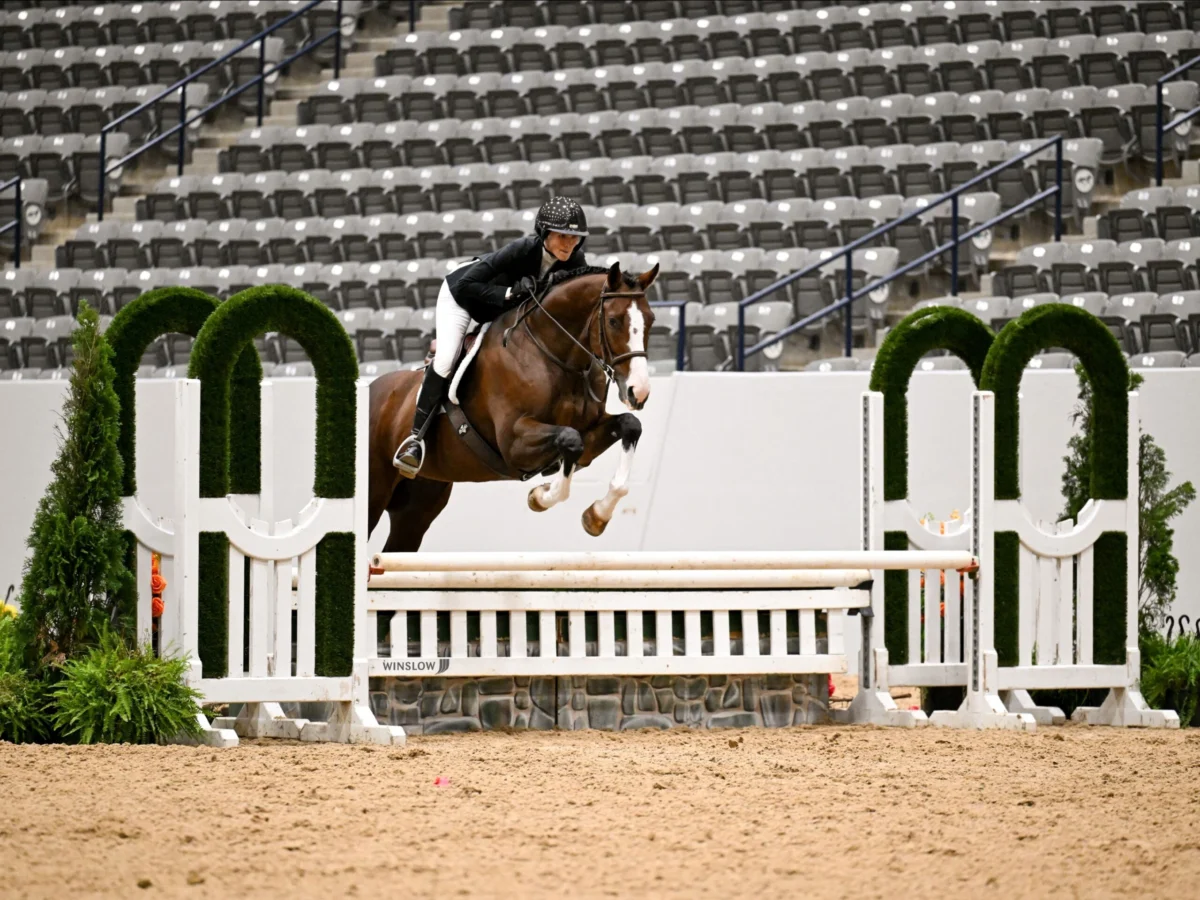
The $23,000 TAKE2 Hunter and Jumper Finals concluded at the Kentucky Horse Park in Lexington this past Sunday, marking a historic milestone for the organization. A record-breaking field of 48 retired Thoroughbred racehorses, representing 14 states across the U.S., gathered to compete in one of the most prestigious events dedicated exclusively to the breed. The event, held during the Split Rock Kentucky National Horse Show, served as a powerful testament to the versatility of the Thoroughbred once their racing careers conclude. When the dust settled, two standout pairs emerged victorious: Nikki Fry’s "Gogo" claimed the TAKE2 Hunter Championship, while Amanda Prescott and her veteran partner "Hollywood" successfully defended their title to win the TAKE2 Thoroughbred Jumper Championship.
A National Gathering of Thoroughbred Advocates
The sheer geographic diversity of the participants underscored the growing national interest in second-career Thoroughbreds. Riders and owners traveled from as far as Oklahoma, Texas, and Louisiana, alongside competitors from Massachusetts, New York, Pennsylvania, Michigan, Florida, and South Carolina.
Andy Belfiore, Executive Director of the TAKE2 Thoroughbred League, highlighted the emotional and professional significance of the turnout. "The support for the Thoroughbred is truly inspiring; we all come together in appreciation of these amazing horses," Belfiore remarked. This gathering serves as more than a competition; it is a vital platform for the equestrian industry to witness the transition of horses from the track to the show ring. By providing a structured environment with substantial prize money and recognition, TAKE2 is effectively debunking outdated myths about the trainability and temperament of the breed.
The Rise of Gogo: From Keeneland Weanling to Hunter Champion
The story of Gogo, known in the Thoroughbred registry as "Go Code," is emblematic of the successful re-homing pathways that TAKE2 facilitates. Purchased by Calumet Farm as a weanling for $55,000 at the 2020 Keeneland November Sale, the gelding showed promise early but failed to find his stride on the racetrack. Following a series of uninspiring workouts at Saratoga and Payson Park, his connections made the proactive decision to retire him before he faced the rigors of competitive racing.
"He had trained but had never showed an inclination to go fast," noted owner Nikki Fry. "I really respect the trainers who see early that the racetrack is not the horse’s destiny."
Gogo joined the TAKE2 League in June, entering the finals via a wild-card berth after a string of consistent performances. Despite his inexperience at the 3-foot height, having only moved up to that division the month prior, he delivered a flawless performance in the Alltech Arena. For Fry, who has over 50 years of experience in the saddle, the victory was a validation of her belief in the breed. Having struggled with depth perception issues that have temporarily sidelined her from riding, she credited her support team—including Bella Canzano, who piloted Gogo to victory—for the win. Fry’s experience underscores the "Team Gogo" ethos, a network of flat-work specialists, trainers, and riders who ensure these horses receive a comprehensive education beyond the track.
Hollywood’s Repeat Performance: Consistency in the Jumper Ring
In the jumper division, the narrative was defined by the seasoned consistency of Hollywood (registered as Document). The 15-year-old gelding has been a cornerstone of the TAKE2 circuit since 2021. After finishing as reserve champion in 2023, he secured the championship title last year and successfully defended it this weekend.
For owner-rider Amanda Prescott, this year’s win felt markedly different from the previous high-stakes victories. "I felt more pressure last year," Prescott admitted. "I had been second the first year, had a single time fault the second year, and really wanted to win last year. This year was about having fun, visiting with friends and family, and enjoying the weekend."
Prescott’s journey with Hollywood began in 2016 when she identified the Illinois-bred gelding on the CANTER (Communication Alliance to Network Thoroughbred Ex-Racehorses) website. With only two wins in 32 starts during his racing career, he was a candidate for a second career that few would have predicted would lead to national championship status. Prescott, who balances her equestrian pursuits with a demanding career as the Senior Director of Homologation for the autonomous vehicle firm Zoox, exemplifies the demographic of amateur riders who fuel the Thoroughbred aftercare movement. Her commitment to competing in the 1.10m amateur division ensures that Hollywood remains a prominent figure in the sport for the foreseeable future.
Statistical Breakdown and Financial Recognition
The success of the weekend was bolstered by a prize purse of $23,000, distributed to incentivize top-tier participation across both junior and amateur categories. Beyond the championship honors, the event prioritized the development of young riders and the inclusion of amateur enthusiasts:
- Top Amateur (Jumper): Amanda Prescott received an additional $1,000 bonus for her performance.
- Top Junior (Jumper): 16-year-old Samuelle Leerkamp, riding Malacrianza, earned $500 for her third-place finish.
- Leading Amateur (Hunter): Grace Bernhardt placed third aboard Tuxedo, securing top amateur honors.
- Leading Junior (Hunter): 15-year-old Aidan Gass, who finished 12th on Quiet Prospector, was recognized as the division’s leading junior and the TAKE2 Junior Rider champion for the season.
The Broader Impact of Thoroughbred Aftercare
The success of the TAKE2 Hunter and Jumper Finals reflects a broader, positive shift in the equestrian industry. Historically, Thoroughbreds dominated the Olympic and international show jumping scenes, but the rise of imported warmbloods in the late 20th century led to a decline in the breed’s popularity in North American hunter/jumper circles.
Organizations like TAKE2 are actively reversing this trend by emphasizing that the Thoroughbred possesses the same, if not greater, athleticism and heart as their European counterparts. By providing a clear pathway for these horses—who are often younger than 10 when they retire from racing—the industry is reducing the risk of these animals entering the slaughter pipeline or languishing in rescue situations.
The implications for the racing industry are also significant. When Thoroughbred owners and breeders see their retired athletes succeeding in high-profile arenas like the Split Rock Kentucky National, it creates an incentive for more responsible post-track planning. The "second career" narrative is becoming an essential component of the sport’s social license to operate.
Looking Ahead
As the 2026 season concludes, the focus shifts toward maintaining this momentum. The success of the Kentucky National Horse Show, coupled with the rising interest from younger riders like Gass and Leerkamp, suggests that the Thoroughbred’s role in the hunter/jumper world is secure.
For owners like Nikki Fry, the reward is not just the blue ribbon, but the preservation of a legacy. "I’ve been riding for over 50 years and, back when I started, almost everyone rode Thoroughbreds," Fry reflected. "There was no prejudice against them. Some of our greatest Olympic horses have been Thoroughbreds. I’m so glad to see the effort to make people realize that they are overlooking such great horses in our country."
With the finals now in the rearview, trainers and riders across the country have already begun identifying the next cohort of prospects. As long as programs like TAKE2 continue to provide the infrastructure, the Thoroughbred will remain a central figure in the competitive landscape of American equestrian sport. The record turnout at this year’s finals serves as a promise that for these horses, the end of a racing career is merely the beginning of a life of purpose and athletic achievement.
