

A storm of unwanted national attention recently converged on the clandestine, members-only club within the opulent Fontainebleau Las Vegas. This scrutiny was triggered by a substantial $250 million defamation lawsuit filed on April 20 by Kash Patel against The Atlantic magazine. Patel, a prominent figure known for his past roles in government and conservative circles, alleges that the publication fabricated claims asserting that the FBI director consumed alcohol to the point of "obvious intoxication" at the Fontainebleau club and at a separate venue in Washington, D.C. While the lawsuit itself targets the veracity of the reporting, its collateral effect has been to cast a harsh spotlight on the very existence and nature of these exclusive enclaves. In a city meticulously engineered and often funded by public investment, the emergence and proliferation of such hidden sanctuaries for the elite raise a fundamental question: just how many of these ultra-private spaces operate in plain sight, yet remain inaccessible to the vast majority?
The incident at the Fontainebleau, though specific to a legal dispute, serves as a potent microcosm of a broader transformation underway in Las Vegas. The city, long celebrated as an accessible entertainment destination for the masses, is increasingly recalibrating its identity towards an ultra-luxury market. This strategic pivot, driven by a desire to maximize shareholder value and attract a discerning, high-net-worth clientele, is manifesting in various forms, most notably through the quiet expansion of members-only social clubs. These establishments, far removed from the bustling casino floors and public attractions, offer a world of curated experiences, unparalleled privacy, and exclusive networking opportunities to those deemed worthy of entry.
The Genesis of Exclusivity: A Historical Perspective
While the concept of a members-only social club might seem like a contemporary refinement for the Las Vegas Strip, its roots stretch back centuries, tracing a rich lineage from the sophisticated social circles of 17th-century Europe. The true origins are often attributed to London, where the burgeoning coffee houses of the era served as informal meeting points. Over time, these evolved into more formalized, exclusive gentlemen’s clubs, such as the renowned White’s, established in 1693. These early clubs provided a sanctuary for the aristocracy and burgeoning merchant class, offering a space for political discourse, literary discussion, and social camaraderie, often governed by strict codes of conduct and an unspoken understanding of shared status.
Across the Atlantic, the trend gained traction in the United States, beginning in New York City with the founding of the Union Club in 1836. This institution was conceived to cater to the city’s rapidly expanding class of industrialists, financiers, and influential families, providing a discreet environment for business dealings and social gatherings away from public scrutiny. These early American clubs mirrored their British counterparts in their emphasis on exclusivity, often requiring multiple sponsors for membership and upholding stringent dress codes and behavioral norms.
The modern iteration of the "creative" social club, however, owes much to the pioneering vision of Soho House, which first opened its doors in London in 1995. Soho House deliberately moved away from the stuffy, aristocratic model, instead cultivating an environment designed to be a vibrant hub for professionals in media, arts, and creative industries. Its blueprint emphasized networking, cultural programming, and a relaxed yet stylish atmosphere, a model that has proven immensely successful globally. It is this contemporary, sophisticated vision that Las Vegas is now increasingly adopting, tailoring it to lure deep-pocketed travelers and residents seeking experiences beyond the traditional casino resort offerings.
The allure of these social clubs is multifaceted. They appeal to potential members through a carefully orchestrated process of invite-only membership screening, effectively filtering out casual patrons and maintaining a desired social composition. Exorbitant initial fees and substantial annual dues act as a financial barrier, ensuring that only the truly affluent can afford entry. Beyond mere access, members are drawn by exclusive cultural programming, bespoke dining experiences, and the intangible prestige associated with belonging to a private, self-governed entity. These clubs offer a sense of belonging to an elite fraternity, where privacy is paramount and connections are forged among peers.
Las Vegas’s Economic Evolution: A Pivot to Prestige
The emergence of more true social clubs in Las Vegas is not an isolated phenomenon but rather a direct consequence of a deliberate and ongoing economic transformation within the city. For decades, Las Vegas thrived on a volume-driven model, attracting millions of middle and working-class tourists with affordable rooms, buffet deals, and widely accessible entertainment. However, over the past two decades, and particularly accelerated in recent years, the city’s major resort operators have strategically shifted their focus. This pivot aims to cater to a higher-spending demographic, maximizing revenue per guest rather than simply guest volume.
This strategic realignment is driven by several factors: increasing competition from other gaming jurisdictions, the desire for higher profit margins, and the evolving preferences of luxury travelers who prioritize unique, personalized experiences over mass-market attractions. Industry analysts observe a global trend where high-net-worth individuals are increasingly seeking bespoke luxury services, privacy, and curated environments that align with their lifestyle and professional needs. Las Vegas, always adept at reinvention, is responding by developing an ecosystem of exclusive offerings that include ultra-luxury suites, Michelin-starred dining, high-end retail, and, crucially, private social clubs. This move allows resorts to differentiate themselves, foster loyalty among their most valuable customers, and ultimately, enhance shareholder value by commanding premium prices for unparalleled experiences.
Distinguishing True Social Clubs from High-Tier Lounges
It is important to differentiate between the various levels of exclusivity offered in Las Vegas. The city already hosts numerous lounges restricted to high-tier casino loyalty members or guests staying in specific luxury accommodations. These include:
- The Chairman’s Lounge at Bellagio: An opulent retreat for high-rollers and VIPs.
- Executive Suite at Encore: Offering enhanced services and privacy for select guests.
- Reserve at Park MGM: Providing a sophisticated escape for invited patrons.
- Laurel Lounge at Caesars Palace, Paris, and The Linq: Catering to elite members of the Caesars Rewards program.
- Club 66 at Resorts World: A modern, exclusive space for top-tier players.
- Prestige Club at Venetian/Palazzo: Accessible only to guests who book Prestige-level suites, offering dedicated amenities and services.
While these lounges provide an elevated experience and a degree of separation from the general public, they are primarily extensions of the casino’s loyalty programs or accommodation offerings. They typically do not require independent membership fees beyond casino play or room bookings, nor do they often feature the robust cultural programming, governance, or networking focus characteristic of a true social club. The latter are distinct entities, often operating with their own membership structures, events calendars, and a deliberate focus on community building among their members, transcending the transactional relationship often found in casino loyalty programs. Historically, Las Vegas has seen only a handful of establishments that genuinely fit the mold of a full-fledged social club. As the city continues its evolution, the number of these truly exclusive, independently governed clubs is projected to increase significantly.

Spotlight on Las Vegas’s Elite Sanctuaries
Here are the prominent social clubs that have defined or are currently defining the landscape of exclusivity in Las Vegas:
1. Vinyl Room (formerly Foundation Room)
- Location: Mandalay Bay
- Anticipated Cost: $750, $2,500, and $6,000 annual membership tiers
Las Vegas welcomed its inaugural members-only social club in March 1999 with the advent of the Foundation Room. Imported from its successful Los Angeles counterpart by the House of Blues, this pioneering club occupied the top floor of Mandalay Bay, famously advertised as the 63rd floor (though in reality, it resides on the 43rd, a common Vegas myth tied to skipping "unlucky" floor numbers). Operated by the House of Blues, the Foundation Room quickly established itself as a premier destination, boasting a private club, an exquisite dining area, and expansive outdoor patios that offered unparalleled panoramic views of the Strip. Its exclusivity was further underscored by its own private elevator access. Membership was priced at an annual $3,200, supplemented by a $400 donation to the House of Blues Music Forward Foundation, emphasizing both luxury and a philanthropic dimension.
The Foundation Room, which transitioned under Live Nation’s ownership when the entertainment giant acquired the House of Blues brand in 2006, ceased selling private memberships in 2019. This strategic shift aimed to transform it into a "public lounge" to increase foot traffic and broaden its appeal. However, this model did not yield the desired results, leading to the club’s closure in September 2025.
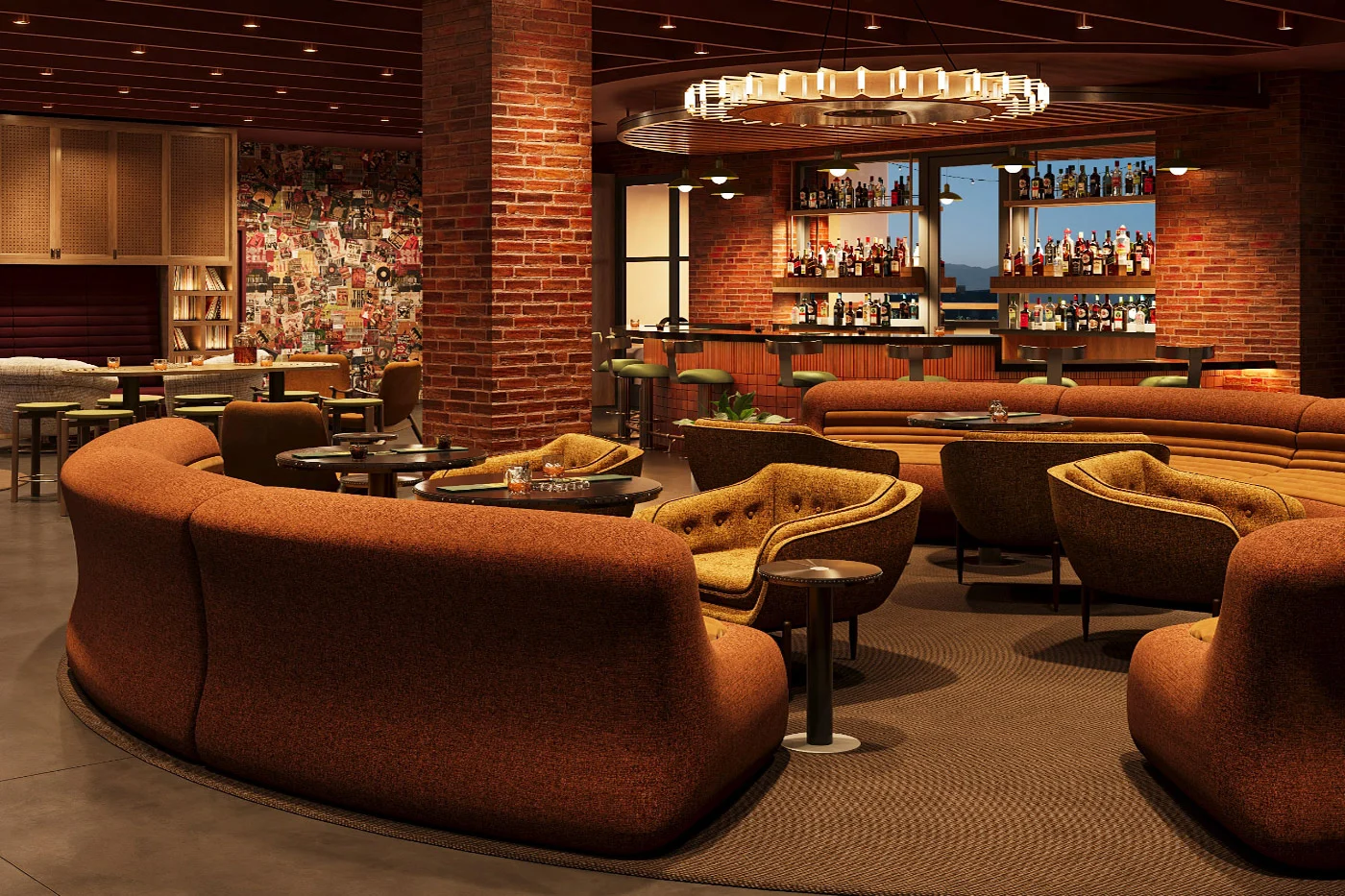
By July 2026, the iconic space is set to be dramatically reborn as the Vinyl Room, a story initially broken by Casino.org‘s own Vital Vegas. Early renderings, briefly leaked on Live Nation’s website before being taken down, depict a sophisticated music lover’s paradise. The design aesthetic features warm hardwood floors, plush mid-century modern seating arrangements, and captivating floor-to-ceiling displays of gold records and music memorabilia, evoking a sense of nostalgic luxury and cultural appreciation. The Vinyl Room is expected to offer a curated calendar of live performances, DJ sets, and listening parties, establishing itself as a nexus for music enthusiasts. Higher-tier memberships are anticipated to include enhanced Live Nation ticket access, preferred seating at the House of Blues venue downstairs, and exclusive invitations to private artist meet-and-greets, creating a seamless, elevated experience for members passionate about music and entertainment.
2. Stirling Club
- Location: Turnberry Place (Off-Strip)
- Fees: $5,000 initiation; $550 monthly dues
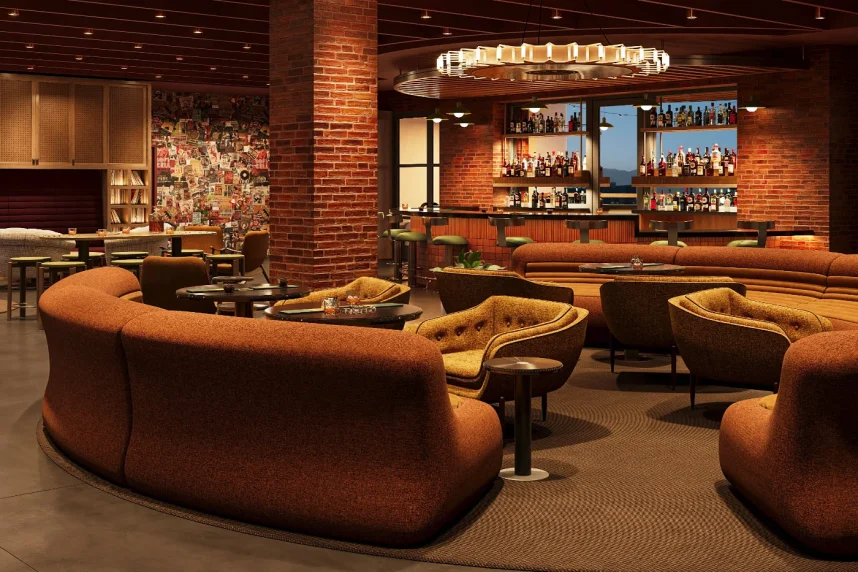
The Stirling Club opened its doors in December 2001, carving out a unique niche as an off-Strip luxury oasis. Located behind the Westgate in the upscale Turnberry Place condo complex, it quickly became a coveted address for Las Vegas’s elite. However, it faced significant challenges, closing its doors in May 2012 amidst the economic downturn and a contentious dispute between the developer and Turnberry Place residents over fee increases. After seven years of dormancy, the Stirling Club experienced a triumphant resurgence, reopening in 2019 under new ownership following an extensive $10 million renovation. This investment revitalized its sprawling 73,000-square-foot facility, reaffirming its status as a premier private destination.
What sets the Stirling Club apart is its massive wellness focus, making it a comprehensive lifestyle destination. It boasts pristine clay tennis courts, a state-of-the-art fitness center equipped with the latest technology, a luxurious spa offering a full range of treatments, and a professional-grade Pilates studio. Beyond its wellness amenities, the club features multiple dining venues, elegant lounges, and versatile event spaces, hosting a vibrant calendar of social and cultural events, from wine tastings to private concerts. Its membership primarily comprises Las Vegas’s wealthiest locals, including entrepreneurs, executives, and entertainers, who value its discretion and comprehensive amenities. However, a significant number of affluent visitors also maintain memberships, drawn by the club’s reputation for unparalleled service and a sophisticated, community-oriented atmosphere that offers a true escape from the Strip’s public energy.
3. Poodle Room
- Location: Fontainebleau
- Fees: Undisclosed (implying extreme exclusivity, "if you have to ask…")
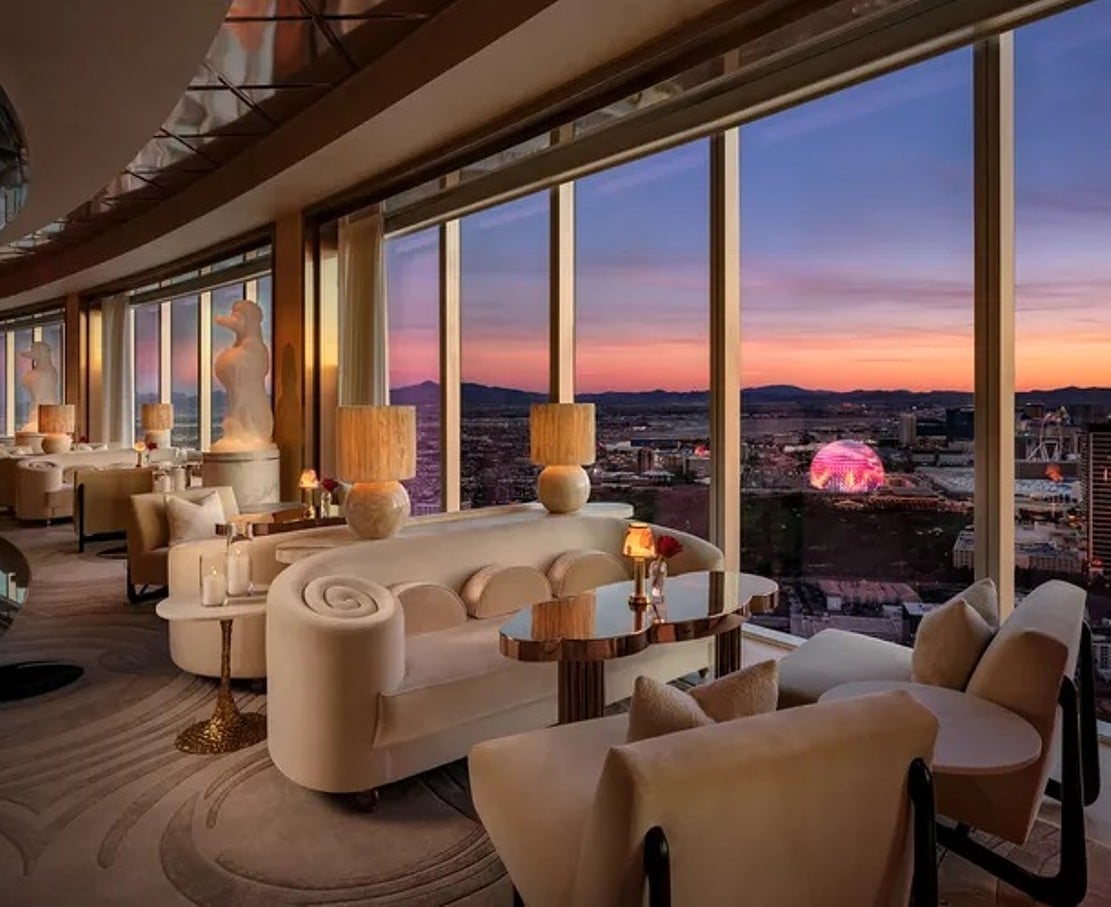
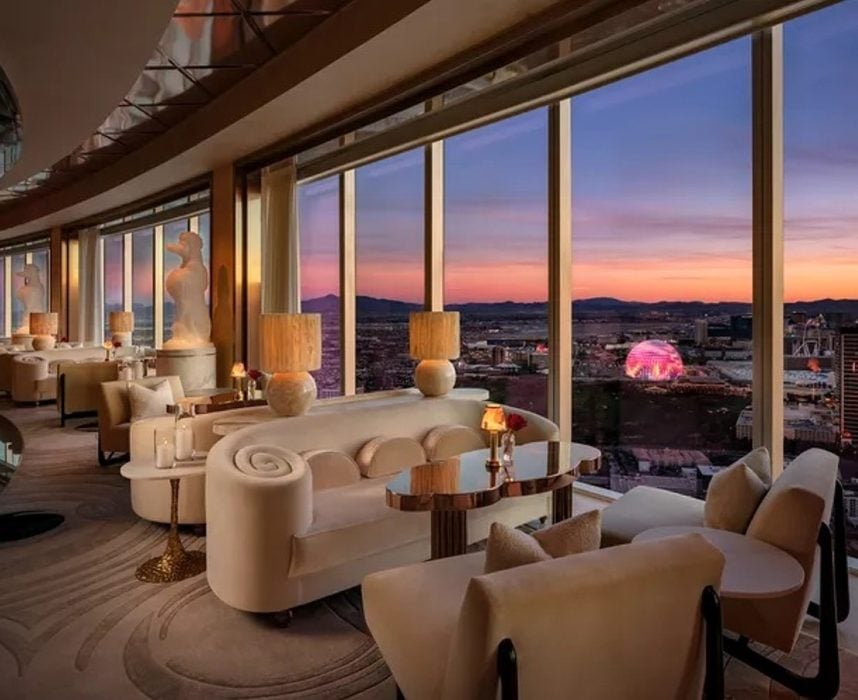
The Poodle Room debuted concurrently with the highly anticipated opening of the Fontainebleau in December 2023. This exclusive retreat is designed to transport members to a bygone era, exuding a sophisticated 1960s aesthetic with meticulously curated decor, luxurious finishes, and a palpable sense of mid-century glamour. Situated on the 67th floor, it offers a private terrace that provides breathtaking 360-degree panoramic views of the glittering Las Vegas Strip and the surrounding valley, creating an unparalleled backdrop for social gatherings.
A defining characteristic of the Poodle Room is its highly guarded "no photos" policy. This stringent rule is strictly enforced to ensure the utmost privacy and discretion for its esteemed members, allowing them to relax and socialize without concerns of their activities being documented or shared publicly. The Poodle Room hosts exclusive culinary experiences, bespoke cocktail programs, and intimate social events tailored to its discerning clientele.
However, its exclusivity is a subject of ongoing debate within luxury circles. While designed as a private members’ club, access is also extended to guests residing in the Fontainebleau’s ultra-luxury Fleur de Lis suites and to select holders of certain American Express Centurion (Black Card) or Platinum cards. This broader access, while limited, potentially dilutes the absolute exclusivity typically associated with true private social clubs. Nevertheless, its elevated setting, sophisticated ambiance, and strict privacy protocols firmly establish it as a premier destination for those seeking a highly refined and discreet experience in Las Vegas, offering a glimpse into the guarded world of the city’s most influential figures, potentially including individuals like FBI director Kash Patel, whose alleged presence brought the club into the national conversation.
4. Zero Bond
- Location: The Wynn
- Fees: $1,000-$50,000 initiation; $2,750-$7,500 annual dues
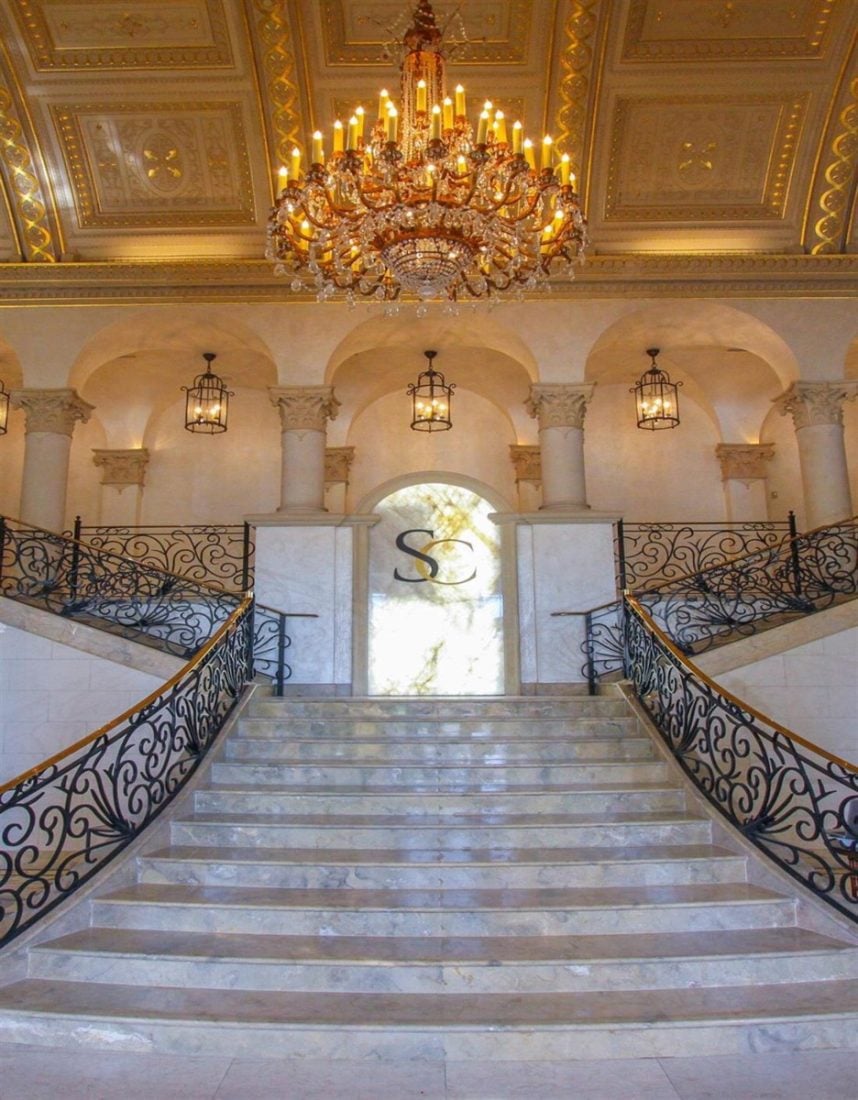
Opening its doors in March 2026, Zero Bond represents a significant partnership between Wynn Resorts, a titan of luxury hospitality, and New York’s renowned exclusive social club, Zero Bond. This collaboration brings a distinct "New York" sensibility and a heightened level of urban sophistication to the Las Vegas Strip. The club is strategically positioned to offer unparalleled views overlooking the meticulously manicured 18th green of the Wynn Golf Club, providing a serene and picturesque setting.
Zero Bond at Wynn is designed as a premier "culture and connection" hub, aiming to foster a vibrant community among its members through a rich tapestry of experiences. At its core is an extraordinary $40 million art collection, featuring pieces from world-renowned artists, which serves as a constant source of inspiration and conversation. The culinary program is a major draw, led by the acclaimed Chef Alfred Portale, known for his innovative American cuisine. Members can anticipate exquisite dining experiences, from casual lunches to elaborate tasting menus, all crafted with the highest culinary standards.
Membership tiers are structured to reflect varying levels of access and privilege, culminating in the "Legacy membership," which commands a staggering $50,000 initiation fee. This tier is positioned as the ultimate status symbol, offering a suite of unparalleled perks designed to cater to the ultra-affluent. These benefits include a complimentary round at the prestigious Wynn Golf Club, a $3,000 private event credit that can be used for exclusive gatherings within the club’s opulent spaces, and a custom Zero Bond cashmere sweater, symbolizing membership in an elite circle.
Zero Bond’s target clientele includes influential figures from business, entertainment, technology, and art, both from Las Vegas and globally. It aims to be a nexus for networking, intellectual discourse, and sophisticated leisure, solidifying Wynn’s position at the apex of luxury hospitality by offering an experience that transcends traditional resort amenities and truly embodies the essence of an exclusive global social club.
The Broader Landscape and Future Implications
The rise of these elite social clubs in Las Vegas signifies more than just a trend; it reflects a fundamental recalibration of the city’s economic and social identity. As Las Vegas continues its pivot away from solely serving the middle and working classes, prioritizing instead the maximization of shareholder value through high-yield luxury experiences, the proliferation of such exclusive enclaves is an almost inevitable outcome.
This shift carries significant implications. Economically, it promises higher revenue per visitor, greater investment in bespoke luxury infrastructure, and potentially a more stable, less volume-dependent tourism market. For high-net-worth individuals, it offers a compelling reason to choose Las Vegas over other luxury destinations, providing a blend of world-class entertainment, discreet privacy, and unparalleled networking opportunities. The demand for such exclusive spaces is fueled by a global cohort of affluent individuals who prioritize privacy, curated experiences, and access to a like-minded community.
However, this evolution also raises questions about the changing character of Las Vegas. Will the city lose some of its democratic appeal, where anyone could experience a taste of luxury? Critics might argue that such exclusivity further widens the chasm between the elite and the general public, diminishing the city’s foundational ethos of accessible escapism. Yet, proponents would counter that this diversification is essential for the city’s long-term economic vitality, ensuring its continued relevance in a competitive global luxury market.
Looking ahead, we can anticipate the continued expansion of this model. Major resort operators and independent luxury brands will likely invest further in developing bespoke social clubs, each with its unique theme, offerings, and target demographic. These future clubs may integrate cutting-edge technology, hyper-personalized services, and even more stringent membership criteria, further refining the art of exclusivity. As the city continues to mature, its identity will increasingly be defined not just by its dazzling public spectacles, but also by the hidden, opulent worlds that lie within, accessible only to a privileged few. The incident at the Fontainebleau, though initially a legal matter, has inadvertently pulled back the curtain on this evolving landscape, inviting a deeper examination of the unseen empire flourishing within the heart of Las Vegas.
