

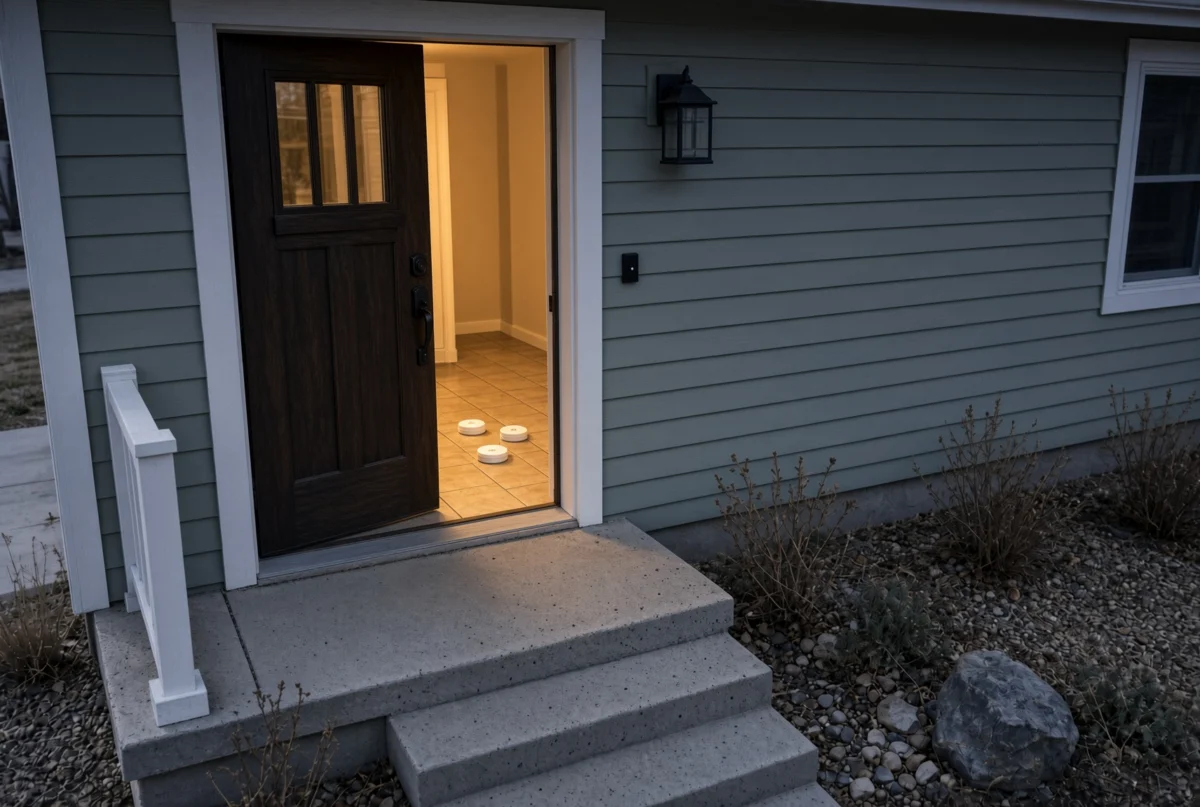
The management of residential rental properties involves a complex intersection of property law, safety compliance, and interpersonal communication. While real estate investment serves as a cornerstone of wealth accumulation for many, the operational realities—ranging from maintenance emergencies to the navigation of landlord-tenant privacy disputes—frequently highlight the fragility of the landlord-tenant dynamic. A recent incident involving an activated smoke alarm in a single-family home underscores the tension between a property owner’s duty to maintain safety and a tenant’s expectation of privacy.
The Chronology of an Emergency Event
On a Saturday afternoon, at approximately 3:35 p.m., the owner of a residential property in San Francisco received a text message from a neighbor regarding a persistent, loud auditory alarm emanating from the rental home. The neighbor noted that the property appeared vacant and expressed concern that the sound—consistent with a smoke or fire detector—had been active throughout the day.
The property owner, acting on the obligation to mitigate potential fire hazards and structural damage, arrived at the scene within minutes. Upon confirming the auditory distress signal from the exterior, the owner attempted to contact the tenants via email to provide notification of the inspection. After receiving no immediate response and facing the potential for an active fire, the landlord utilized their keys to enter the premises.
Upon inspection, the landlord discovered three smoke alarms removed from their mounting positions and placed on the garage floor, with one unit actively sounding. The owner deactivated the alarm, performed a comprehensive walkthrough of the property to ensure no fire or electrical hazard existed, and documented the state of the home via video. A follow-up notification was sent to the tenants, confirming that the property was secure and there was no evidence of a fire.
Legal Framework: Emergency Entry and Safety Protocols
Under California law, the rights of landlords to enter a property are strictly codified. California Civil Code Section 1954 outlines the limited circumstances under which a landlord may enter a rental unit. An "emergency" is explicitly defined as a primary justification for entry without the standard 24-hour written notice. In this context, a persistent fire alarm in an unoccupied home constitutes a reasonable basis for emergency entry, as it suggests either a mechanical malfunction or a genuine fire threat.
Furthermore, California Health and Safety Code 13113.7 mandates that owners of residential rental properties are responsible for the installation, testing, and maintenance of smoke alarms. The discovery of multiple disconnected alarms raises significant compliance concerns. By law, if a device is inoperable, the tenant is required to notify the landlord, who must then ensure the safety equipment is returned to a functional state. The failure to notify the landlord of the alarms’ end-of-life status potentially leaves both parties in violation of local fire safety codes, posing a liability for the owner and a safety risk to the occupants.
Tenant Communication and Expectations
The tenants responded to the landlord’s notification six days later, acknowledging the event but emphasizing a desire for prior text notification before any future entry. While the request for improved communication channels is standard in residential leasing, the delay in response and the lack of acknowledgment regarding the landlord’s effort to prevent a potential catastrophe highlighted a disconnect in the professional relationship.
From a management perspective, this interaction raises questions regarding the balance of responsibilities. While the landlord is legally empowered to enter in an emergency, the tenants’ desire for autonomy and privacy is a common friction point. Industry experts note that clear, pre-negotiated communication protocols—often outlined in a detailed lease agreement—are essential to mitigating these disputes. Effective management typically involves a documented "emergency contact policy," where tenants understand that the owner reserves the right to enter during suspected emergencies, while the owner agrees to provide notice for all non-urgent maintenance.
The Broader Shift Toward Passive Real Estate Investment
This incident reflects a broader trend in the real estate market: the growing preference for passive investment vehicles over hands-on property management. The administrative burden of being a landlord, including the screening of tenants, the maintenance of physical structures, and the management of interpersonal disputes, has led many investors to pivot toward real estate funds and diversified portfolios.
Data from the real estate sector indicates that the rise of platforms such as Fundrise and other private equity real estate vehicles has provided individual investors with exposure to commercial and residential markets without the need for direct management. These funds allow for capital appreciation and dividend-based income while insulating the investor from the "on-call" nature of traditional residential leasing.
For many property owners, the "shelf life" of active management is dictated by the increasing regulatory burden and the psychological toll of managing physical assets. As building codes become more complex—such as the requirements for fire suppression and carbon monoxide monitoring—the cost of compliance in terms of time and effort continues to rise.
Implications for Property Owners and Tenants
The incident serves as a cautionary tale for both landlords and tenants. For landlords, it underscores the necessity of:
- Lease Explicitly: Ensuring that lease agreements clearly define the "emergency entry" clause, providing specific examples of what constitutes an emergency to avoid ambiguity.
- Proactive Maintenance: Establishing a proactive schedule for checking smoke detectors and other life-safety equipment, rather than relying on tenants to initiate the request.
- Digital Documentation: Maintaining a formal, time-stamped log of all communications to ensure that, in the event of a legal dispute, the landlord can prove the necessity and legality of their actions.
For tenants, the primary takeaway is the importance of proactive communication. Failure to report inoperable safety devices, such as smoke alarms, can lead to dangerous situations and, in some jurisdictions, may jeopardize a tenant’s right to legal protections if a fire occurs. The maintenance of a professional, transparent relationship with a landlord is often the most effective way to ensure that a property remains a safe and comfortable living environment.
Analysis of Future Trends
As the rental market continues to professionalize, the move toward third-party management companies is likely to accelerate. These firms act as a buffer between the property owner and the tenant, ensuring that legal protocols—such as proper notice for entry and safety equipment maintenance—are handled by licensed professionals. This trend suggests a potential decline in the "mom-and-pop" landlord model, which has historically dominated the single-family home rental market.
Ultimately, the friction caused by this incident demonstrates that the management of physical real estate is rarely just a financial transaction. It is a service-based industry that requires constant vigilance, legal adherence, and clear communication. Whether through improved technology, such as smart-home sensors that notify owners of alarm activity in real-time, or through the transition to more passive investment structures, the industry is clearly moving toward a model that prioritizes efficiency and risk mitigation over direct, human-to-human property management.
The resolution of the dispute—incorporating new clauses into the lease agreement to ensure smoke alarm functionality and clarifying communication expectations—serves as a standard procedure for evolving property management. As the investor noted, the value of peace of mind often outweighs the marginal gains of managing individual properties, a sentiment that is increasingly shared by individual investors across the country.
