
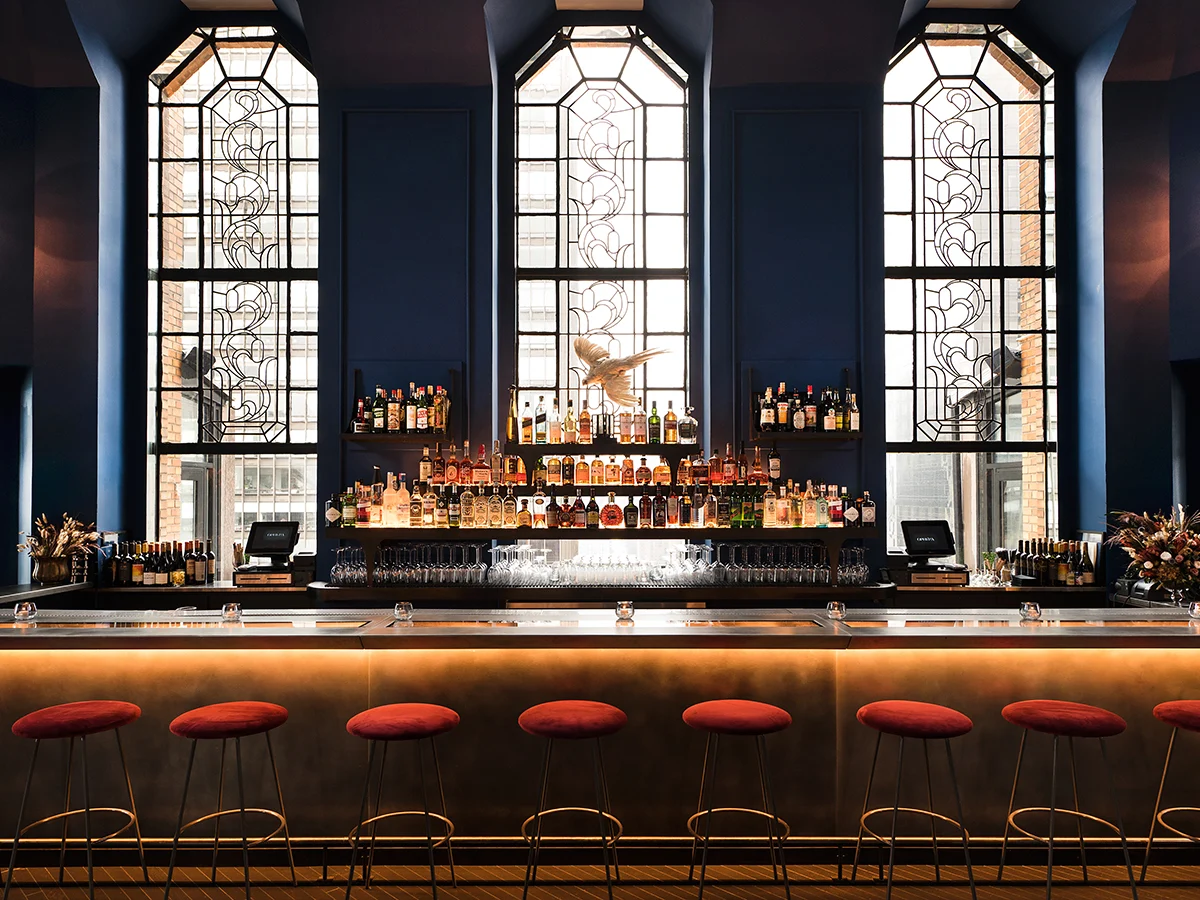
New York City has long held a reputation for its ability to guard its most coveted experiences, a legacy deeply rooted in its history. During the Prohibition era, the city was estimated to host over 30,000 clandestine drinking establishments, a figure that more than doubled the number of legal bars in operation prior to the Volstead Act. This submerged culture of revelry not only redefined New York’s nightlife but also significantly shaped the very foundations of American cocktail artistry. While the thrill of discovering a hidden bar today may not carry the same legal ramifications as it did in the Roaring Twenties, the profound pleasure of the hunt and the subsequent reward remain undiminished. The city’s most exceptional speakeasies now operate with a level of craftsmanship and deliberate intention that profoundly justifies the effort required to find them. Here are twelve such establishments that are unequivocally worth the pursuit.
A Legacy of Secrecy and Sophistication
The allure of the speakeasy lies in its inherent exclusivity and the promise of an experience beyond the ordinary. In a metropolis as vast and diverse as New York, these hidden gems offer a curated escape, a sanctuary where meticulous attention to detail, from the clandestine entrance to the perfectly crafted cocktail, creates an unforgettable ambiance. The modern speakeasy movement, while drawing inspiration from its Prohibition-era predecessors, has evolved into a sophisticated art form, blending historical reverence with contemporary innovation.
Pillars of the Modern Speakeasy Era
PDT (Please Don’t Tell), East Village
Widely recognized as the catalyst for the contemporary speakeasy revival in New York, and arguably across America, PDT first opened its doors in 2007. Its entrance, a vintage red phone booth nestled within the unassuming Crif Dogs on St. Mark’s Place, immediately set the tone for the clandestine experience. The bar’s commitment to excellence was recognized with a James Beard Award for Outstanding Bar Program in 2012, and its influence on cocktail bars nationwide is immeasurable. Operating with a capacity of fewer than forty patrons, reservations are a necessity, opening seven days in advance on Resy and typically vanishing within minutes. While occasional walk-ins might secure a spot, the intimate setting prioritizes a refined experience. Owner Jeff Bell continues to oversee a cocktail program renowned for its technical precision and inventive spirit, making the simple act of dialing a phone a gateway to an exceptional evening.
Attaboy, Lower East Side
Located on Eldridge Street, Attaboy presents a stark, sign-less facade and a menu-less philosophy. Its premise is elegantly simple yet profoundly demanding: the bartender will craft the finest cocktail you’ve ever tasted, solely based on your stated preferences. This concept was inherited from the legendary Milk & Honey, which previously occupied the same space. The establishment’s lineage is evident, as Attaboy secured the 37th position on North America’s 50 Best Bars 2026 list. Limited reservations are available via OpenTable, but the primary mode of entry is by walk-in, commencing at 5 PM. Patrons are encouraged to arrive with a clear understanding of their preferred spirits and flavor profiles, trusting in the expertise of the bar staff to deliver.
Angel’s Share, West Village
The original Angel’s Share, established in the East Village in 1993, was instrumental in pioneering Japanese-influenced craft cocktailing in New York. The current iteration, now situated at 45 Grove Street in the West Village, upholds this esteemed legacy with unwavering dedication and precision. Ranked 31st on North America’s 50 Best Bars 2026, it remains a rare establishment where the physical space is intentionally designed to enhance the cocktail experience rather than merely accommodate a crowd. Walk-ins are the only accepted form of entry, and the policy of limiting parties to four guests is enforced with quiet, consistent resolve. The cocktails, characterized by their masterful use of Japanese spirits, immaculate balance, and artistic presentation, are consistently lauded as among the finest in the city.
Echoes of Prohibition
The Back Room, Lower East Side
A remarkable survivor, The Back Room is one of only two establishments in New York City that operated as a speakeasy during Prohibition and continues to do so today. The entrance at 102 Norfolk Street is discreetly marked by a gate proclaiming "Lower East Side Toy Company." Navigating through the gate, down an alley, and across a courtyard leads to the clandestine doorway. Inside, the ambiance meticulously recreates a 1920s ballroom, complete with plush velvet booths and shimmering crystal chandeliers. Cocktails are traditionally served in teacups and paper bags, a nod to the historical practice of concealing alcohol. This bar has a storied past, having once hosted clandestine meetings for figures like Meyer Lansky and Bugsy Siegel, and more recently, luminaries such as Paul McCartney and Robert Plant. Its historical significance alone secures its place on any discerning list of speakeasies.
Raines Law Room, Chelsea and Midtown
With two distinct locations – the original in Chelsea and a newer outpost at The William hotel in Midtown – Raines Law Room offers a consistent experience of refined discretion. Both venues feature dark Victorian interiors, opulent velvet drapes, and intimate seating arrangements in private nooks. The cocktail menu is thoughtfully curated for extended, unhurried enjoyment. Reservations are both available and highly recommended, as the establishment is designed to be a destination in itself, rather than a casual stop. The bar program draws heavily from classic American and European cocktail traditions, executed with a rigor that transforms the menu into a document of carefully considered artistry.
Keys & Heels, Upper East Side
The Upper East Side’s best-kept secret announces itself as a key-cutting and shoe-repair shop, a disguise perfectly suited for the neighborhood’s particular brand of discreet sophistication. Behind this unassuming facade lies an unapologetically chic bar, characterized by its intimate setting, elegant design, and an atmosphere that caters to a discerning clientele. The dress code encourages guests to "keep it sharp," a standard reflected in the meticulously maintained ambiance of the room. The cocktail program is both inventive and understated, avoiding unnecessary theatricality. As one of the newer additions to this list, Keys & Heels has rapidly become an essential destination for those seeking a sophisticated night out.
Little Branch, West Village
Joe McGuirk’s subterranean bar on Seventh Avenue South has been a bastion of disciplined and quietly excellent cocktail craftsmanship since 2005. With no visible signage, no website, and no reservations, the experience begins with a descent down a staircase from street level into a small, warmly illuminated space. Here, bartenders meticulously prepare drinks with the same unwavering seriousness and lack of shortcuts that defined cocktail-making in the 1920s. The basement setting, coupled with a jazz-adjacent soundtrack, creates a genuinely transported atmosphere, marking Little Branch as one of the establishments that defined New York’s cocktail renaissance.
Bathtub Gin, Chelsea
The entrance to Bathtub Gin presents as the Stone Street Coffee Company on Ninth Avenue, and the seamless transition from an espresso counter to the bar’s interior remains one of the city’s most artfully concealed pivots. Inside, a distinctive brass bathtub anchors the room, complemented by exposed brick, flickering candlelight, and a cocktail menu deeply rooted in Prohibition-era spirits and techniques. The ambiance is intimate and creative, with a rear room frequently hosting live music and DJ sets, transforming a simple drink into a complete evening’s entertainment.
LouLou, Midtown
A vintage Coca-Cola vending machine serves as the entrance to LouLou. A subtle wave of the hand over a sensor causes the machine to open, revealing a bar that emanates the energy of a well-guarded secret. Plush interiors, a thoughtfully curated cocktail list, and a clientele that discovered the venue through word-of-mouth contribute to its exclusive charm. Situated in Midtown, where the challenge of establishing a hidden bar is particularly acute, LouLou masterfully achieves its objective.
Bar Goto, Lower East Side
Kenta Goto’s bar on Eldridge Street offers one of the city’s most personal and distinctive cocktail experiences. Influenced by Japanese aesthetics, the bar features seasonal ingredients and a level of hospitality that reflects Goto’s precise and warm upbringing. While not a traditional speakeasy in its physical concealment, the journey of finding and settling into Bar Goto feels like a unique discovery each time. The signature sakura martini, a delicate blend of elderflower, sake, and lychee, is a testament to the bar’s enduring appeal.
Employees Only, West Village
Behind the guise of a psychic’s storefront on Hudson Street, Employees Only has been a fixture of New York’s bar scene since 2004. It stands as one of the city’s most enduring high-volume cocktail bars, remarkably managing to maintain quality amidst its popularity. The Prohibition-era interior is rendered with warmth and authenticity rather than affectation. Its cocktail program, built upon classic techniques and restraint, earned it the prestigious "Best International Cocktail Bar" designation at Tales of the Cocktail. The kitchen remains open until 3:30 AM, offering a welcome respite for late-night revelers.
Ophelia, Midtown East
Perched on the 26th floor of the Beekman Tower, Ophelia offers a unique vertical speakeasy experience. Its discreet entrance and intimate space, coupled with a 1930s supper-club interior, reward those who manage to find it. The cocktail program is ambitious and genuinely inventive, while the views of the East River are among Midtown’s most understated and underrated. The room exudes an earned glamour, a testament to its carefully cultivated atmosphere.
Navigating the Nuances of Speakeasy Etiquette
The enduring appeal of the speakeasy, even in its contemporary manifestation, is underpinned by an implicit social contract. Guests are expected to maintain a respectful volume, ensuring their conversations do not disrupt the intimate atmosphere of the room. It is also advisable to arrive with some idea of your drink preferences, particularly at establishments like Attaboy and Angel’s Share, where the bartenders’ expertise is a central part of the experience. Reservations, when available, are crucial; booking in advance and honoring those commitments is paramount to the smooth operation of these venues. Furthermore, dressing appropriately for the occasion enhances the overall experience and demonstrates respect for the establishment and its patrons.
Frequently Asked Questions
What is the most famous speakeasy in New York City?
PDT (Please Don’t Tell) is widely credited with launching the modern speakeasy movement in New York and remains one of the most recognized globally. The Back Room, however, holds the strongest claim to historical authenticity, having operated in some capacity since the Prohibition era.
Do you need a reservation at NYC speakeasies?
Reservations vary by establishment. PDT requires bookings through Resy and fills rapidly, making reservations highly recommended. Attaboy offers limited OpenTable reservations but operates primarily as a walk-in venue. Angel’s Share and Little Branch are strictly walk-in only. Raines Law Room and Keys & Heels accept reservations, and securing one generally enhances the experience.
What should I wear to a speakeasy in NYC?
A smart casual dress code is the general expectation at most of these establishments. Keys & Heels explicitly requests that guests "keep it sharp." LouLou and Raines Law Room also reward patrons who dress appropriately for the sophisticated ambiance. While jeans and trainers are unlikely to result in denial of entry, a well-chosen outfit aligns with the spirit of the experience.
Are NYC speakeasies expensive?
Cocktails at the speakeasies listed typically range from $20 to $35, which is consistent with the broader premium cocktail market in Manhattan. The Back Room and Little Branch tend to be slightly more affordable. Attaboy’s bespoke cocktails are priced individually, and patrons should expect to be at the higher end of this range.
For those seeking an even more elevated and exclusive experience, including bespoke itineraries, private aviation, and VIP access to over 500 properties across 120+ countries, the Haute Black membership offers unparalleled benefits. Membership can be obtained by contacting [email protected]
