

Three of the nation’s leading sports betting and fantasy sports operators – DraftKings, FanDuel, and Fanatics – have collectively channeled a substantial $41 million into Win for America, a powerful super PAC designed to influence political races and policy debates at the state level. This significant financial commitment, detailed in recently filed Federal Election Commission (FEC) reports, underscores a highly coordinated, multi-pronged strategy by the industry to either expand into lucrative untapped markets or safeguard existing operations from adverse legislative changes. Win for America, in turn, has strategically distributed these funds to two affiliated super PACs, one aligned with Republican interests and another with Democratic interests, demonstrating a sophisticated, bipartisan approach to political engagement.
According to the FEC filings, FanDuel emerged as the largest contributor, providing $19.5 million. DraftKings followed closely with a $17.5 million investment, while Fanatics contributed $4 million. These figures highlight the scale of resources major operators are willing to deploy to shape the regulatory landscape in their favor. The financial flow from these industry titans into Win for America, and subsequently into its partisan-aligned affiliates, paints a clear picture of a sector determined to exert considerable influence over the future of sports betting across the United States.
The Strategic Deployment of Funds: Win for America’s Dual Approach
Quarterly filings reveal that Win for America has meticulously routed the majority of its amassed funds into two distinct, yet coordinated, political action committees: the American Conservative Fund and the American Future. This bifurcated funding strategy allows the industry to engage with a broader spectrum of political actors and tailor messaging to resonate with specific ideological leanings, thereby maximizing its potential impact on state-level legislative outcomes.
The Republican-Aligned American Conservative Fund: Targeting Expansion and Ground Game
The American Conservative Fund has emerged as the primary vehicle for direct political spending, with FEC filings indicating multi-million-dollar campaign activities concentrated in pivotal states. Its focus appears to be a robust combination of direct political contributions, extensive voter outreach, and sophisticated campaign execution, particularly in states where sports betting legalization is still pending or where existing regulations are under review.
States prominently targeted by the American Conservative Fund include:
- Georgia: A significant portion of the PAC’s resources has been directed here, reflecting the state’s status as a large, untapped market for sports betting operators.
- Texas: Similar to Georgia, Texas represents an immense potential market, and the PAC’s activity here signals a renewed, aggressive push for legalization.
- Pennsylvania: Unlike the expansion efforts in Georgia and Texas, the activity in Pennsylvania is primarily defensive, aimed at influencing debates around potential tax increases on sportsbook operators.
- Alabama: Another state without legalized sports betting, where the PAC has engaged in targeted election advertising, signaling a burgeoning effort to open this market.
Beyond direct funding, the American Conservative Fund has invested heavily in the infrastructure of political campaigning. Its expenditures include substantial payments to firms specializing in:

- Campaign Management and Strategy: Ensuring a professional and targeted approach to influencing elections.
- Voter Outreach and Mobilization: Engaging directly with potential voters through various channels, including direct mail, digital advertising, and grassroots efforts.
- Polling and Data Analytics: Gaining insights into voter sentiment and tailoring messages for maximum effectiveness.
- Legal and Compliance Services: Navigating the complex regulatory landscape of political financing.
The Democratic-Aligned American Future: Focus on Advertising and Infrastructure
In contrast to the American Conservative Fund’s ground-game focus, the American Future PAC, which has received approximately $7.25 million from Win for America, has adopted a different strategic emphasis. Its spending patterns indicate a concentration on broader advertising campaigns and the development of robust campaign infrastructure, often with a focus on voter-facing outreach and digital engagement.
Key expenditures by American Future include:
- Digital and Broadcast Advertising: Significant investments in media buys to shape public opinion and support specific policy positions or candidates.
- Campaign Infrastructure Development: Funding for technological platforms, data management, and operational support necessary for modern political campaigns.
- Research and Strategy Consulting: Payments to firms like FM3 Research and Jones Mandel underscore a commitment to data-driven decision-making and sophisticated political strategy.
- Compliance and Legal Services: Ensuring adherence to election laws while executing complex campaigns.
Notably, FEC filings show no direct contributions from American Future to state political committees or individual candidates. However, various reports suggest a more indirect, yet impactful, role. For instance, it has reportedly spent over $1 million, potentially up to $2.5 million, backing candidates in Illinois state legislative primaries, particularly in the strategically important Chicago-area races. This indirect approach allows the PAC to influence outcomes without the direct contribution trail, often through independent expenditures supporting or opposing candidates based on their stances on issues relevant to the sports betting industry.
Why Texas, Georgia, and Other States Matter: The Gambling Expansion Push
The intense political spending aligns with ongoing, high-stakes political pressure and policy debates surrounding sports betting across the nation. The industry’s strategy is bifurcated: aggressively pursuing expansion into lucrative untapped markets while defensively protecting existing operations from adverse legislative actions.
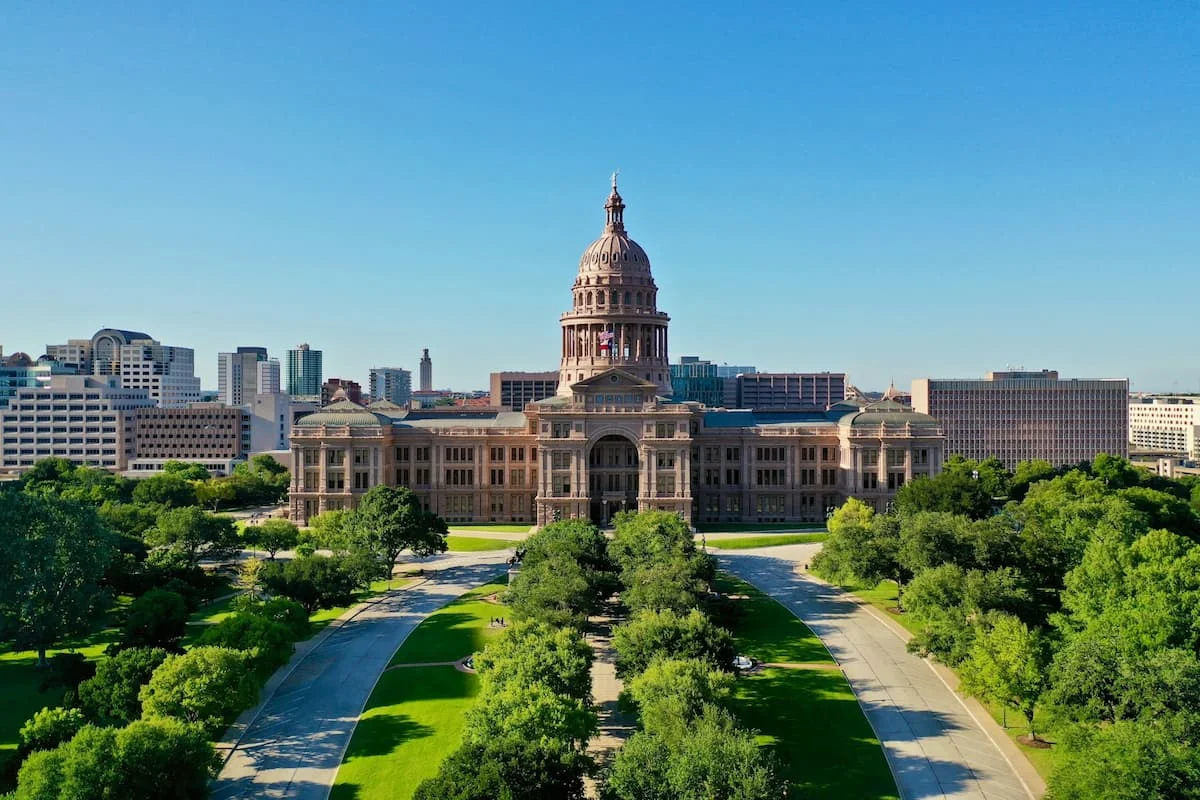
Texas: A Colossal Untapped Market: Texas stands as arguably the largest prize in the ongoing push for gambling expansion. With its immense population, it represents a massive untapped market for both sports betting and casino operators. Companies like Las Vegas Sands have historically poured millions into state efforts over the past several years to legalize casino gambling, often as a precursor or parallel effort to sports betting. Despite significant spending in recent primaries, Sands-backed candidates suffered setbacks in key races, indicating strong entrenched opposition, particularly from figures like Lt. Gov. Dan Patrick, who has long opposed gambling expansion. However, Sands has publicly committed to continuing its efforts in Texas. The American Conservative Fund’s activity signals that sports betting operators are now significantly ramping up their own political spending, recognizing the state’s potential to generate hundreds of millions, if not billions, in annual revenue. The sheer size of the Texas market, coupled with its conservative political leanings, makes it a uniquely challenging and expensive battleground for the industry.
Georgia: Persistent Legislative Efforts: Georgia, the eighth-most populous state, offers another large, untapped market. Unlike Texas, there has been a more consistent, albeit unsuccessful, legislative push to legalize sports betting. Bills have been introduced in every legislative session since 2018, reflecting sustained interest from a bipartisan group of lawmakers and significant lobbying efforts. The closest Georgia came to legalization was in 2024 when a Senate-passed bill stalled in the House, often due to disagreements over whether to require a constitutional amendment or if it could be passed via statutory change. In late 2025, a Senate tourism committee recommended legalization, citing the need to raise funds and maintain competitiveness with neighboring states that have already embraced sports betting. The consistent legislative activity and near-misses underscore Georgia’s strategic importance and the industry’s continued investment in swaying public and political opinion.
Alabama: A New Front in the South: Another state without legalized sports betting that has drawn the attention of these PACs is Alabama. Local reporting indicates that the American Conservative Fund has spent approximately $80,000 on election advertising in the state. This spending is complemented by the activity of the state-registered SV&B PAC, which, according to records from the Alabama Secretary of State, has donated $718,500 to multiple candidates since January 2025. Significantly, the SV&B PAC has received over $1.25 million from the Sports Betting Alliance, a trade group representing DraftKings, FanDuel, and Fanatics, among other operators. This coordinated effort highlights a strategic move to establish a foothold and build support for legalization in another potentially lucrative Southern market.

Defensive Plays: Protecting Existing Markets from Taxation and Regulation
While much of the spending targets expansion, a significant portion is dedicated to a defensive strategy, aimed at preventing unfavorable legislative outcomes in states where sports betting is already legal and thriving. The industry faces constant pressure from state legislatures seeking to increase tax revenues from gambling, particularly as states look for new funding sources.
Pennsylvania: Battling Proposed Tax Hikes: In Pennsylvania, state lawmakers are actively exploring potential tax increases on sportsbook operators. The current tax rate of 36% on gross gaming revenue is already among the highest in the nation, with only New York (51%), New Hampshire (51%), Rhode Island (51%), Oregon (51%), and Illinois (up to 40% for larger operators) imposing a greater burden. Any further increase would significantly impact the profitability of operators like DraftKings and FanDuel, making it a critical state for defensive lobbying efforts. The American Conservative Fund’s activity here is a direct response to these legislative discussions, aimed at preserving a favorable tax environment.
Illinois: A Case Study in Escalating Tax Burdens: Illinois serves as a stark example of the challenges operators face in established markets. The state has implemented multiple tax hikes in recent years, demonstrating a willingness by lawmakers to increase the industry’s financial obligations. In 2024, Illinois replaced its flat 15% tax on gaming revenue with a progressive, tiered structure, which saw rates for major sportsbooks like FanDuel and DraftKings jump to a hefty 40%. The burden did not stop there. In 2025, the state introduced an additional per-bet sportsbook tax of $0.25 on the first 20 million wagers and $0.50 thereafter. Further compounding the financial strain, Chicago imposed its own 10.25% city tax on gaming revenue, effective January 2026, in addition to the state levy. This cumulative tax burden makes Illinois one of the most expensive states for sports betting operators, and the American Future PAC’s indirect support for candidates in Illinois primaries suggests an attempt to influence future legislative decisions and prevent further increases.
Ohio: Regulatory Pushback and the Threat of a Ban: Ohio, a state that legalized sports betting relatively recently, has also become a battleground for operators. Governor Mike DeWine has been a vocal critic of the rapid growth of sports betting and its societal impacts. In 2025, he attempted to double the tax rate on gaming revenue, following a previous hike in 2023, though lawmakers ultimately rejected the plan. More dramatically, recent legislative efforts have seen lawmakers introduce legislation to potentially eliminate online sports betting entirely, a move that would be catastrophic for the industry in the state. The PACs’ involvement in Ohio is undoubtedly a direct response to these aggressive regulatory challenges, aiming to protect the significant investments made by operators in the state’s market.
Broader Implications and Future Outlook
The $41 million investment by DraftKings, FanDuel, and Fanatics into Win for America represents a substantial escalation of the sports betting industry’s political engagement. This level of spending reflects the high stakes involved: the potential for billions in revenue from new markets and the need to protect existing profits from onerous taxation and regulation.
The use of super PACs, which can raise and spend unlimited amounts of money to overtly advocate for or against political candidates, provided they do not coordinate directly with campaigns, offers a powerful tool for industries seeking to shape the political landscape. The dual-PAC strategy (Republican-aligned and Democratic-aligned) further illustrates the industry’s sophisticated understanding of the American political system, enabling it to build alliances across the aisle and tailor its influence efforts effectively.
This intensified lobbying and campaign spending will undoubtedly have profound implications for the future of sports betting in the United States. It signals a sustained, long-term commitment by major operators to invest heavily in political processes to secure favorable operating environments. As more states consider legalization or review existing frameworks, the influence of these well-funded PACs is likely to grow, shaping not only legislative outcomes but also the broader public discourse around regulated gambling. The success or failure of these efforts in states like Texas, Georgia, Illinois, Pennsylvania, Ohio, and Alabama will serve as critical indicators of the industry’s evolving power and its ability to navigate complex political terrains in the coming years.
