

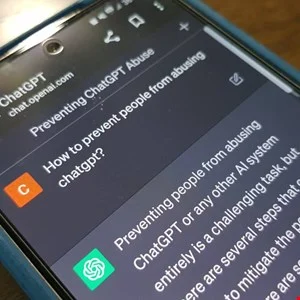
The landscape of digital deception is shifting as generative artificial intelligence platforms transition from experimental novelties to indispensable professional and personal tools. According to the Q2 2026 Brand Phishing Report released by cybersecurity leader Check Point Research, OpenAI has officially entered the top ten list of brands most frequently impersonated by cybercriminals. This milestone marks the first time an AI-native company has appeared alongside legacy tech giants like Microsoft and Google, signaling a strategic pivot in how threat actors select their targets. As millions of users now rely on AI subscriptions for their daily workflows, the credentials and financial data associated with these accounts have become high-value assets for international scamming syndicates.
The emergence of OpenAI in the rankings is primarily driven by the massive adoption of ChatGPT Plus, the platform’s premium subscription tier. Check Point researchers highlighted a specific campaign observed in June 2026, where victims received a sophisticated email claiming their "ChatGPT Plus payment failed." The malicious communication was meticulously crafted to mirror OpenAI’s official branding, using the company’s distinct typography, logos, and tone of voice. Recipients were urged to click a link to update their billing information to avoid service interruption. This link directed users to a fraudulent landing page designed to harvest full credit card details, including CVV codes and billing addresses.
The Evolution of Brand Phishing in 2026
Brand phishing remains one of the most effective tools in the cybercriminal arsenal because it exploits the inherent trust users place in established companies. By replicating the visual identity and communication style of a reputable brand, attackers bypass the initial skepticism of their targets. In the second quarter of 2026, the tech industry remained the most targeted sector, followed closely by social media platforms and financial institutions.
The inclusion of OpenAI in this list is described by industry analysts as a "bellwether event." For years, phishing attacks were dominated by banks and shipping companies. However, the shift toward "Software as a Service" (SaaS) and AI utility models has created new opportunities for theft. As individuals and enterprises integrate AI into their financial ecosystems—linking corporate credit cards and sensitive proprietary data to these platforms—the incentive for hackers to compromise these accounts grows exponentially.
Microsoft and LinkedIn: The Perennial Leaders
While OpenAI’s entry into the top ten is the most notable trend of the quarter, Microsoft continues to hold the top spot as the world’s most impersonated brand. According to the Q2 report, Microsoft was involved in 23% of all global brand phishing attempts. This dominance is attributed to the ubiquity of Microsoft 365 in the corporate world. A single set of compromised Microsoft credentials can grant an attacker access to a treasure trove of data, including Outlook emails, SharePoint documents, and Teams conversations.
LinkedIn, which is owned by Microsoft, secured the second position on the list. The platform is a frequent target for "spear-phishing" and social engineering, where attackers pose as recruiters or business connections to deliver malware or steal login credentials. Together, Microsoft and LinkedIn account for nearly a third of all brand-related phishing activity, underscoring the immense value threat actors place on professional identity and corporate access.
Rounding out the top five were Google, Apple, and Amazon. These brands are targeted for their massive consumer reach. Google and Apple accounts are often linked to mobile device backups and digital wallets, while Amazon impersonations typically revolve around fake order confirmations and shipping delays, particularly during high-volume shopping periods.
Chronology of Phishing Tactics in Q2 2026
The second quarter of 2026 saw a distinct evolution in the complexity of phishing campaigns. In April, attackers focused heavily on retail and e-commerce, capitalizing on spring sales and the beginning of the travel season. Researchers documented a highly sophisticated clone of the Michael Kors online store. This fake site was not just a static page but a functional replica that mirrored the entire checkout process, providing a seamless experience for the victim while simultaneously transmitting their payment data to a remote server.
By May, the focus shifted toward geographical anomalies. One notable case involved a fake UNIQLO storefront targeting users in a region where the brand does not have a physical or official online presence. This tactic relied on the brand’s global prestige to lure customers who were looking for exclusive international goods, demonstrating that attackers are increasingly tailoring their campaigns to specific market gaps.
In June, the "AI wave" hit its peak with the surge in OpenAI impersonations. This coincided with a period of significant updates to the ChatGPT interface, which provided attackers with a plausible excuse to send "service update" or "billing verification" emails. Additionally, Check Point identified a fraudulent PayPal login page that utilized a warped logo. Interestingly, researchers believe this logo was generated by a low-quality AI tool, highlighting an ironic cycle where AI is used both as the lure and the tool to create the bait.
Data Insights: The Top 10 Most Impersonated Brands
The Q2 2026 report provides a clear breakdown of the brands most frequently used in phishing lures. The percentages represent the share of total phishing attempts globally:
- Microsoft (23%): Remained the primary target due to its essential role in business infrastructure.
- LinkedIn (12%): High engagement for professional social engineering.
- Google (9%): Targeted for account takeover and access to personal data.
- Apple (8%): Focus on iCloud credentials and device "Find My" scams.
- Amazon (7%): E-commerce lures and Prime membership scams.
- OpenAI (6%): A new entry, driven by the popularity of ChatGPT Plus.
- Facebook (5%): Social media account theft for spreading misinformation or further scams.
- WhatsApp (4%): Messaging-based phishing and malware distribution.
- PayPal (3%): Financial theft through fake payment disputes and login pages.
- Adidas (2%): Retail-focused scams targeting brand enthusiasts and limited-edition releases.
Official Reactions and Industry Implications
The rise of OpenAI as a target has prompted reactions from cybersecurity experts who warn that the "trust threshold" for AI tools is dangerously high. "As AI tools move from novelty to daily habit for millions of people managing subscriptions, payments, and work tasks through them, they become just as attractive a target as any bank or tech giant," a Check Point spokesperson stated. The company warned that AI platforms will likely continue to climb the rankings in future quarters as more people become "subscription-weary" and less likely to scrutinize billing emails.
Security analysts suggest that the "OpenAI effect" is part of a broader trend where cybercriminals follow the money and the data. Unlike traditional phishing, which might target a single bank account, AI platform phishing can yield API keys, sensitive prompts, and organizational data that can be used for more advanced corporate espionage.
In response to these findings, cybersecurity firms are calling for a renewed focus on "AI hygiene." This includes educating users on the specific types of communication they should expect from AI service providers and implementing more robust email filtering systems that can detect the subtle discrepancies in AI-generated phishing templates.
Analysis of the Threat Landscape
The data from Q2 2026 suggests that the barrier to entry for high-quality phishing is dropping. The irony of the situation is that the same generative AI tools being impersonated—like ChatGPT—are likely being used by attackers to write the very emails that deceive users. These tools allow non-native speakers to craft perfect, error-free prose that eliminates many of the "red flags" (such as poor grammar or spelling) that used to characterize phishing attempts.
Furthermore, the "warped PayPal logo" incident suggests a bifurcated market for phishing kits. On one hand, there are high-end "Phishing-as-a-Service" (PhaaS) operations that create indistinguishable clones of sites like Michael Kors. On the other hand, there are lower-tier attackers using automated AI tools to generate "good enough" content, hoping to catch users who are distracted or using mobile devices where small visual errors are less noticeable.
Recommendations for Mitigation and Prevention
To combat the rising tide of brand phishing, Check Point and other security organizations have issued several critical recommendations for both individuals and enterprises. The goal is to move beyond simple detection toward a culture of "zero trust" in digital communications.
1. Verify the Source: Users should always check the sender’s email address for subtle misspellings (e.g., "[email protected]" instead of "[email protected]"). However, as attackers become better at spoofing headers, this should not be the only line of defense.
2. Avoid Direct Links: Instead of clicking a link in a billing notification email, users are advised to navigate directly to the official website by typing the URL into their browser. This ensures they are interacting with the legitimate platform.
3. Implement Multi-Factor Authentication (MFA): While MFA is not a silver bullet—as "MFA fatigue" attacks are on the rise—it remains a critical layer of defense. Even if an attacker steals a password, they will still need the second factor to gain access.
4. Use Advanced Threat Protection: Organizations should deploy email security solutions that utilize AI and machine learning to analyze the "DNA" of an email. These systems can look for anomalies in the mail server’s reputation, the age of the domain, and the hidden metadata of images.
5. Continuous Education: Phishing is a psychological attack. Regular training that uses real-world examples from the latest reports—such as the ChatGPT Plus payment scam—helps keep users alert to the changing tactics of cybercriminals.
As we move into the second half of 2026, the intersection of AI and cybersecurity will remain a primary area of concern. The entry of OpenAI into the top ten list of impersonated brands is not an isolated incident; it is the beginning of a new era where the tools we use to increase our productivity are the same ones used to compromise our security. Vigilance, combined with advanced technological safeguards, remains the only viable path forward in this increasingly deceptive digital environment.
