

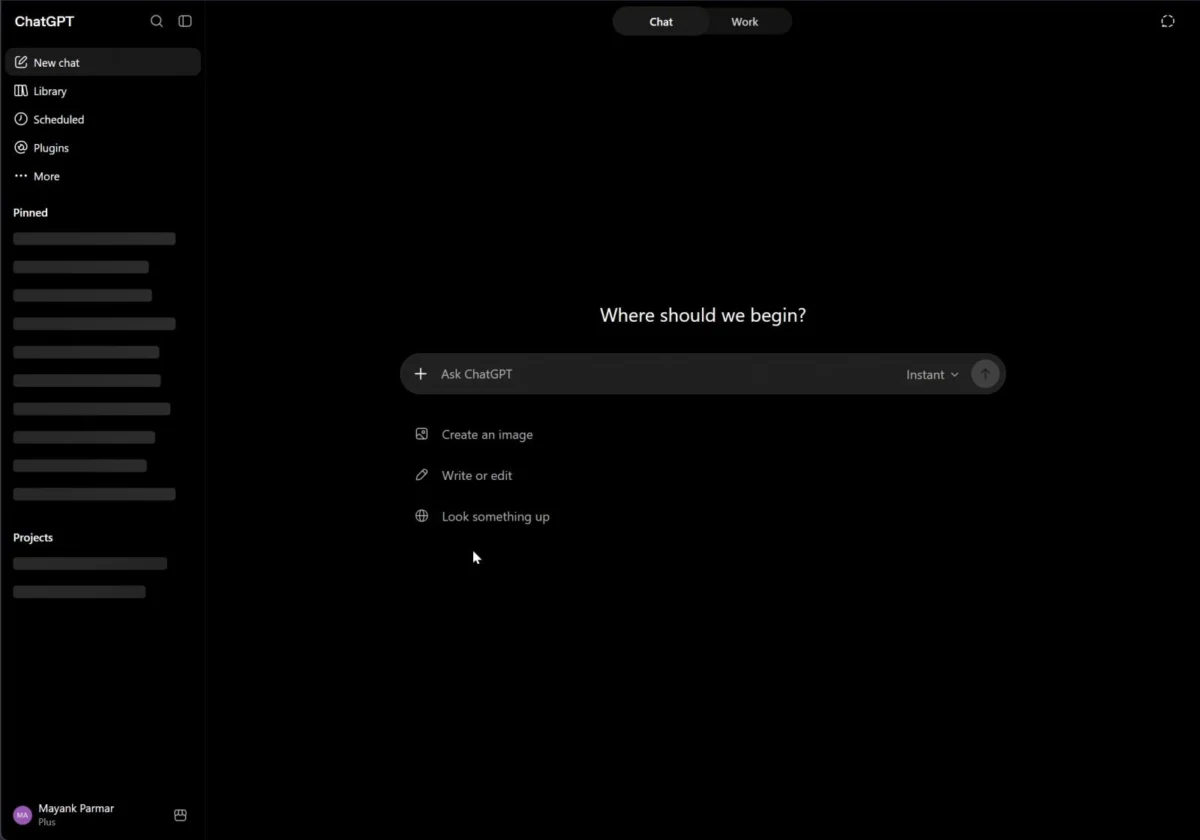
In a significant disruption to the burgeoning artificial intelligence ecosystem, OpenAI’s flagship platform, ChatGPT, has been sidelined by a major global outage that has left millions of users unable to access the service or retrieve their conversation histories. The incident, which began in the early hours of Tuesday morning, has not only silenced the popular chatbot but has also paralyzed critical development tools and third-party applications that rely on OpenAI’s underlying infrastructure.
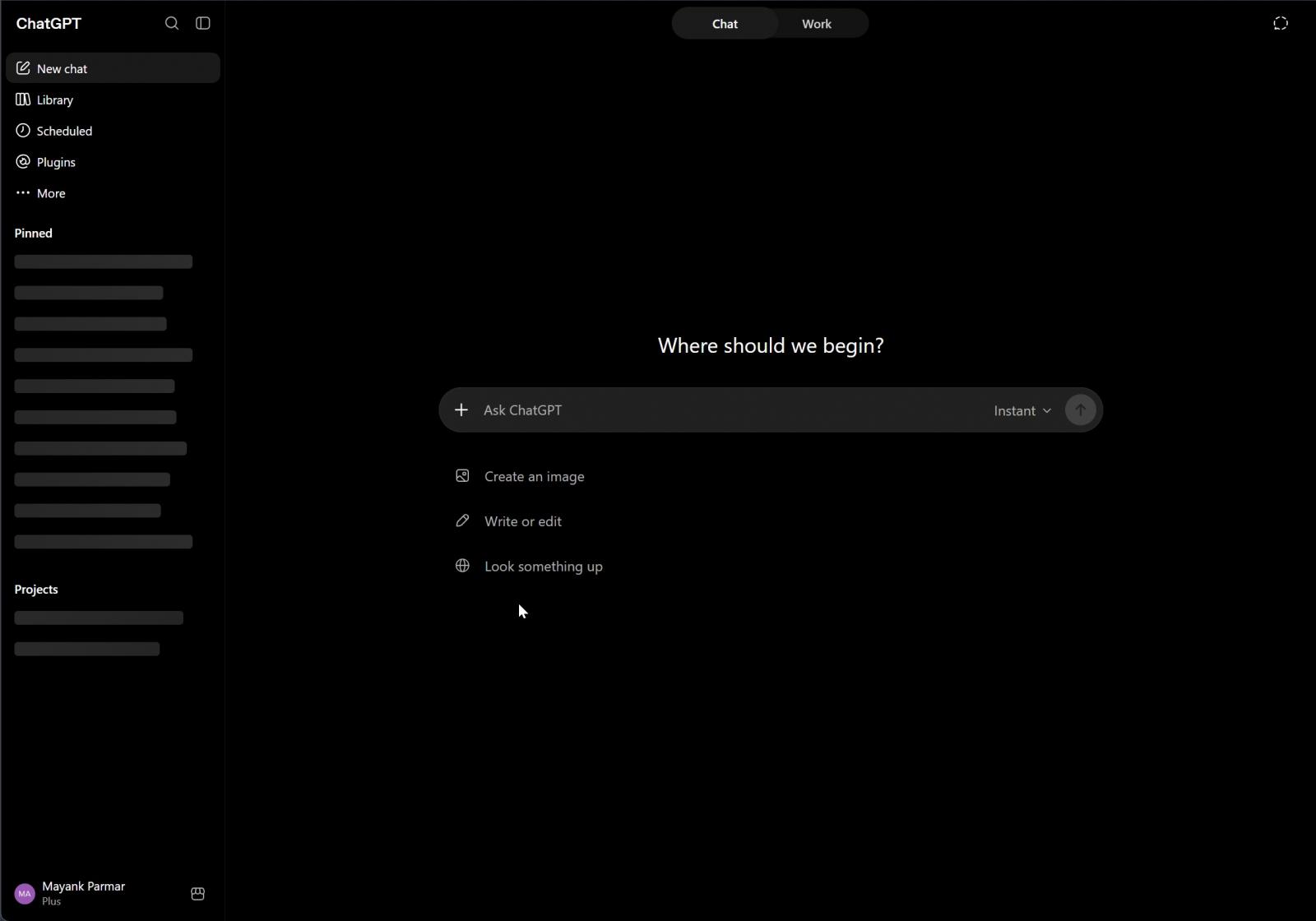
The outage was first detected at approximately 5:00 AM ET, a time that coincides with the beginning of the workday for much of the East Coast of the United States and the peak afternoon hours for users across Europe. Reports from various monitoring services and social media platforms indicate that the failure is truly global in scope, affecting users from North America to Asia. For those attempting to log in, the experience has been characterized by a frustrating loop of loading animations; the sidebar, which typically displays a user’s previous interactions and custom GPTs, remains a void of spinning icons.
When users attempt to initiate a new dialogue or send a prompt, the system frequently returns an error message citing "too many concurrent requests." This specific error suggests a bottleneck in the server-side processing of incoming data, though OpenAI has yet to confirm whether the issue stems from a surge in traffic, a configuration error, or a more systemic infrastructure failure.
A Detailed Chronology of the Outage
The timeline of the event reveals a rapid escalation of service degradation. At 5:00 AM ET, independent monitoring sites such as DownDetector began to see a vertical spike in user-submitted reports. By 5:15 AM ET, the volume of reports had reached several thousand, with users taking to platforms like X (formerly Twitter) and Reddit to confirm that the issue was not isolated to individual accounts or regional internet service providers.

OpenAI’s official status page, the primary source of truth for the company’s operational health, remained green for the first few minutes of the crisis. However, by 5:30 AM ET, the company officially acknowledged the situation. The update read: "We are investigating the issue for the listed services," specifically highlighting ChatGPT and the API as areas of concern.
By 6:00 AM ET, OpenAI engineers reported that they had identified a potential cause and were working on implementing a fix. Shortly thereafter, the status page was updated to reflect that a fix had been applied and that the company was "monitoring the situation." Despite this optimistic update, testing conducted by various news outlets and independent developers showed that the service remained largely unresponsive. The "fix" appeared to have a staggered effect, with some users regaining intermittent access while the vast majority continued to see the "too many concurrent requests" error or a total failure of the interface to load.
The Technical Breadth of the Failure
While ChatGPT is the most visible victim of this outage, the technical implications run much deeper. The disruption has extended to OpenAI’s API (Application Programming Interface), which serves as the backbone for thousands of third-party applications, ranging from customer service bots to complex data analysis tools used by Fortune 500 companies.
According to the OpenAI status page, as many as 12 distinct API endpoints were impacted simultaneously. These endpoints include critical services for chat completions, image generation (DALL-E), and embeddings, which are essential for businesses that have integrated OpenAI’s models into their own proprietary software. The failure of these endpoints effectively shutters the operations of any "AI-first" startup that does not have a multi-model redundancy plan in place.
Furthermore, the outage has hit Codex, the model that powers several automated coding assistants. For the modern software engineer, the loss of Codex-based tools represents a significant blow to productivity. Many developers have integrated AI-driven code completion into their daily workflows, and a sudden cessation of this service can delay project timelines and lead to a temporary regression in development speed.

Background and Historical Context
To understand the weight of this outage, one must consider the meteoric rise of OpenAI over the past two years. Since its launch in late 2022, ChatGPT has become the fastest-growing consumer application in history, reaching an estimated 100 million monthly active users within just two months. Today, that number is significantly higher, and the platform has transitioned from a novel experiment into a critical utility for students, professionals, and enterprises.
This is not the first time OpenAI has faced infrastructure challenges. In March 2023, the company experienced a significant data breach and outage caused by a bug in an open-source library, which allowed some users to see titles from another active user’s chat history. Later that year, in November, the platform suffered from a series of Distributed Denial of Service (DDoS) attacks that caused periodic instability.
However, the current outage is notable for its timing and the specific nature of the errors. As OpenAI moves toward a more "agentic" model of AI—where the system performs complex, multi-step tasks—the load on its infrastructure has grown exponentially. The transition to GPT-4o and the introduction of advanced voice and vision capabilities have placed unprecedented demands on the company’s compute resources, which are primarily hosted on Microsoft’s Azure cloud platform.
Economic and Industry Implications
The economic impact of an OpenAI outage is far more substantial today than it would have been even a year ago. We are currently in an era where "AI downtime" is beginning to be viewed with the same level of gravity as an Amazon Web Services (AWS) or Google Cloud outage.
For businesses that rely on the OpenAI API for customer-facing services, every minute of downtime translates to lost revenue and diminished customer trust. For example, a travel booking site using an AI agent to handle cancellations or a fintech firm using it for fraud detection suddenly finds itself forced to revert to manual processes or, worse, leave customers without support.

Industry analysts suggest that outages of this nature may drive a shift in how enterprises approach AI integration. There is likely to be an increased push for "model agnosticism," where developers build their applications to be compatible with multiple Large Language Models (LLMs). If OpenAI is down, a system could theoretically failover to Anthropic’s Claude, Google’s Gemini, or an open-source alternative like Meta’s Llama 3. This incident serves as a stark reminder of the risks associated with "vendor lock-in" in the AI space.
Public Reaction and Community Response
The reaction from the user community has been a mix of frustration and humorous resignation. On social media, the hashtag #ChatGPTDown began trending within minutes of the initial failure. Many users joked about having to "actually think" for themselves or return to traditional search engines like Google to answer their queries.
However, for professional users, the tone was more somber. Many "ChatGPT Plus" subscribers, who pay a monthly fee of $20 for priority access and higher reliability, expressed frustration that their paid status did not exempt them from the total service blackout. This raises questions about the Service Level Agreements (SLAs) that OpenAI provides to its paying customers and whether the current infrastructure can truly support the "prosumer" market it has cultivated.
On developer forums like Stack Overflow and the OpenAI Community Forum, the discussion has been more technical. Developers are sharing workarounds, such as implementing aggressive retry logic in their code or temporarily redirecting traffic to smaller, local models. The consensus among the developer community is that while OpenAI’s models are currently the industry standard, their reliability must improve if they are to be trusted with mission-critical enterprise workloads.
The Path to Recovery
As of the latest updates, OpenAI’s engineering team remains in a state of high alert. While a fix was purportedly applied, the lingering issues suggest that the recovery process is not as simple as flipping a switch. In many large-scale cloud environments, a "fix" involves rebalancing traffic across different data centers or clearing massive caches, both of which take time to propagate across the global network.
OpenAI has stated that they will provide a full post-mortem report once the service is fully stabilized. This report will be closely scrutinized by the tech community to determine if the outage was caused by a simple human error, a hardware failure in an Azure data center, or a fundamental flaw in how the company manages concurrent requests at scale.
Final Analysis: The Fragility of the AI Frontier
This event highlights a paradoxical truth about the current state of artificial intelligence: while the technology itself feels futuristic and almost magical, the infrastructure supporting it is subject to the same mundane physical and digital limitations as any other web service. The "Red Robot" of ChatGPT is only as powerful as the servers it runs on and the code that manages its traffic.
As the world becomes increasingly dependent on generative AI, the stability of these platforms becomes a matter of public interest. Governments and regulatory bodies may eventually look at AI providers as "systemically important" infrastructure, similar to telecommunications or power companies. For now, users are left waiting for the loading spinner to disappear, reminded that even the most advanced intelligence in the world can be silenced by a server error.
OpenAI continues to monitor the situation, and users are encouraged to check the official status page for the most recent updates. This story is still developing, and further details regarding the root cause and the final resolution are expected in the coming hours. Until then, the digital world remains in a state of partial paralysis, waiting for the return of the most famous chatbot in existence.
