

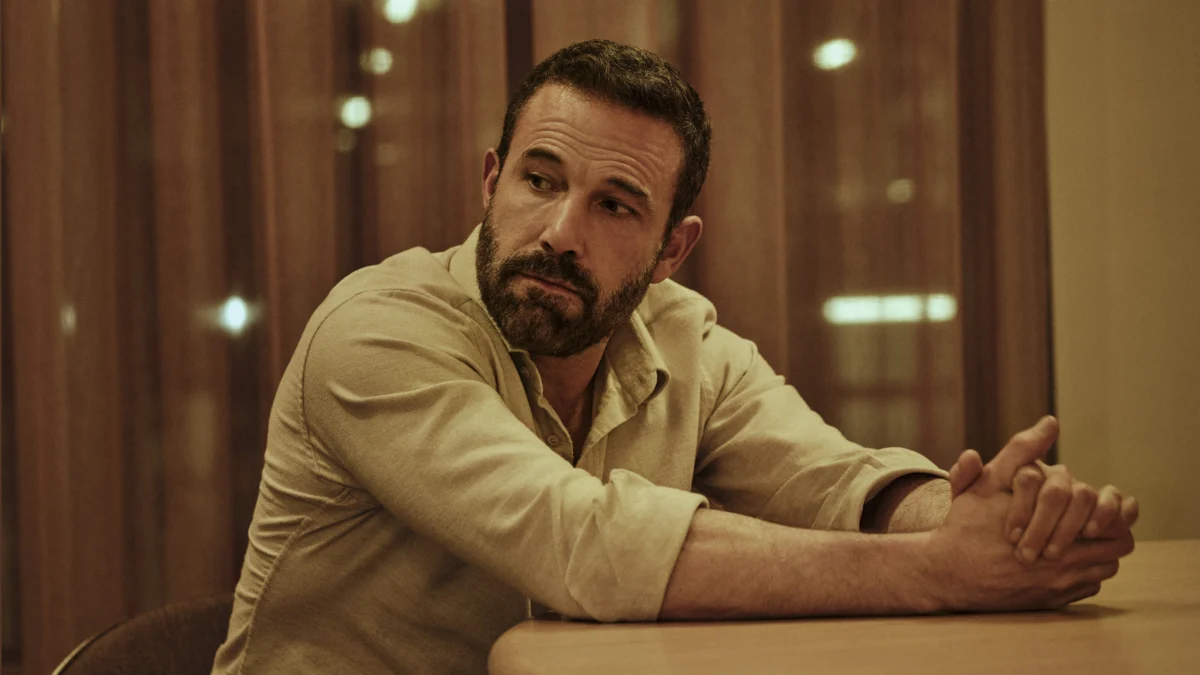
Netflix has officially confirmed the financial details surrounding its high-profile acquisition of InterPositive, an artificial intelligence startup co-founded by Academy Award-winning actor and director Ben Affleck. According to a recent regulatory filing with the Securities and Exchange Commission (SEC), the streaming giant paid $587 million in cash to bring the technology firm under its corporate umbrella. This disclosure ends months of industry speculation regarding the price tag of the deal, which was previously estimated by market analysts to be in the neighborhood of $600 million. The acquisition represents one of Netflix’s most significant investments in proprietary production technology to date, signaling a robust commitment to integrating generative AI into its global content pipeline.
The SEC filing, which covers the period ending June 30, 2026, provides a transparent look at Netflix’s capital allocation strategy as it seeks to maintain its dominant position in the increasingly competitive streaming landscape. By opting for an all-cash transaction, Netflix has demonstrated both its strong liquidity position and its desire for total control over InterPositive’s intellectual property and specialized workforce. The move comes at a time when the entertainment industry is grappling with the rapid evolution of machine learning and its role in traditional filmmaking.
The Genesis of InterPositive and the March Announcement
The journey toward this acquisition began publicly in March 2026, when Netflix first announced its intention to purchase InterPositive. The startup was founded by Ben Affleck alongside a team of veteran technologists and visual effects specialists with the goal of bridging the gap between high-end cinematic production and emerging AI capabilities. At the time of the announcement, Affleck emphasized that the company was not designed to replace human artists but rather to provide them with a more efficient toolkit to solve perennial production hurdles.
Affleck’s involvement provided the startup with immediate credibility within the Hollywood ecosystem. Unlike many tech-driven AI firms that approach filmmaking from a purely algorithmic perspective, InterPositive was marketed as a "by filmmakers, for filmmakers" solution. Affleck stated that the primary mission of the company was to "protect the power of human creativity" by automating the more tedious and costly aspects of post-production, thereby allowing directors and editors to focus on storytelling and performance.
The technology developed by InterPositive focuses on "interpositive" workflows—a term traditionally referring to a step in the film lab process—reimagined for the digital age. The startup’s proprietary AI tools are specifically engineered to address "real-world production challenges," such as correcting incorrect lighting in a crucial scene, replacing backgrounds without the need for extensive reshoots, or even generating "missing shots" where technical failures or scheduling conflicts prevented the capture of necessary coverage during principal photography.
A Chronology of the Acquisition
The timeline of the Netflix-InterPositive deal reflects a swift and decisive integration process:
- Late 2025: InterPositive emerges from stealth mode, showcasing its generative AI tools to select studio executives and demonstrating significant cost-saving potential in the post-production phase.
- March 5, 2026: Netflix officially announces the acquisition of InterPositive. While the financial terms are withheld, the company confirms that the entire InterPositive team will transition to Netflix’s internal technology division. Ben Affleck is named as a senior advisor to the project.
- March 11, 2026: Financial outlets, including Bloomberg, report that the deal is valued at approximately $600 million, citing anonymous sources familiar with the negotiations.
- April – May 2026: Integration begins as InterPositive’s tools are deployed across various Netflix original productions currently in the editing phase.
- July 2026: Netflix releases its Q2 earnings report and a subsequent SEC filing, confirming the actual cash payment of $587 million for the startup.
This timeline highlights the speed at which Netflix is moving to institutionalize AI technology. By bringing the team in-house within a single quarter, the company has bypassed the traditional vendor-client relationship, ensuring that InterPositive’s advancements remain exclusive to the Netflix ecosystem.
Technical Capabilities and Operational Impact
The $587 million investment is grounded in the practical utility of InterPositive’s software. In the traditional film industry, "fixing it in post" is a notoriously expensive and time-consuming endeavor. If a director realizes during editing that a specific camera angle is missing or that the lighting on an actor’s face does not match the reverse shot, the options are limited: either live with the flaw, use expensive CGI to mask it, or coordinate a costly reshoot.
InterPositive’s generative AI models are trained on vast datasets of cinematic lighting and movement, allowing them to synthesize realistic frames that match the existing aesthetic of a film. For instance, if a background replacement is needed, the AI can analyze the depth, grain, and color science of the original footage to seamlessly insert a new environment that reacts naturally to the foreground lighting.
This capability is particularly valuable for Netflix’s massive volume of international content. With hundreds of titles in production across different continents, the ability to fix production errors remotely using AI significantly reduces the need for international travel and the logistics of reconvening cast and crew for pickups.
Supporting Data: Netflix’s Growing AI Footprint
The acquisition of InterPositive is not an isolated experiment but rather the culmination of a broader trend within Netflix. In its most recent earnings report, the company revealed that approximately 300 of its titles released or in production over the past year have already utilized some form of generative AI. These applications range from automated subtitling and dubbing to more complex visual effects and promotional marketing materials.
The data suggests a clear correlation between the adoption of AI and the stabilization of production budgets. While Netflix continues to spend upwards of $17 billion annually on content, the efficiency gains provided by AI tools like those from InterPositive allow for higher "on-screen value." By reducing the percentage of the budget spent on technical fixes and administrative overhead, more resources can be directed toward talent acquisition and original IP development.
Industry analysts note that the $587 million price tag, while substantial, represents only a fraction of Netflix’s annual content spend. If the technology can reduce the cost of a single major blockbuster’s post-production by 10-15%, the investment could effectively pay for itself within a few years across the company’s entire slate.
Official Responses and Industry Reactions
While Netflix executives have largely stuck to the facts presented in regulatory filings, the broader industry reaction has been a mix of curiosity and caution. Representatives for Ben Affleck have reiterated his stance that technology should serve the artist. In a statement following the SEC disclosure, sources close to the director noted that the deal ensures the technology will be used to "enhance the cinematic experience rather than dilute it."
Within the creative community, the acquisition has sparked renewed debate over the future of labor in Hollywood. Coming off the heels of recent union negotiations involving the Screen Actors Guild (SAG-AFTRA) and the Writers Guild of America (WGA), the use of AI remains a sensitive topic. However, by positioning InterPositive as a tool for "production challenges" rather than "creative replacement," Netflix and Affleck appear to be navigating a middle ground.
Tech analysts have praised the move as a defensive play against other tech giants entering the entertainment space. With OpenAI’s Sora and Adobe’s Firefly making waves in video generation, Netflix’s acquisition of a proprietary, filmmaker-led AI company ensures it is not dependent on third-party licenses for its core production infrastructure.
Broader Impact and Future Implications
The integration of InterPositive marks a turning point in the "Streaming Wars." We are moving past the era where platforms competed solely on the basis of their libraries; the new frontier is the technology used to build those libraries. By owning the tools of production, Netflix is vertically integrating in a way that recalls the old Hollywood studio system, but with a Silicon Valley twist.
The implications for the wider industry are significant:
- Standardization of AI in Post-Production: As Netflix proves the efficacy of these tools, other major studios like Disney and Warner Bros. Discovery will likely face pressure to either develop their own AI divisions or acquire remaining independent startups.
- The "Affleck Model": Ben Affleck’s successful exit provides a blueprint for other A-list talent to engage with technology. We may see more actors and directors founding or backing startups that address specific pain points in the creative process.
- Cost of Entry: The $587 million valuation sets a high bar for the "cost of entry" in the AI filmmaking space. It suggests that high-quality, production-ready AI is a premium asset that only the largest players can afford to own outright.
- Quality Control: As AI becomes more prevalent, the distinction between "real" and "synthesized" footage will continue to blur. Netflix’s 300-title milestone indicates that audiences are already consuming AI-enhanced content, often without realizing it.
In conclusion, Netflix’s $587 million cash acquisition of InterPositive is a landmark event that formalizes the role of generative AI in modern cinema. By securing the expertise of Ben Affleck and his team, Netflix has not only acquired a powerful set of tools but has also signaled its intent to lead the technological transformation of the entertainment industry. As the company continues to roll out these tools across its global productions, the impact on efficiency, creativity, and the bottom line will be closely watched by investors and filmmakers alike.
