

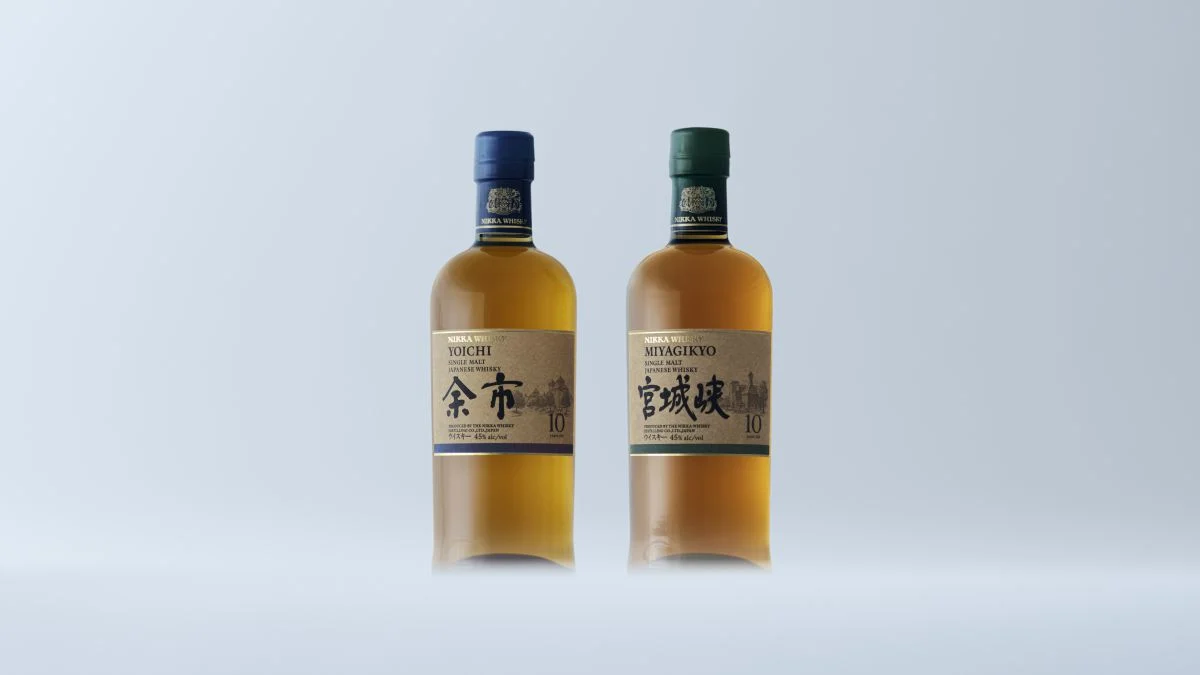
The landscape of Japanese whisky, once characterized by soaring prices and elusive bottles, is showing signs of recalibration with the highly anticipated return of Nikka’s Miyagikyo Single Malt 10 Years Old. This release signifies a broader trend of age statements reappearing on the shelves of premium Japanese whiskies, a welcome development for collectors and enthusiasts who witnessed the category’s meteoric rise and subsequent scarcity a decade ago. The surge in popularity, driven by a growing global appreciation for the meticulous craftsmanship of Japanese distillers like Suntory and Nikka, led to a drastic reduction in the availability of age-stated expressions. In response, many producers opted for non-age-statement (NAS) whiskies, a strategy to manage finite stocks while maintaining brand recognition. However, the tide appears to be turning, with Nikka leading the charge in reintroducing cherished age statements.
A Decade of Scarcity and the Resurgence of Age Statements
Approximately ten years ago, the global market for Japanese whisky experienced an unprecedented boom. Prices for sought-after bottles, particularly single malts from esteemed distilleries, escalated dramatically, transforming them from respected spirits into highly coveted collector’s items. This surge in demand, fueled by both seasoned whisky aficionados and a new wave of enthusiasts drawn to the nuanced flavors and pristine quality of Japanese distillates, far outstripped the available supply. Distilleries, caught off guard by the speed and intensity of this phenomenon, found their aged stocks dwindling rapidly.
In response to this supply-demand imbalance, many prominent Japanese whisky producers, including Suntory and Nikka, made the difficult decision to remove age statements from some of their flagship expressions. This allowed them to continue releasing whiskies under familiar brand names while incorporating younger components to extend their inventory. While this strategy ensured a consistent presence in the market, it also led to a sense of loss for many who cherished the specific maturation profiles indicated by age statements, which often denoted a deeper complexity and richer flavor development.
The market has since evolved. While certain ultra-aged Japanese whiskies, such as Yamazaki 50-year-old, continue to command astronomical prices at auction and remain exceptionally rare, the overall accessibility of many age-stated bottlings has improved. This gradual normalization has paved the way for distilleries to reintroduce age statements, a move that acknowledges consumer demand and celebrates the culmination of patient maturation. Nikka, a titan in the Japanese whisky industry, began this process in 2022 with the successful relaunch of its Yoichi Single Malt 10 Years Old. Now, the distillery is extending this initiative to its Miyagikyo distillery, a significant step in re-establishing its portfolio of age-defined single malts.
Miyagikyo’s New Chapter: A Decade of Maturation Unveiled
The Miyagikyo distillery, established in 1969 in the picturesque Miyagi Prefecture, has long been recognized for its distinct character, often described as more delicate and floral compared to the peatier profile of Nikka’s Yoichi distillery. The release of the Miyagikyo Single Malt 10 Years Old is a deliberate effort to showcase the nuanced evolution of this distillery’s spirit over a decade of aging.
Emiko Kaji, Nikka Whisky’s Global PR Leader for Education, articulated the brand’s vision behind this new release: "With the 10-year-old expression, we wanted to reveal a new dimension of Miyagikyo’s signature character," she stated. "The result reflects both a decade of maturation and our vision for Miyagikyo’s future – honoring the distillery’s heritage while showcasing the confidence and craftsmanship of a new generation."

This sentiment underscores a dual focus: honoring the foundational principles of the distillery while embracing innovation and the evolving skill set of its current distillers and blenders. The 10-year-old Miyagikyo is bottled at 90 proof (45% ABV) and is designed to build upon the distillery’s hallmark flavor profile, which typically includes "apple-like fruitiness and a silky mouthfeel." The extended maturation period allows these inherent characteristics to deepen and integrate, while also imparting subtle influences from the casks. According to Nikka, the whisky has benefited from a decade of aging in a combination of sherry casks, which impart rich, dried fruit and spice notes, and new American oak barrels, known for contributing vanilla, caramel, and a gentle sweetness. This judicious use of cask types is expected to create a whisky of considerable depth and complexity, offering a distinct tasting experience that bridges the gap between the distillery’s youthful exuberance and the profound elegance of aged spirits.
A Visual and Tactile Statement: Updated Packaging and Limited Availability
In conjunction with the reintroduction of the age statement, Nikka has also updated the presentation of the Miyagikyo Single Malt 10 Years Old. The label has undergone a significant aesthetic transformation, moving away from its previous rose hue to a sophisticated green. This color shift is a deliberate nod to the natural, verdant landscape that surrounds the Miyagikyo distillery, aiming to connect the whisky more intimately with its origin. Furthermore, the label itself is now crafted from traditional Japanese washi paper, a detail that not only enhances the premium feel of the bottle but also pays homage to Japanese artisanal traditions. This thoughtful packaging redesign elevates the spirit from a mere beverage to a piece of cultural expression, appealing to collectors who value both the liquid within and the artistry of its presentation.
However, this highly anticipated release is characterized by its exclusivity. Nikka has announced that the Miyagikyo Single Malt 10 Years Old will be a very limited edition, with only 1,572 bottles of the 700ml format being distributed nationally. This constrained supply is likely to reignite the secondary market fervor that has become synonymous with rare Japanese whiskies. The suggested retail price is $175, a figure that reflects the premium nature of the spirit and the cost of aged whisky production. Given the history of Japanese whisky pricing dynamics, it is highly probable that these bottles will command significantly higher prices on resale platforms shortly after their release.
The question remains whether this signifies a broader return of even older age statements that were phased out more than a decade ago. While Nikka has not provided explicit details on the potential reintroduction of expressions like the 12, 15, or 18-year-old variants, the current trend suggests this is a plausible development. The success of the Yoichi 10 Year Old and the strategic re-release of the Miyagikyo 10 Year Old indicate a measured and deliberate approach to re-establishing the brand’s age-stated portfolio. The industry will be closely monitoring Nikka’s future announcements for further indications of this potential expansion, as the return of more mature expressions would be a significant boon for the global community of Japanese whisky enthusiasts.
Broader Implications for the Japanese Whisky Market
The return of age statements, exemplified by Nikka’s Miyagikyo Single Malt 10 Years Old, carries substantial implications for the broader Japanese whisky market and its global standing.
- Restoration of Trust and Value: For consumers who felt alienated by the removal of age statements, this move signals a renewed commitment from producers to provide whiskies that reflect specific periods of maturation. This can help restore trust and reinforce the perception of Japanese whisky as a category that values tradition, patience, and quality.
- Economic Impact on Producers: While the initial scarcity was a challenge, the current trend of reintroducing age statements suggests a more sustainable production model. By carefully managing their aged stocks and strategically releasing limited editions, distilleries can command premium pricing while also cultivating long-term brand loyalty.
- Investment and Collectibility: The limited nature of releases like the Miyagikyo 10 Year Old will undoubtedly fuel continued interest from collectors and investors. This can contribute to the economic viability of distilleries through high-value sales, though it also raises concerns about market speculation and accessibility for everyday drinkers.
- Global Competition: As Japanese whisky continues to gain international acclaim, the reintroduction of age statements allows producers to compete more effectively with established Scotch and American whiskey brands that have a long history of offering a wide range of aged products. This can help solidify Japan’s position as a premier whisky-producing nation.
- Future of NAS Whiskies: The resurgence of age statements does not necessarily signal the demise of non-age-statement whiskies. These expressions will likely continue to play a vital role in offering more accessible entry points into the Japanese whisky category, providing a platform for innovation and experimentation with different flavor profiles.
The journey of Japanese whisky from a niche export to a global phenomenon has been a remarkable one. The current phase, marked by the thoughtful reintroduction of age statements, suggests a maturation of the market itself. As distilleries like Nikka continue to navigate the complexities of supply, demand, and consumer expectation, the future promises an exciting and potentially more balanced landscape for lovers of this revered spirit. The Miyagikyo Single Malt 10 Years Old stands as a significant marker in this evolving narrative, a testament to the enduring allure and refined artistry of Japanese whisky.
