

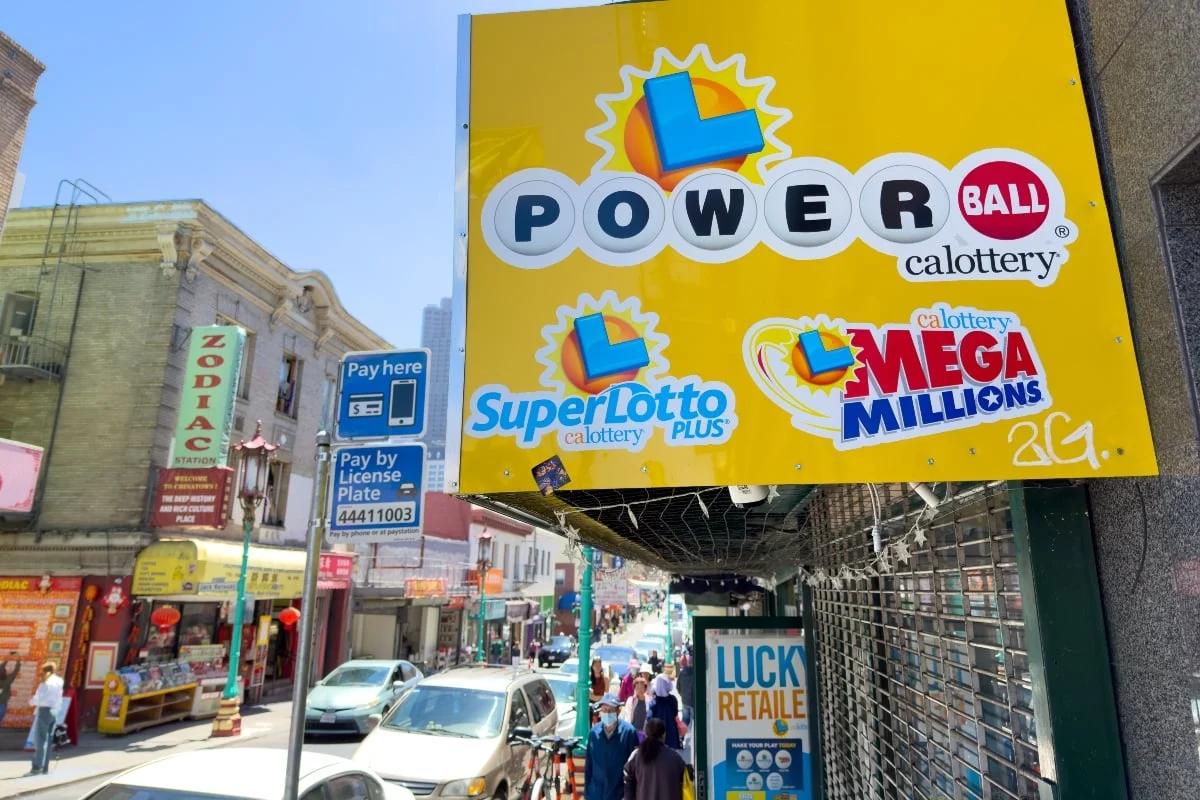
Lottery groups across the globe are escalating their campaign against prediction markets, asserting that these controversial online exchanges are effectively enabling unregulated gambling under the guise of legitimate financial trading. This mounting pressure from the established gaming sector highlights a critical regulatory fault line, with profound implications for public funding streams historically reliant on lottery revenue.
The Regulatory Labyrinth: Gambling vs. Financial Trading
At the heart of the dispute lies the fundamental definition of a "wager" versus a "financial contract." Lottery organizations contend that prediction markets, which allow users to buy and sell shares corresponding to the probability of future events – ranging from sports outcomes to political elections – are functionally indistinguishable from traditional betting. The North American Association of State and Provincial Lotteries (NASPL), representing 50 member lottery organizations predominantly within the United States, has been particularly vocal. In a July 2026 statement, NASPL sharply criticized regulators, specifically the Commodity Futures Trading Commission (CFTC), for what it perceives as an implicit endorsement of illegal gambling by allowing prediction markets to offer trading on sports and other contingent events.
"Predictions rely on an event or condition expected to happen in the future. In this case, even though a participant may claim there is an element of skill involved in making their ‘prediction,’ the overwhelming elements of chance involved in the outcome of that ‘prediction’ in fact make it a ‘wager’ and therefore a probable illegal gamble," the NASPL statement elaborated. It further clarified its stance, emphasizing that "Gambling, historically, has meant paying money, or some other sort of consideration, for the random chance to win a prize. Even if there is some element of skill involved in the wager, the fact that chance can play a primary role in the outcome of the wager makes the event a gamble." This argument challenges the core assertion by prediction market operators that their platforms constitute financial derivatives, subject to different regulatory oversight than gambling.
A Unified Front: Global Lottery Concerns
NASPL’s concerns are not isolated but echo those of the World Lottery Association (WLA), a global umbrella organization representing lotteries and state-authorized sports betting operators in over 80 countries. In May 2026, the WLA issued a comprehensive position paper articulating its strong opposition to prediction markets. The WLA paper underscored the potential threats these financial trading exchanges pose to the integrity and sustainability of the lottery industry and, critically, to the extensive public programs they financially underpin.
The WLA’s position paper stated unequivocally: "If a product offers a financial return contingent on the outcome of an event—sporting, political, or otherwise—then it constitutes a wager or bet. It must be licensed and regulated as such, irrespective of the operator’s preferred label." Both NASPL and the WLA are now jointly calling for "urgent regulatory clarification" in all jurisdictions where prediction markets operate, particularly those offering trading on sports and political events. This unified global front indicates the severity with which the traditional lottery sector views this emerging challenge, perceiving it as an existential threat rather than mere competition.
Economic Impact: Threat to Public Funding
The most significant concern articulated by lottery organizations revolves around the potential diversion of revenue from state-sanctioned lotteries, which are vital funding mechanisms for numerous public services. Most NASPL member lotteries were established through public policy processes specifically to generate critical revenue for community benefits. In the United States, for instance, lottery proceeds collectively contribute billions of dollars annually to state and local programs.
- Education: Many states, like California and New York, earmark a substantial portion of lottery profits for public education, funding everything from K-12 schools to college scholarships. These funds often supplement state budgets, helping to purchase textbooks, improve facilities, and support teacher salaries.
- Senior Programs: States such as Pennsylvania dedicate lottery revenue to programs benefiting older adults, including property tax and rent rebates, affordable prescription drug assistance, and transportation services.
- Local Grants and Infrastructure: Other states allocate funds for local grants, environmental protection, parks and recreation, and infrastructure projects, addressing critical community needs that might otherwise go unfunded.
- Property Tax Relief: Some lotteries are specifically designed to provide property tax relief for homeowners, easing financial burdens on residents.
Prediction markets, operating outside the established gambling regulatory framework, typically do not pay state taxes on their operational revenue, nor do they incur the hefty licensing fees required of traditional lottery and gaming operators. This creates a significant competitive imbalance. As the WLA highlighted, "Prediction market operators that avoid these obligations enjoy a structural competitive advantage that is entirely the product of regulatory evasion rather than superior product quality or genuine innovation. This competitive distortion is harmful not only to individual licensed operators—it threatens the public funding streams that depend on a viable, sustainable regulated gaming sector." The argument is clear: unregulated entities are siphoning funds that would otherwise flow into public coffers, thereby undermining crucial public programs.
Chronology of Concerns and the Rise of Prediction Markets
The alarm bells from lottery organizations have been ringing with increasing intensity. While the concept of prediction markets has existed for some time, their growth and accessibility have accelerated dramatically in recent years, particularly with advancements in online platforms and the broader acceptance of digital financial instruments.
- Early 2000s: Academic and research-oriented prediction markets (e.g., Iowa Electronic Markets) began exploring their utility for forecasting events.
- Mid-2010s: Commercial prediction market platforms started gaining traction, often positioning themselves as tools for collective intelligence and information aggregation, rather than gambling.
- 2020s: The platforms expanded their offerings to include a wider array of events, including high-profile sports competitions and political outcomes, drawing the attention of traditional gaming operators. The blurring of lines between "forecasting" and "betting" became more pronounced.
- May 2026: The World Lottery Association issues its comprehensive position paper, marking a significant escalation in the industry’s formal opposition, calling for explicit regulatory action against what it terms "unlicensed gambling."
- July 2026: NASPL, representing North American lotteries, follows suit with its own strong statement, reinforcing the WLA’s stance and directly criticizing the CFTC for its perceived inaction or leniency. This coordinated effort signals a concerted industry-wide push for regulatory intervention.
The Mechanics of Prediction Markets and the Regulatory Conundrum
Prediction markets are online platforms where users can trade contracts whose value is tied to the outcome of future events. For example, a contract might pay $1 if a specific sports team wins a game and $0 if they lose. The price of the contract fluctuates based on supply and demand, reflecting the market’s collective probability assessment of that event. Users buy and sell these contracts, aiming to profit from accurate predictions.
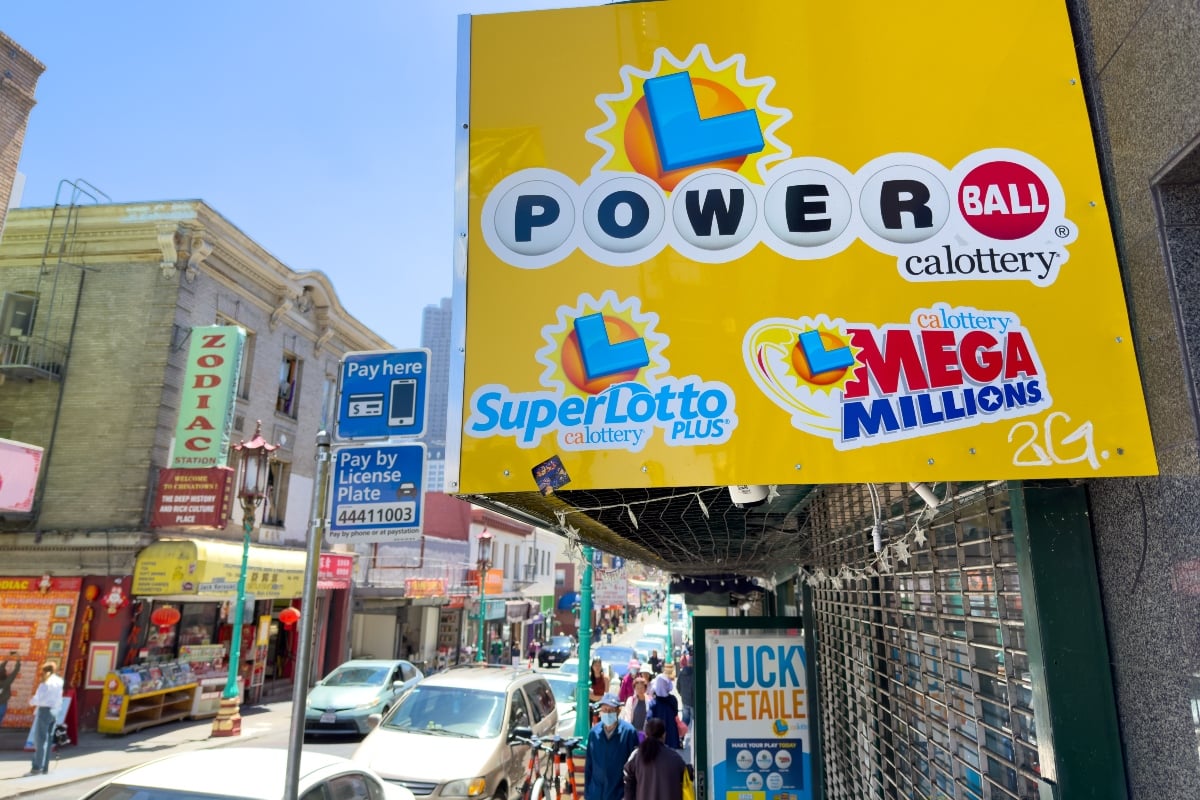
The core of the regulatory conundrum lies in how these instruments are categorized. Operators argue that these contracts are financial derivatives, akin to futures or options, and therefore fall under the purview of financial regulators like the CFTC in the U.S. They emphasize the element of "skill" in analyzing information and market trends to make informed trading decisions. However, lottery organizations and many traditional gambling regulators view these as simple bets, where the outcome is ultimately determined by chance (e.g., the unpredictable nature of a sporting event or election) and the "skill" involved is no different from that claimed by professional sports bettors.
The CFTC, mandated to regulate derivatives markets, has faced increasing pressure to clarify its stance. While it has taken action against some prediction market operators in the past for offering illegal off-exchange commodity options, the current landscape remains ambiguous for many platforms. This regulatory gray area allows prediction markets to operate without the stringent oversight, taxation, and consumer protection measures applied to state-sanctioned lotteries and licensed sportsbooks.
Statements and Reactions from Related Parties
Lottery Officials:
Pat McHugh, Executive Director of NASPL, reiterated the association’s unwavering commitment to protecting state-run lotteries and their beneficiaries. "Our members operate under a strict framework designed to generate revenue for public good. When unregulated entities siphon off potential funds without contributing to the public purse, it’s not just unfair competition; it’s a direct attack on our communities," McHugh stated. "We urge policymakers to recognize these platforms for what they are – gambling operations – and regulate them accordingly to ensure a level playing field and protect vital public services."
Regulators (Inferred):
The CFTC has typically approached prediction markets on a case-by-case basis, focusing on whether specific contracts qualify as illegal derivatives. A CFTC spokesperson, speaking anonymously due to ongoing internal discussions, indicated the complexity of the issue. "The evolving landscape of financial innovation presents continuous challenges for regulatory bodies. Our mandate is to ensure market integrity and prevent fraud, while also fostering innovation. Distinguishing between legitimate financial instruments and disguised gambling requires careful legal and economic analysis," the spokesperson noted, alluding to the difficulty of applying existing statutes to novel digital platforms. The CFTC faces a balancing act: not stifling innovation while upholding consumer protection and market stability.
Prediction Market Operators (Inferred):
Operators of prediction markets, while not directly quoted in the provided material, typically defend their platforms by emphasizing the informational value and hedging capabilities they offer. They argue that these markets aggregate diverse opinions and provide real-time insights into future probabilities, which can be valuable for businesses, researchers, and individuals seeking to hedge risks. They also assert that participants engage in sophisticated financial analysis, distinguishing their activities from games of pure chance. "Our platforms empower individuals to participate in markets that reflect collective wisdom, offering unique economic insights and opportunities for risk management. We believe our operations are distinct from traditional gambling, involving skill, research, and market dynamics," an executive from a prominent prediction market platform might state, preferring to be identified as a "financial technology innovator."
Public and Beneficiaries (Inferred):
For the millions who benefit from lottery-funded programs, the debate holds tangible implications. "Every dollar diverted from the lottery means less for our schools," remarked a superintendent from a California public school district, who wished to remain unnamed to avoid political entanglement. "We rely on those funds for essential programs, teacher training, and technology upgrades. Any erosion of that revenue stream directly impacts our students’ future." Similarly, advocates for senior citizens’ programs express apprehension. "Our seniors depend on these services for their well-being and independence. If lottery revenue declines, it puts an immense strain on already stretched budgets for critical support," commented a representative from a state agency overseeing elder care.
Broader Implications: Integrity and Consumer Protection
Beyond the immediate financial implications for public programs, the unregulated proliferation of prediction markets raises broader concerns about market integrity and consumer protection. Without the rigorous oversight applied to traditional gambling:
- Responsible Gaming: There are often no mandated responsible gaming measures, such as self-exclusion programs, spending limits, or resources for problem gamblers, which are standard in regulated lottery and casino environments. This could lead to increased instances of gambling addiction and financial distress.
- Market Manipulation: The lack of robust regulatory oversight could make prediction markets vulnerable to market manipulation, insider trading, or other unethical practices that undermine fair play and investor confidence.
- Transparency and Fairness: Unlike lotteries, which operate under strict transparency rules regarding prize payouts and operational costs, the financial mechanisms and profitability of prediction markets may not be as clearly disclosed to participants.
- Age Verification: The absence of stringent age verification processes could potentially expose minors to betting-like activities, contrary to public policy aimed at protecting vulnerable populations.
The Path Forward: Calls for Harmonization
The coordinated efforts by NASPL and the WLA represent a significant push towards compelling regulators to address this growing segment of the online economy. Their call for "urgent regulatory clarification" is not merely about protecting their market share but about ensuring that all entities offering contingent financial returns operate under a consistent, fair, and responsible regulatory framework.
This complex issue demands a harmonized approach from policymakers globally. It necessitates a clear definition of what constitutes gambling versus financial trading in the digital age, a re-evaluation of existing regulatory mandates, and potentially new legislation to create a level playing field. The stakes are high: the integrity of regulated gaming, the financial health of vital public services, and the protection of consumers from potentially exploitative or unregulated practices.
Conclusion: The Stakes for Public Services
As prediction markets continue to expand their reach and offerings, the conflict with established lottery organizations will intensify. The debate transcends mere commercial competition; it delves into fundamental questions about how societies define and regulate risk, finance public goods, and protect citizens in an increasingly digitized and interconnected world. The outcome of this regulatory battle will determine not only the future landscape of online betting and financial trading but also the continued viability of public funding streams that touch the lives of millions. The onus is now on regulators and legislators to provide the clarity and oversight that lottery organizations, and the public programs they support, so urgently demand.
