

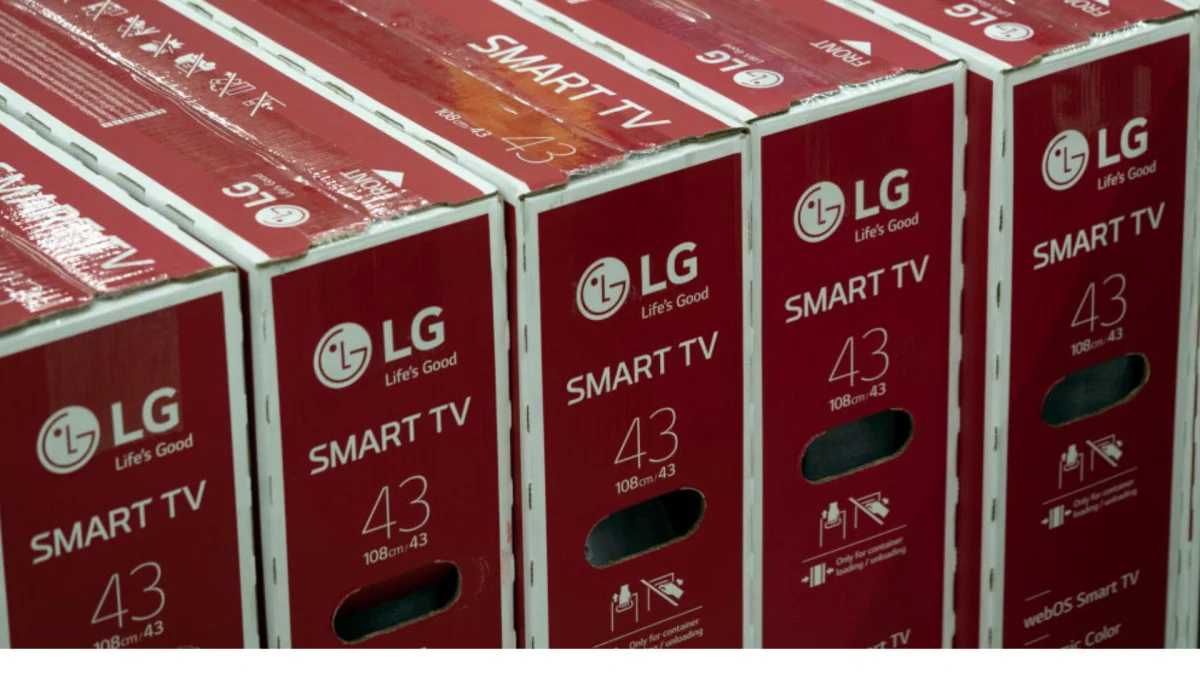
Consumer trust in modern home electronics has been severely shaken following a comprehensive, two-hour investigative report published by the prominent tech channel Gamers Nexus. The video accuses global electronics manufacturer LG of covertly capturing user audio—even while display screens are powered down—alongside harvesting extensive telemetry, including localized network infrastructure data, connected device inventories, and precise geolocation markers. The explosive findings have transformed into a wider industry reckoning, echoing long-standing privacy concerns regarding the modern Internet of Things (IoT) ecosystem and the pervasive data-gathering architectures embedded within contemporary smart home appliances.
The digital landscape reacted swiftly to the initial exposé. Within days of the video’s publication, dozens of high-profile technology analysts, reviewers, and consumer advocacy channels released complementary content dissecting smart TV telemetry. Prominent creators on channels such as Linus Tech Tips published guides advising consumers on how to mitigate smart TV tracking, while testing outlets like RTINGS published independent analyses indicating that surveillance mechanisms are not isolated to LG hardware, but rather represent a systemic approach across multiple competing television manufacturers.
Chronology of the Controversy
The unfolding narrative began when Gamers Nexus released its exhaustive technical breakdown, utilizing packet sniffers, local hardware analysis, and software reverse-engineering to monitor outgoing data streams from modern LG television models. The investigation asserted that the hardware was intercepting ambient acoustic data and pinging external servers with detailed household metrics absent explicit user engagement.
As the video accumulated millions of views across digital platforms, public pressure mounted on LG’s corporate communications and engineering divisions. Tech journalists flooded the company with inquiries regarding background listening protocols and data retention policies.
In response to mounting public outcry and declining consumer sentiment, LG formally refuted the allegations. The defense materialized across various international news broadcasts and culminated in an official corporate statement published on the company’s global newsroom portal. Titled "Understanding Privacy on LG Smart TVs," the release sought to dismantle the core assertions made in the Gamers Nexus report and reassure consumers regarding the structural boundaries of the operating system’s data collection capabilities.
LG’s Official Defense and Technical Clarifications
In its published statement, LG explicitly denied that its smart television sets continuously record or transmit private consumer conversations. The company outlined the precise operational triggers required to initiate speech-to-text processing on its webOS platform.
According to LG, speech-to-text conversion is strictly initiated only when a user actively engages a designated wake-word feature or manually depresses the physical microphone or AI button located on the remote control interface. The company clarified that audio utilized strictly for wake-word detection is handled locally on the device’s internal processor. If no authorized wake word is detected, the audio buffer is purportedly discarded—meaning it is never converted into text, stored in local or cloud memory, or transmitted to external servers.
Furthermore, LG acknowledged that voice-recognition results and associated technical operational logs may be generated exclusively to execute a valid voice command. However, the manufacturer maintained that these records remain bound to specific, user-initiated voice interactions, insisting they do not equate to continuous, ambient eavesdropping on conversations occurring outside active voice-recognition sessions.
Addressing concerns regarding offline data storage, LG stated that speech-recognition results may be leveraged to optimize voice-related software features, but asserted these logs are never retroactively uploaded to corporate servers when the television reconnects to the internet after a period of offline status.
Beyond audio concerns, LG addressed criticism regarding its Automatic Content Recognition (ACR) technology. ACR is an advanced data-gathering utility engineered to analyze pixel and audio fingerprints from what is displayed on the screen to deliver tailored content recommendations, targeted advertising, and viewing habit analytics. LG emphasized that ACR and other telemetry-heavy features are entirely optional, requiring explicit opt-in consent from the consumer during the initial device setup process or through the system settings menu at a later date.
Lingering Skepticism and Semantic Scrutiny
Despite LG’s formal assurances, privacy advocates, cybersecurity researchers, and legal experts have pointed out potential ambiguities within the manufacturer’s public statements. Observers quickly homed in on the precise phrasing utilized by the corporation.
By explicitly declaring that "LG smart TVs do not continuously record or transmit users’ conversations," critics argue the statement leaves open the possibility of intermittent, sporadic, or event-triggered recording mechanisms. The distinction between "continuous" surveillance and periodic or trigger-based telemetry remains a central point of contention among digital rights watchdogs.
Moreover, security analysts note that modern smart televisions operate as complex computing platforms running modified operating systems laden with third-party software development kits (SDKs), analytics trackers, and advertising pixels. Even if core voice data is handled according to corporate policy, the sheer volume of metadata collected regarding local network architecture, MAC addresses, connected streaming sticks, and viewing patterns creates a comprehensive digital profile of the household. For many privacy advocates, the collection of this metadata alone constitutes an unacceptable intrusion into domestic privacy, irrespective of whether raw audio is being actively streamed to remote servers.
Broader Implications for the Smart Home Ecosystem
The LG controversy is not an isolated incident, but rather the latest flashpoint in an ongoing regulatory and cultural battle over consumer privacy in the era of smart home automation. Modern televisions have fundamentally transitioned from passive display monitors into data-harvesting hubs. Subsidized by hardware sales models that rely on data monetization and targeted advertising to maintain competitive retail price points, manufacturers possess a powerful financial incentive to collect, aggregate, and monetize user attention and household metrics.
This business model places the burden of privacy protection largely on the consumer, who is frequently confronted with dense, multi-page End User License Agreements (EULAs) and obscure privacy policies during initial device configuration. Features designed to collect granular telemetry are often buried within nested submenus, toggled on by default, or framed as essential for basic functionality—a practice commonly referred to in regulatory circles as "dark patterns."
Industry analysts suggest that the Gamers Nexus exposé and the subsequent public backlash may accelerate regulatory scrutiny from consumer protection agencies worldwide. Jurisdictions operating under stringent frameworks such as the European Union’s General Data Protection Regulation (GDPR) and the California Consumer Privacy Act (CCPA) have increasingly targeted deceptive telemetry practices and opaque data-sharing pipelines between smart appliance manufacturers and third-party data brokers.
Ultimately, the escalating friction between manufacturers and privacy advocates underscores an urgent need for industry-wide transparency. The debate highlights a fundamental paradox of modern consumer technology: the desire for seamless, voice-activated convenience directly clashes with the right to domestic privacy. While public discourse and technical exposés are vital tools for holding major technology conglomerates accountable, consumer advocacy groups continue to argue that verifiable trust should be established by design, rather than negotiated reactively in the wake of public relations crises.
