

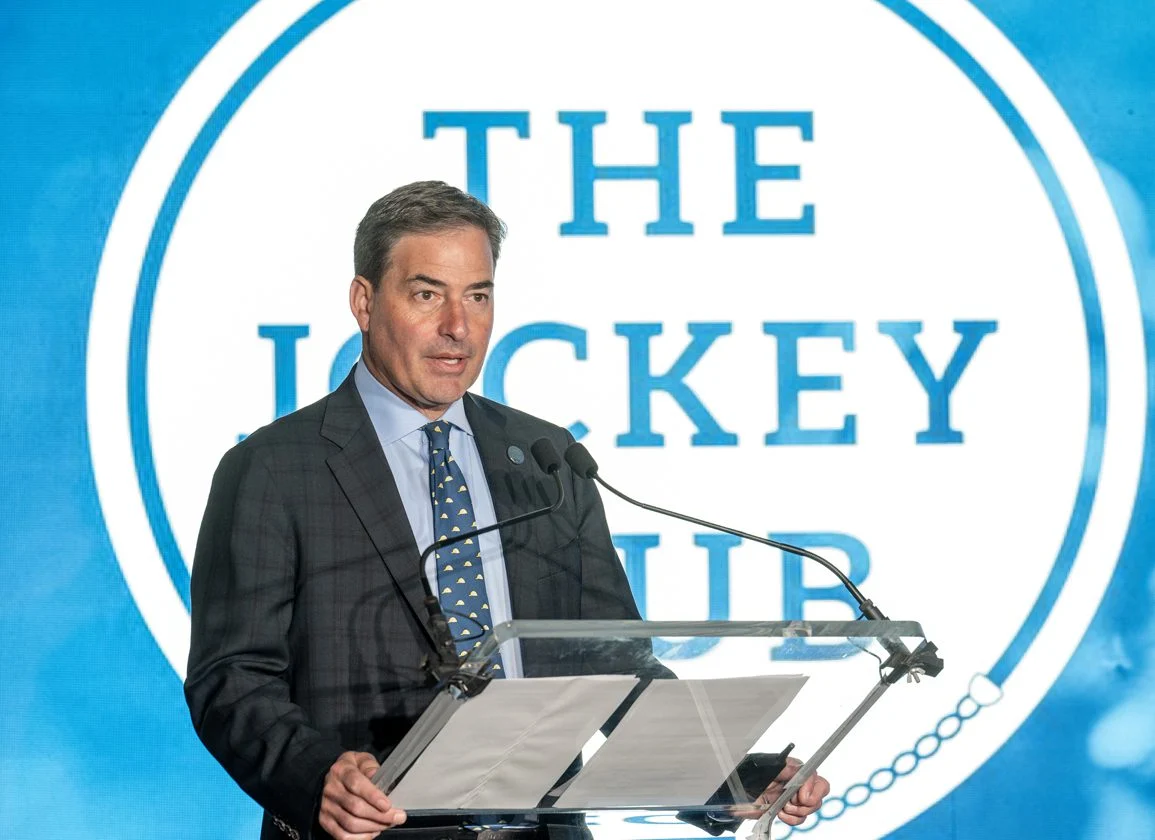
After more than two decades of dedicated service to the Thoroughbred industry, James "Jim" Gagliano, the long-standing president and chief operating officer of The Jockey Club, has announced his retirement. The transition, which was confirmed on Monday, September 28, 2026, by Everett R. Dobson, chair of The Jockey Club, is set to take effect on January 1, 2027. This change marks the end of a transformative era for the organization, as it prepares for a new chapter in its leadership structure.
A Legacy of Strategic Leadership
Gagliano’s tenure at The Jockey Club, which began in 2005 when he joined the organization as executive vice president and chief administrative officer, has been defined by a commitment to modernization and industry-wide reform. Since assuming the role of president and COO on January 1, 2010, Gagliano has steered the organization through a period of intense scrutiny and rapid evolution within the sport of horse racing.
During his sixteen years at the helm, Gagliano was instrumental in shifting the focus of The Jockey Club toward long-term sustainability. Under his guidance, the organization expanded its reach through ventures like America’s Best Racing (ABR), an initiative designed to cultivate a new generation of fans. By leveraging digital platforms and enhanced television partnerships—most notably with FOX Sports—Gagliano helped stabilize the visibility of the sport at a time when traditional viewership models were facing significant disruption.
Chronology of a Career
Gagliano’s career arc reflects the broader history of the Thoroughbred industry over the last twenty-one years.
- 2005: Gagliano joins The Jockey Club as executive vice president and chief administrative officer.
- 2010: He is promoted to president and chief operating officer, taking over the day-to-day management of the organization.
- 2010 (October): Gagliano begins his tenure as the vice chair for the International Federation of Horseracing Authorities (IFHA) executive council, a position he will retain following his retirement from his domestic duties.
- 2011–2012: Development and launch of the Thoroughbred Aftercare Alliance (TAA) and the Thoroughbred Incentive Program (TIP), marking a pivot toward welfare as a core industry pillar.
- 2012: Implementation of the Equine Injury Database, which provided the first comprehensive data set to identify injury trends and develop preventative safety measures.
- 2020: The passage of the Horseracing Integrity and Safety Act (HISA), a landmark legislative achievement in which Gagliano played a critical advocacy role.
- 2027 (January 1): Scheduled date of retirement.
Institutional Shifts and Internal Restructuring
The transition process is already well underway. The Jockey Club has announced that Charlotte Clement de Bona, currently serving as the chief strategy and transformation officer, will ascend to the position of chief operating officer effective January 1, 2027. This move signals a desire for continuity in the organization’s current strategic direction, particularly as it relates to the digital transformation of racing data and the continued oversight of safety protocols.
While Clement de Bona will assume the role of COO, the organization has confirmed it will initiate a formal search for a new chief executive officer to lead the broader strategic vision of The Jockey Club. This split in responsibilities suggests that the board is looking to evolve the executive structure to meet the increasingly complex regulatory and commercial demands of the 21st-century racing landscape.
Impact on Equine Welfare and Safety
Perhaps the most significant aspect of Gagliano’s legacy is the shift in the sport’s approach to safety. When he became president in 2010, the industry was often fragmented, with safety standards varying wildly between jurisdictions. Gagliano prioritized the centralization of data, which served as the foundation for the eventual implementation of the Horseracing Integrity and Safety Authority (HISA).
By championing the Jockey Health Information System and the Equine Injury Database, Gagliano helped move the conversation from reactive crisis management to proactive risk mitigation. His efforts to build consensus among disparate racing stakeholders were crucial in navigating the political landscape required to pass federal legislation, a feat that had eluded racing leaders for decades.
Official Responses and Industry Outlook
In his statement, Everett R. Dobson praised Gagliano’s “extraordinary leadership” and his ability to navigate the complex, often contentious, environment of the Thoroughbred industry. “During his tenure, The Jockey Club advanced many of the most significant initiatives in modern Thoroughbred racing, and Jim helped position The Jockey Club as a driving force for positive change,” Dobson stated.
Industry observers have noted that Gagliano’s departure comes at a pivotal time. With HISA now operational and the focus shifting toward long-term enforcement and international harmonization, the next CEO will face the challenge of maintaining the momentum established by Gagliano.
Reflecting on his career, Gagliano noted, “It has been a tremendous privilege to serve this organization and the Thoroughbred industry. I am deeply grateful to the stewards and chairs who placed their trust in me and provided me with the opportunity to lead The Jockey Club during a period of significant change and progress.”
Broader Implications and Future Challenges
The retirement of a leader who served for sixteen years as president often triggers a period of reassessment for an organization. The Jockey Club, which serves as the official registry for Thoroughbreds in North America and acts as a central repository for racing data, holds a unique position of influence.
The challenges facing the next executive team are substantial. They include:
- International Harmonization: With Gagliano remaining as vice chair of the IFHA, the link between North American standards and global regulations will remain strong, but the domestic organization must continue to align its rules with international best practices.
- Economic Sustainability: As betting markets evolve and fan demographics change, The Jockey Club must continue to invest in data-driven marketing to ensure the sport remains a viable entertainment product.
- Regulatory Maturity: As HISA transitions from its initial implementation phase to a more mature regulatory body, The Jockey Club’s relationship with the Authority will require careful navigation to ensure that scientific data remains at the heart of policy decisions.
Conclusion
Jim Gagliano’s exit marks the conclusion of a chapter characterized by the professionalization of industry standards and a deepened commitment to the ethical treatment of the horse. By shifting the focus toward welfare, transparency, and data-backed safety measures, Gagliano has left the sport fundamentally different than he found it.
As The Jockey Club begins its search for a new CEO, the focus will likely remain on finding a leader capable of balancing the historical responsibilities of the registry with the modern demands of an increasingly regulated and globalized industry. With Charlotte Clement de Bona poised to step into the COO role, the organization appears positioned to maintain its current trajectory, ensuring that the progress made under Gagliano’s watch continues well into the future.
For the Thoroughbred racing industry, the transition represents a natural evolution, but one that underscores the necessity of the firm, consistent leadership that Gagliano provided for over a generation. His continued work on the international stage ensures that while he is stepping back from the daily operations in North America, his influence on the sport’s global direction will remain a constant for the foreseeable future.
