

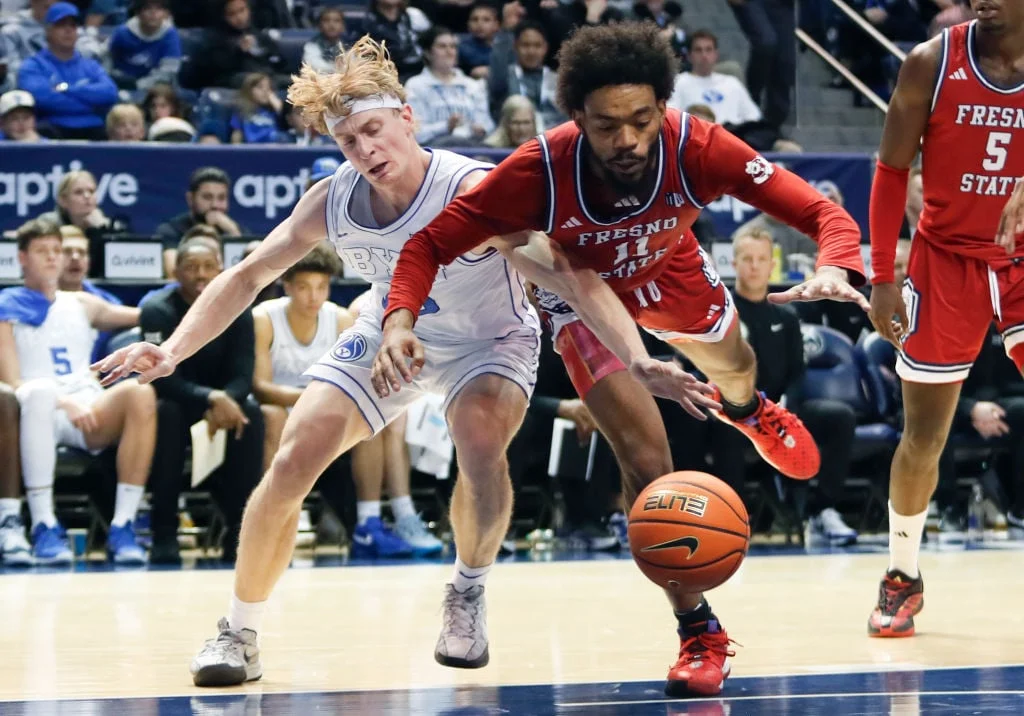
Las Vegas, NV – Samuel Silverman, a former sportsbook trader for DraftKings, is facing serious felony charges in Nevada following an extensive investigation by the Nevada Gaming Control Board (NGCB) into an alleged prop-betting scheme. The charges stem from accusations that Silverman possessed advance, insider knowledge of a Fresno State basketball player’s intent to underperform in a January 2025 game, subsequently facilitating wagers based on this confidential information. This case highlights the ongoing challenges faced by the burgeoning legal sports betting industry in safeguarding the integrity of athletic competitions against fraudulent activities.
The arrest of Silverman on May 5, 2026, marks a significant development in a broader college basketball gambling scandal that first surfaced in February 2025. The scandal has already led to permanent bans from the NCAA for three Fresno State players, underscoring the severe repercussions for athletes and individuals involved in such illicit schemes. The NGCB’s proactive investigation, culminating in Silverman’s charges, signals a firm stance by regulatory bodies against any attempts to compromise the fairness and transparency of sports betting markets.
The Alleged Scheme and Player Involvement
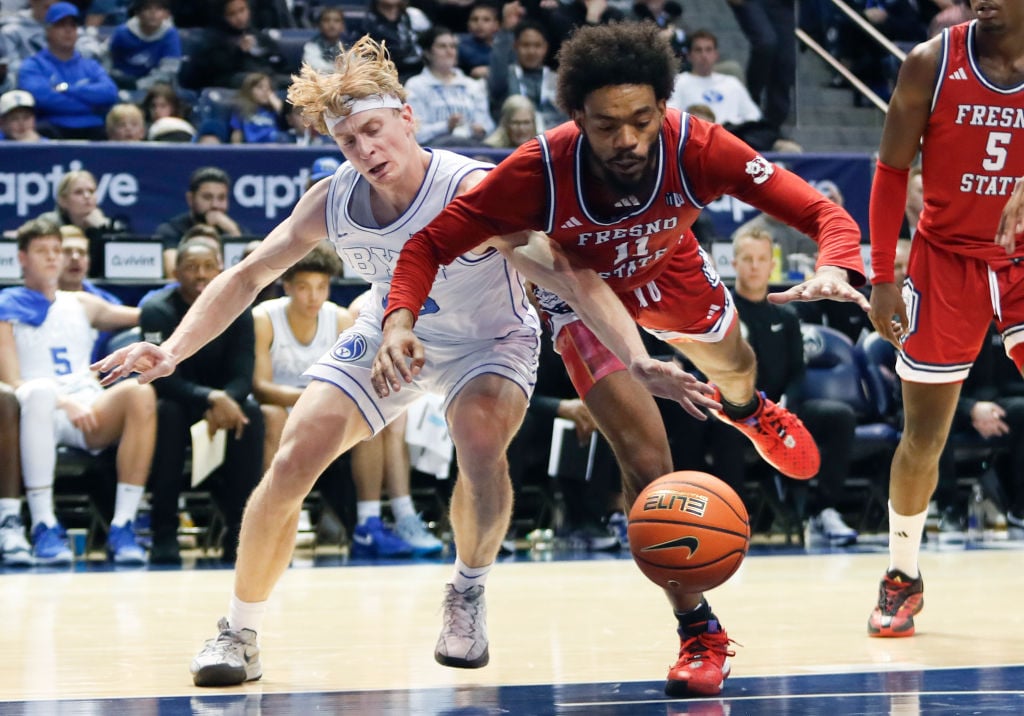
The heart of the allegations against Silverman revolves around a specific NCAA men’s basketball game played on January 7, 2025, between Fresno State and Colorado State. According to the NCAA investigation, which preceded the NGCB’s charges, Fresno State player Mykell Robinson conspired with former teammate Steven Vasquez to place wagers on Robinson’s planned underperformance in that game. Robinson, a key figure in the alleged scheme, is accused of intentionally altering his play during the contest to ensure that prop bets on his statistical “unders” would win. Prop bets, or proposition bets, allow bettors to wager on specific occurrences or non-occurrences within a game, such as a player’s total points, rebounds, or assists, rather than the final outcome. This type of wager is particularly susceptible to manipulation when inside information about a player’s intent is available.
The NCAA’s findings indicated that Robinson and Vasquez worked in concert, with Vasquez allegedly assisting in coordinating the wagers and subsequently distributing the illicit proceeds. The game in question, a 91-64 loss for Fresno State to Colorado State, saw suspicious betting patterns flagged by a Nevada sportsbook, triggering the initial inquiry. Robinson played 21 minutes in the game, attempting only four shots and finishing with three points, two rebounds, no assists, and one made three-pointer – statistics that align with the alleged intentional underperformance to hit specific “under” prop bet targets.
Further complicating the scandal, another former Fresno State player, Jalen Weaver, also admitted to exchanging player-prop information with Robinson. Weaver reportedly placed a $50 daily fantasy parlay bet that included his own performance, Robinson’s performance, and that of another college basketball player. This wager yielded a return of $260, further illustrating the interconnected web of alleged gambling activities among the players. As a result of the NCAA investigation, Robinson, Vasquez, and Weaver were permanently banned from NCAA competition in September 2025, sending a stark warning about the NCAA’s zero-tolerance policy on gambling.
The Nevada Gaming Control Board’s Investigation
The Nevada Gaming Control Board, renowned for its rigorous oversight of the state’s gaming industry, launched its investigation after receiving alerts from a licensed sportsbook regarding the suspicious betting activity surrounding the January 2025 Fresno State-Colorado State game. These alerts are a critical component of the integrity monitoring systems implemented by sportsbooks and regulators to detect potential fraud. Such systems track unusual betting volumes, sudden shifts in odds, and patterns that deviate from expected market behavior, especially on prop bets where individual player actions can be more easily manipulated than overall game outcomes.
Nevada investigators quickly focused on Samuel Silverman, whose past connection to Fresno State’s men’s basketball team as a manager provided a potential link to insider information. The investigation also implicated Matthew J. Martin, identified as Silverman’s roommate and a fellow former DraftKings trader. Martin is alleged to have placed three suspicious wagers through BetMGM, with Silverman accused of providing the funds for these bets and later orchestrating the distribution of the winnings. The NGCB meticulously pieced together the alleged arrangement by analyzing a comprehensive array of financial records, payment accounts, cellphone evidence, and transactional data obtained from various licensed sportsbooks. This multi-faceted approach underscores the sophistication and thoroughness of modern gaming investigations, which leverage digital footprints to uncover complex schemes.
The charges against Silverman—committing a fraudulent act in a gaming establishment and conspiracy to cheat at a gambling game—are serious felonies in Nevada. These charges reflect the state’s commitment to protecting the integrity of its gaming industry, which is a cornerstone of its economy. Silverman has pleaded not guilty to the charges and is scheduled for a preliminary hearing on August 4, 2026. While Silverman is the only individual publicly charged in the Nevada investigation so far, the NGCB has indicated that it is pursuing cases against several additional suspects, suggesting a wider network of individuals may have been involved in this or related schemes.
DraftKings’ Response and Industry Implications
In response to the unfolding scandal, DraftKings, one of the largest sports betting operators in the United States, issued a statement to ESPN confirming that the alleged illicit bets were not placed through its platform. The company also unequivocally stated that both Samuel Silverman and Matthew J. Martin were no longer employed by DraftKings. The statement further emphasized the company’s strong condemnation of the alleged conduct of its former employees and reiterated its commitment to protecting the integrity of sports and sports betting.
The involvement of individuals previously employed by major sportsbooks like DraftKings in such a scheme raises significant questions about internal controls and the potential for insider threats within the industry. While sportsbooks implement rigorous systems to monitor betting patterns and identify suspicious activity, the human element, particularly individuals with access to sensitive market information or connections to athletes, remains a vulnerability. This incident serves as a critical reminder for sports betting operators to continuously enhance their employee screening, training, and surveillance protocols to mitigate such risks.
The broader implications for the sports betting industry are substantial. The rapid expansion of legal sports betting across the United States since the Supreme Court’s 2018 ruling overturning PASPA (Professional and Amateur Sports Protection Act) has led to an explosion in market size, now estimated to be worth tens of billions of dollars annually. With this growth comes an increased imperative to maintain public trust and ensure the integrity of the games. Scandals involving player manipulation or insider trading can severely erode confidence in the fairness of sports and the legitimacy of betting markets. Regulators, sports leagues, and betting operators are continuously refining their collaborative efforts to detect, investigate, and prosecute fraudulent activities.
The Landscape of College Sports Betting and Integrity
The alleged prop-betting scheme involving Fresno State players and a former sportsbook trader highlights the unique vulnerabilities associated with college sports betting. Unlike professional athletes, college athletes are often younger, may have less financial literacy, and are subject to NCAA rules that historically prohibited them from earning income beyond scholarships, although Name, Image, and Likeness (NIL) deals have begun to change this landscape. The pressures of college athletics, combined with potential financial incentives from illicit gambling, can create fertile ground for corruption.
The NCAA has long maintained stringent rules against gambling by student-athletes, coaches, and staff, viewing it as a direct threat to the integrity of amateur sports. The permanent bans issued to Robinson, Vasquez, and Weaver are consistent with the NCAA’s historical enforcement posture. However, with legal sports betting now prevalent in over 30 states, the NCAA faces an increasingly complex challenge in educating athletes about the risks and enforcing its rules. Educational campaigns, increased monitoring, and severe penalties are all part of the NCAA’s strategy to combat gambling-related corruption. There have also been growing calls from various stakeholders, including some sports commissioners, to restrict or even ban prop bets on college athletes, given their perceived susceptibility to manipulation. This incident will likely intensify that debate.
Moreover, the case underscores the vital role of state regulatory bodies like the NGCB. Nevada has a long history of regulating gaming and has developed robust frameworks for oversight, investigation, and enforcement. The NGCB’s ability to swiftly investigate and charge individuals involved in alleged fraud is crucial for maintaining the state’s reputation as a fair and well-regulated gaming jurisdiction. The collaboration between sportsbooks, which act as the first line of defense in flagging suspicious activity, and regulatory bodies like the NGCB and state law enforcement, is paramount in the ongoing battle against sports betting fraud.
A Broader Look at Integrity and Future Challenges
The incident involving Samuel Silverman and the Fresno State players is not an isolated one, but rather a prominent example of the integrity challenges that accompany the rapid expansion of legal sports betting. Cases of athletes, coaches, or even officials engaging in betting-related misconduct, or individuals attempting to leverage insider information, periodically surface across various sports. Each such incident serves as a stark reminder of the constant vigilance required from all stakeholders—athletes, teams, leagues, sportsbooks, and regulators—to uphold the sanctity of competition.
In an era where data analytics and sophisticated algorithms are increasingly used to set odds and monitor betting markets, the human element of fraud remains a persistent threat. The ability of individuals with insider knowledge to exploit specific betting markets, particularly prop bets, necessitates ongoing innovation in integrity monitoring. This includes not only technological solutions but also robust ethical training for athletes and employees within the sports betting ecosystem.
As the legal sports betting market continues to mature and expand into new jurisdictions, the lessons learned from cases like Silverman’s will be invaluable. Regulators may consider even stricter licensing requirements, enhanced background checks for sportsbook employees, and potentially re-evaluating the types of bets permitted on college sports. The balance between offering a diverse array of betting options to consumers and protecting the integrity of athletic competitions is a delicate one that will continue to be refined through ongoing dialogue and, unfortunately, through the lessons learned from incidents of alleged fraud. The upcoming preliminary hearing for Samuel Silverman on August 4, 2026, will be closely watched as it progresses through the Nevada legal system, potentially shedding further light on the alleged scheme and reinforcing the consequences for those who seek to undermine the integrity of sports.
