

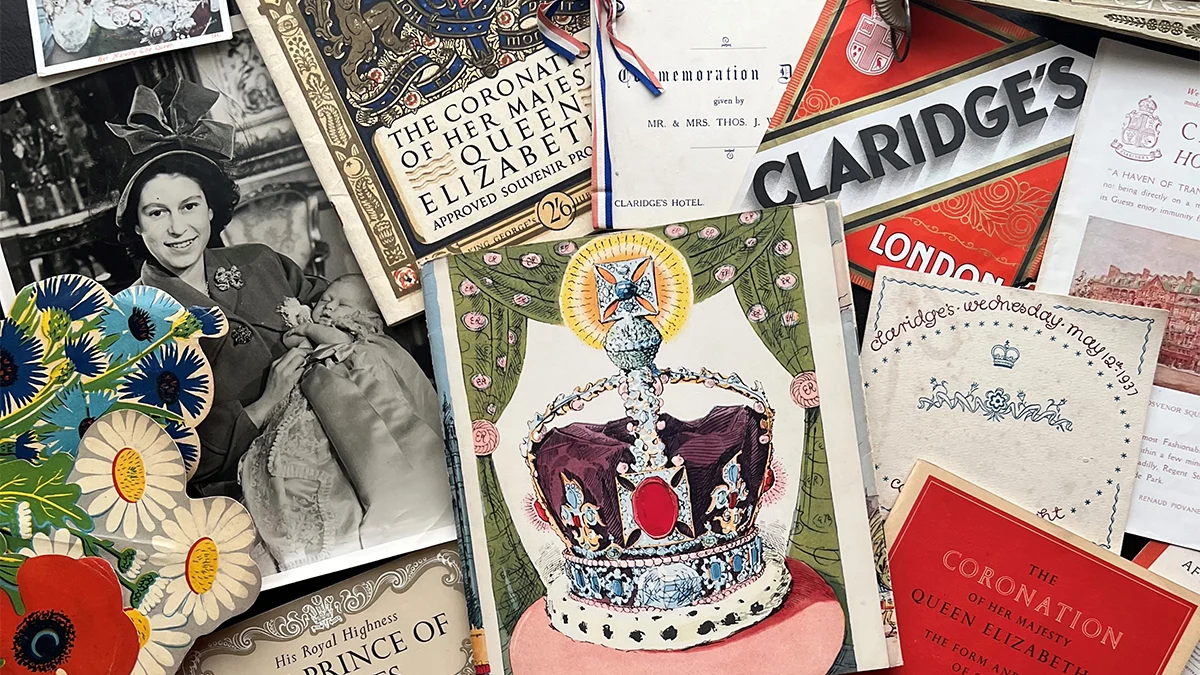
The storied halls of Claridge’s, a beacon of luxury hospitality in London’s prestigious Mayfair district, are set to reveal their secrets in an authorized biography this autumn. Titled Claridge’s: Queen of Hotels, Hotel of Kings, the comprehensive tome promises to chronicle over two centuries of history, from its origins in 1812 to its present-day status as a beloved sanctuary for royalty, global luminaries, and discerning travelers alike. This publication marks a significant moment for the iconic hotel, offering an unprecedented deep dive into the experiences and transformations that have cemented its legendary reputation.
Published by Hodder & Stoughton, the book is penned by Martin Williams, a distinguished London-based historian and author with a background steeped in the art and auction world, having previously worked with institutions such as Christie’s and Sotheby’s. Williams’ expertise in social and cultural history, evidenced by his 2023 debut The King Is Dead, Long Live the King!, positions him as an ideal narrator for Claridge’s rich tapestry of events and personalities. The biography is anticipated to unveil previously unreleased archival material, providing readers with fresh insights into the hotel’s evolution and its enduring allure.
A Legacy Forged in Elegance and Influence
Claridge’s journey began in 1812, when hotelier Thomas Waters acquired a property and subsequently leased it to the accomplished French restaurateur Monsieur Ude. By 1856, the hotel was acquired by John Claridge, who expanded the property and gave it its enduring name. The subsequent decades saw further expansions and renovations, meticulously transforming the establishment into the grand hotel recognized today. The book will trace this architectural and operational evolution, highlighting key figures who shaped its destiny, from visionary hoteliers to influential patrons.

The narrative will underscore how Claridge’s transcended mere accommodation to become a symbol of British hospitality and glamour. Its strategic location in Mayfair, a district synonymous with affluence and high society, has played a crucial role in its accessibility and appeal to a global elite. The hotel has consistently adapted to changing times, embracing modern comforts and services while preserving its classical elegance. This duality has been instrumental in its ability to attract and retain a diverse clientele, ranging from heads of state to Hollywood stars.
Charting a Course Through History’s Elite
Claridge’s: Queen of Hotels, Hotel of Kings is poised to showcase the hotel’s extraordinary role as a haven for influential figures throughout history. The book will delve into the intimate connections Claridge’s has maintained with royalty, notably its long-standing relationship with the British Royal Family. The late Queen Elizabeth II, a frequent visitor, is mentioned as one of many prominent guests whose stays have become part of the hotel’s lore. The book will explore how Claridge’s has served as a discreet and luxurious setting for significant personal and public moments for its esteemed patrons.
Beyond royalty, the biography will illuminate the hotel’s popularity among artists, musicians, politicians, and business magnates. From the golden age of Hollywood to the vibrant music scenes of the latter half of the 20th century, Claridge’s has been a consistent backdrop. The mention of Mick Jagger suggests a broad spectrum of cultural icons who have found solace and inspiration within its walls. The book aims to provide a "who’s who" of sorts, detailing the indelible marks left by these personalities on the hotel’s rich history. The inclusion of contemporary figures like Gordon Ramsay, alongside historical luminaries such as Audrey Hepburn and Winston Churchill, underscores the hotel’s timeless appeal across generations and disciplines.
Unprecedented Access and Authoritative Storytelling
Martin Williams’ appointment as the biographer signals a commitment to an authoritative and deeply researched account. His access to Claridge’s "never-before-seen archives" is a significant advantage, promising to unearth anecdotes and details that have remained private until now. This privileged access allows for a comprehensive exploration of the hotel’s inner workings, its architectural transformations, its culinary innovations, and the social dynamics that have defined its existence. Williams’ academic rigor and his appreciation for historical context will undoubtedly lend gravitas to the narrative.

The author’s statement emphasizes the multifaceted nature of Claridge’s appeal, encompassing architecture, interior design, haute cuisine, and its entanglement with the highest echelons of society. He notes the confluence of diverse elements and personalities that contribute to its "unrivaled heritage and unique character." His mention of Empress Eugénie, alongside other luminaries, highlights the hotel’s international renown and its role as a global nexus for influential individuals since its early days. This comprehensive approach suggests that the biography will not merely be a chronological account but an analytical exploration of the forces that have shaped Claridge’s into an institution.
A Chronology of Excellence
The genesis of Claridge’s can be traced back to the early 19th century, with its formal establishment and naming occurring later in the century.
- 1812: The property that would become Claridge’s was acquired, marking the initial steps towards its future as a grand hotel.
- Mid-19th Century: John Claridge takes ownership and begins the expansion and renaming of the establishment, solidifying its identity.
- Late 19th and Early 20th Centuries: Significant renovations and expansions occur, shaping the hotel’s iconic Art Deco interiors and overall grandeur. This period also sees the establishment of its reputation among European aristocracy and American industrialists.
- World Wars: Claridge’s serves as a vital hub during both World Wars, hosting exiled governments and playing a discreet role in wartime diplomacy. This era solidifies its importance beyond its social standing.
- Post-War Era to Present: The hotel continues to evolve, maintaining its status as a premier destination. It embraces new amenities and design trends while preserving its historical essence, attracting a new generation of global elite and cultural icons. The recent opening of Dante Mayfair, mentioned as an example of ongoing innovation, signifies the hotel’s continuous engagement with contemporary luxury.
Supporting Data and Industry Context
The luxury hotel sector is a significant contributor to global economies, with high-end establishments like Claridge’s often serving as benchmarks for quality and service. The average nightly rate at a five-star hotel in London can range from £400 to over £1,000, reflecting the premium associated with such prestigious properties. The market for luxury hospitality is driven by experiences, exclusivity, and brand heritage, all of which Claridge’s embodies.
The publication of a biography for a hotel is a relatively rare but impactful marketing and heritage-preservation strategy. It allows the brand to engage with its audience on a deeper level, fostering a sense of connection and loyalty. Such initiatives can also attract new clientele by showcasing the historical depth and cultural significance of the establishment. The book’s release is strategically timed for the autumn, a period often associated with increased travel and cultural engagement.

Official Statements and Anticipation
Martin Williams’ statement provides a clear indication of the author’s vision and the book’s scope. His enthusiasm for uncovering the "complete history" of Claridge’s, describing it as "truly a hotel like no other," sets a high expectation for the narrative’s depth and engagement. While specific reactions from hotel management or past guests are not detailed in the provided text, the announcement itself signifies a proud moment for the institution, an acknowledgment of its profound legacy. The anticipation within the hospitality industry and among patrons of luxury travel is likely to be significant, given Claridge’s esteemed position.
Broader Impact and Implications
The release of Claridge’s: Queen of Hotels, Hotel of Kings has several implications. Firstly, it serves as a testament to the enduring power of heritage and legacy in the luxury sector. In an era of rapid change, the ability of a historic establishment to maintain relevance and desirability speaks volumes about its foundational strengths and its capacity for adaptation.
Secondly, the book contributes to the historical record of London’s social and cultural landscape. Claridge’s has been more than just a hotel; it has been a silent witness and active participant in significant historical moments. Its story is interwoven with the narratives of royalty, politics, and the arts, offering a unique lens through which to understand British history.
Finally, for prospective guests and industry professionals, the biography offers an invaluable resource. It provides context for the unparalleled service and atmosphere that define Claridge’s, potentially enhancing the guest experience by imbuing it with a richer understanding of the hotel’s past. The book’s pre-order availability at approximately $47 signals an accessible price point for such a comprehensive historical account, making it a valuable addition to the libraries of history enthusiasts, hospitality professionals, and admirers of Claridge’s itself. The hardcover, audiobook, and ebook formats ensure broad accessibility for a global audience eager to explore the captivating saga of this iconic London landmark.
