
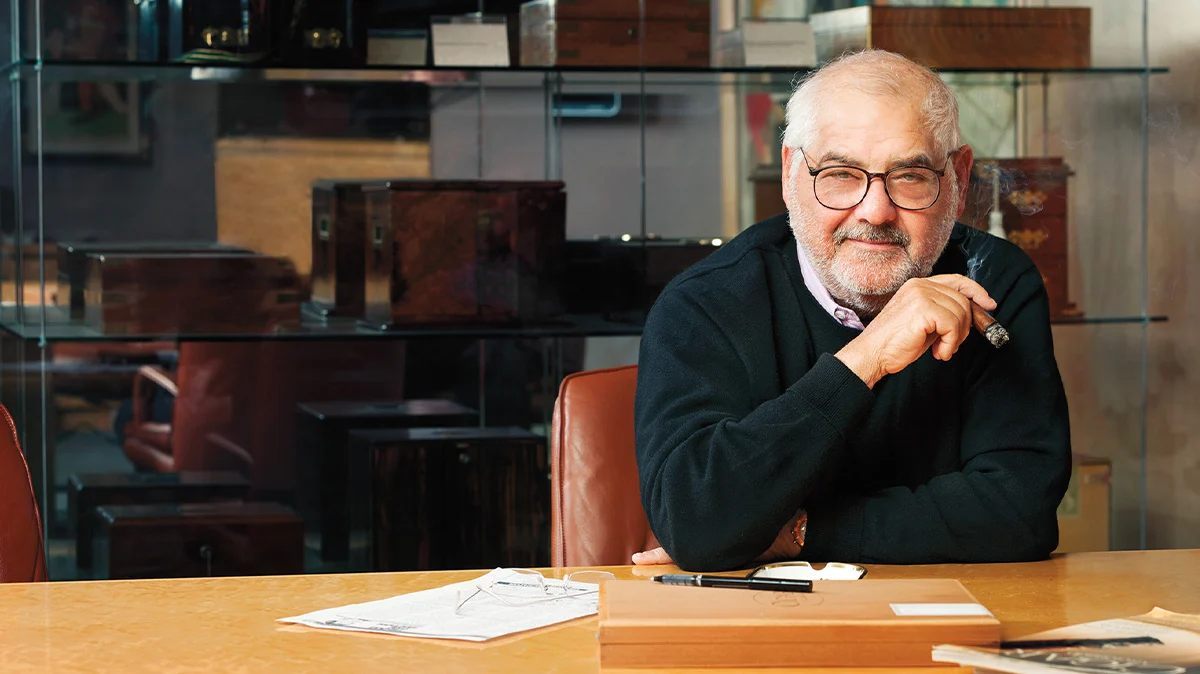
The passing of Marvin Shanken on October 29 at the age of 83 marked the end of an era for global publishing, fine wine connoisseurship, and luxury lifestyle journalism. As the visionary chairman and founder of M. Shanken Communications, Shanken did not merely report on the world of fine wine, spirits, and cigars; he actively reshaped how generations of enthusiasts experienced, consumed, and understood these artisanal crafts. Best known as the driving force behind Wine Spectator, Shanken transformed what was once a modest, regional California newsletter into a powerhouse glossy publication that ultimately penetrated mainstream American culture.
While millions of readers around the globe recognized his flagship magazine on newsstands, in doctors’ offices, or on living room coffee tables, Shanken’s broader portfolio—including Cigar Aficionado, Whisky Advocate, Market Watch, Shanken News Daily, and Impact Newsletter—exerted a profound, lasting influence on multiple multi-billion-dollar industries. His death has prompted widespread tributes from vintners, publishers, and journalists alike, solidifying his status as a titan of specialty publishing who legitimized the culture of gastronomy and viticulture in North America.
From a Niche Newsletter to a Cultural Phenomenon
The chronology of Shanken’s ascent in the publishing world is a testament to calculated risk and unwavering belief in print media. Long before the digital revolution upended traditional publishing, Shanken acquired Wine Spectator in 1979 when it was a struggling, California-focused biweekly tabloid with a meager subscriber base. Recognizing an untapped market of affluent consumers eager to learn more about the burgeoning American wine scene—particularly following the historic success of California wines at the 1976 Judgment of Paris—Shanken completely overhauled the publication.
He converted the tabloid into a vibrant, high-gloss magazine that combined rigorous tasting notes with lavish, travel-focused journalism. Rather than treating wine as an impenetrable, elitist subject reserved for the ultra-wealthy, Shanken championed a lifestyle approach. The magazine introduced readers not just to the scores of the bottles, but to the topography of the vineyards, the architecture of the estates, and the compelling human stories of the winemakers themselves. Under his leadership, Wine Spectator pioneered long-form wine journalism, proving that consumers possessed an appetite for deep dives into historic regions like Bordeaux, Burgundy, Napa Valley, and Rioja.
The Democratization of Taste and the Cult of the Winemaker

Before Shanken’s intervention, fine wine appreciation in the United States was largely viewed as an esoteric hobby for an insular upper class. Wine Spectator, alongside contemporary critical movements, played a pivotal role in democratizing the beverage. While Robert Parker famously popularized the 100-point scoring scale through his independent publication, Robert Parker’s Wine Advocate, Shanken’s Wine Spectator embedded scores within a rich cultural context that celebrated the entire ecosystem of wine production.
This editorial strategy birthed a brand-new phenomenon: the "superstar winemaker." Through decades of profiles, cover stories, and in-person events, Shanken helped elevate figures like Angelo Gaja, Robert Mondavi, and Jean-Charles Boisset from regional agriculturalists to celebrated cultural icons. Consumers no longer bought wine solely based on regional provenance; they sought out specific estates and winemakers whose philosophies resonated with them. This intimate connection between producer and consumer transformed marketing paradigms across the agricultural sector.
The New York Wine Experience and Live-Event Innovation
One of Shanken’s most enduring contributions to the wine industry was the establishment of the Wine Spectator New York Wine Experience. Launched in 1981, the annual multi-day event revolutionized how wine lovers interacted with producers. By gathering more than 250 of the world’s finest winemakers and winery owners under one roof to pour their highest-scoring selections, Shanken created an unprecedented forum for accessibility.
The event broke down traditional barriers between elite producers and casual consumers, fostering a community where everyday enthusiasts could converse directly with the architects of legendary vintages. This large-scale format blazed a trail for the modern wine-tasting industry, inspiring countless regional and national events that now populate the annual calendars of major American cities. The Wine Experience demonstrated that live experiential marketing could successfully complement print journalism, creating a symbiotic revenue and brand-loyalty model that few competitors could replicate.
Industry Tributes and the Defense of Print Media
In the wake of Shanken’s passing, leaders from the wine, spirits, and publishing sectors took to digital platforms to share their condolences and reflect on his monumental impact. The outpouring of grief and gratitude underscored the deeply personal relationships Shanken cultivated throughout his six-decade career.

Prominent French vintner Jean-Charles Boisset, whose family estates were frequently spotlighted in Shanken’s publications—beginning with a landmark 2003 cover story titled "France’s New Faces"—shared a heartfelt tribute on Instagram. "Marvin gave wine a voice," Boisset wrote. "He celebrated not only the wines, but the dreamers, the pioneers, and the passionate souls behind every bottle… Marvin had that extraordinary gift: he believed in people, championed dreams, and inspired generations to dare to achieve the impossible."
Winemaker Adam Lee similarly emphasized Shanken’s fierce dedication to physical media during an era dominated by digital contraction. "In a world increasingly willing to give up on print, Marvin kept making magazines," Lee noted on social media. "He started them, improved them, and put beautiful photographs and compelling stories into people’s hands. Into their homes. Onto their coffee tables, where someone might pick one up and discover something they hadn’t known they were interested in."
Implications for Modern Luxury and Wine Journalism
The legacy of M. Shanken Communications extends far beyond the circulation numbers of its flagship titles. By validating wine, spirits, and cigars as vital components of a sophisticated lifestyle, Shanken paved the way for contemporary luxury publications—including Robb Report—to integrate comprehensive beverage coverage into the broader conversation about fine living, travel, and high-end consumer goods.
Furthermore, Shanken’s insistence on maintaining editorial integrity and investing in expensive, long-form journalism set a high water mark for specialty publishing. At a time when media outlets increasingly rely on brief, aggregated content and algorithmic clickbait, Shanken’s career serves as an enduring reminder that audiences will engage deeply with well-researched, visually stunning, and thoughtfully curated stories.
As the global wine industry continues to evolve—navigating climate change, shifting demographic preferences, and digital commerce—the foundational vocabulary of appreciation built by Marvin Shanken remains intact. Whether a consumer is opening an accessible everyday bottle or uncorking a historic vintage, they do so within a cultural framework largely constructed by a publisher who believed that every bottle had a story worth telling. When wine enthusiasts around the world pour a glass in the coming days, they are not merely tasting fermented grapes; they are partaking in a modern ritual that Marvin Shanken spent a lifetime championing.
