


With nine games on the docket for this evening, the National Basketball Association schedule presents a compelling slate for sports analysts and observers alike. As the league navigates the early stages of the regular season, teams are beginning to settle into their rotations while betting markets adjust to the volatility of early-season performance data. This evening’s matchups, particularly the contest between the Minnesota Timberwolves and the Cleveland Cavaliers, along with the Golden State Warriors’ road trip to face the Denver Nuggets, offer a distinct look at how fatigue, injury management, and altitude factors impact high-stakes professional basketball.
Tactical Challenges for the Minnesota Timberwolves in Cleveland
The Minnesota Timberwolves arrive in Ohio following an explosive start to their 2023-2024 campaign. Having secured three consecutive victories, each by a margin of at least 22 points, the Timberwolves have established themselves as one of the most defensively disciplined teams in the Western Conference. Their most recent outing, a 117-94 victory over the Toronto Raptors, underscored a collective effort centered on defensive efficiency and transition scoring. Anthony Edwards, the team’s burgeoning superstar, anchored that effort with a 26-point performance.
However, the logistical reality of the NBA schedule creates a significant hurdle for Minnesota this evening. Competing in their second game in as many nights, the Timberwolves face a Cavaliers squad that has enjoyed the benefit of a 48-hour recovery period. The scheduling disparity is magnified by the health status of Anthony Edwards, who is currently listed as questionable due to a right knee issue. Clinical observations during Sunday’s game suggested visible discomfort, raising questions about whether the coaching staff will prioritize long-term health over a singular mid-October victory.
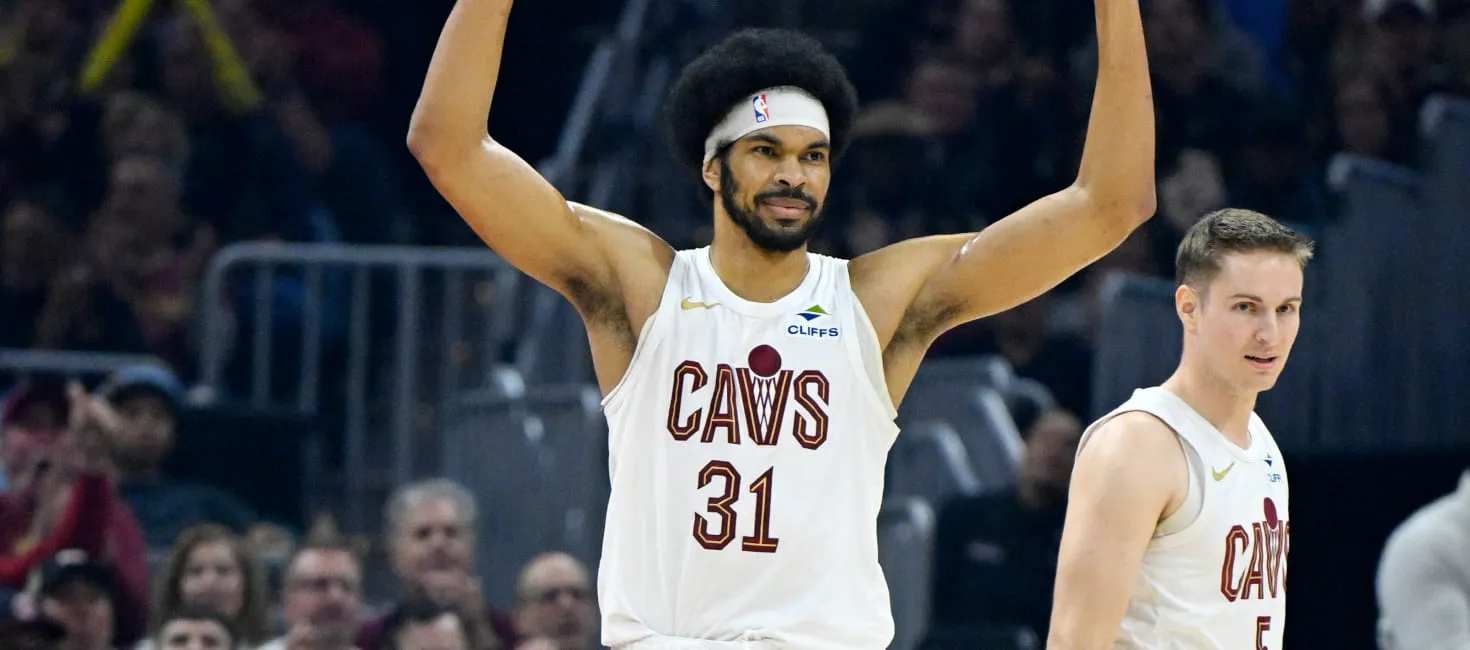
The Cleveland Cavaliers, conversely, enter the game with a 1-1 record and a desperate need for defensive consistency. Despite their win over the Brooklyn Nets on Saturday, the Cavaliers have struggled to maintain leads, surrendering significant double-digit advantages in both their season opener against Philadelphia and their most recent victory. With a core rotation featuring Donovan Mitchell, Evan Mobley, and Jarrett Allen, Cleveland possesses the interior presence and perimeter shooting required to exploit a fatigued Minnesota roster. Analysts anticipate that if Minnesota chooses to limit Edwards’ minutes or sit him entirely, the burden of scoring will fall on a depth chart that may struggle to replicate the intensity displayed in their previous three outings.
The Golden State Warriors at a Defensive Crossroads
In Denver, the atmosphere surrounding the Ball Arena will be particularly challenging for the Golden State Warriors. The Warriors have endured a tumultuous opening to their season, dropping three straight games while conceding an average of 123 points per contest. This defensive fragility has been exacerbated by injury reports and roster inconsistency. Saturday’s 131-122 loss to the Phoenix Suns highlighted a lack of cohesion, particularly in the paint and on the perimeter, where defensive rotations have been slow to materialize.
The return of Stephen Curry and Draymond Green provides a necessary offensive floor for the Warriors, but the absence of key rotational pieces—including Jimmy Butler, Moses Moody, and Kristaps Porzingis—leaves the team structurally vulnerable. The modern NBA game relies heavily on wing defense and switchability, two areas where the current Warriors lineup has shown significant regression.
The Denver Nuggets represent the ultimate litmus test for a struggling defense. Fresh off a 141-135 overtime thriller against the New Orleans Pelicans, the Nuggets demonstrated their offensive ceiling. Jamal Murray’s 42-point explosion, combined with Nikola Jokic’s signature triple-double (35 points, 15 rebounds, and 10 assists), illustrated a level of offensive chemistry that currently eludes the Warriors. The Nuggets’ ability to manipulate defensive spacing through Jokic’s playmaking at the high post is expected to be a primary point of friction for Golden State’s struggling backcourt.
Geographical and Physiological Factors in Altitude
Beyond the tactical matchups, the physical demands of playing in Denver remain a well-documented factor in professional basketball. The Mile High City’s altitude, situated roughly 5,280 feet above sea level, consistently impacts the physiological recovery of visiting athletes. For a Golden State team that has already played three high-intensity games in the season’s opening week, the thin air is expected to exacerbate fatigue in the second half of the game.
Historical data suggests that road teams playing in Denver often see a dip in shooting percentage as the game progresses, a trend that could prove fatal for a Warriors team already struggling to keep pace with high-scoring opponents. While Golden State maintains a reputation for offensive firepower, the lack of defensive resistance in transition suggests that they will struggle to contain the Nuggets’ high-tempo offense.

Statistical Context and Market Implications
The betting lines for this evening reflect these realities. The Cavaliers are currently positioned as 5.5-point favorites over the Timberwolves, a spread that accounts for both the "rest advantage" and the uncertainty surrounding Minnesota’s injury report. In the secondary matchup, the Nuggets are favored by 7.5 points over the Warriors. These figures indicate that oddsmakers are factoring in the defensive deficiencies of the visitors as a primary driver of the expected score differential.
For observers tracking these developments, the implications extend beyond the outcome of individual games. Early-season trends often solidify into organizational identities. If the Timberwolves fail to cover the spread, it will raise questions about their durability over a full 82-game season. Similarly, if the Warriors continue to leak points at their current rate, the front office may be forced to reconsider their defensive schemes or pursue roster adjustments earlier than anticipated.
Organizational Responses and Outlook
While official statements from team management remain focused on "taking it one game at a time," the internal pressure within both the Golden State and Minnesota locker rooms is palpable. Head coaches are tasked with the delicate balance of managing player workloads while ensuring that early-season losses do not become a trend that complicates playoff seeding in a competitive Western Conference.
The Denver Nuggets continue to operate with the confidence of a team that has mastered its identity. Their ability to overcome a 23-point deficit against New Orleans serves as a testament to their psychological resilience—a trait that is often the difference between a championship contender and a standard playoff team.
As the NBA moves toward the conclusion of the first month of play, the games on October 26 serve as a vital data point. The combination of scheduling congestion, altitude, and injury management creates a unique environment that separates teams that are merely talented from those that are prepared. Whether Cleveland can solidify its defensive identity or the Nuggets can continue to leverage their home-court dominance will be the central narrative arcs of the evening. For the betting public and basketball enthusiasts alike, these games offer a window into the long-term viability of the league’s top contenders as they navigate the rigorous physical and mental demands of the professional season.
