

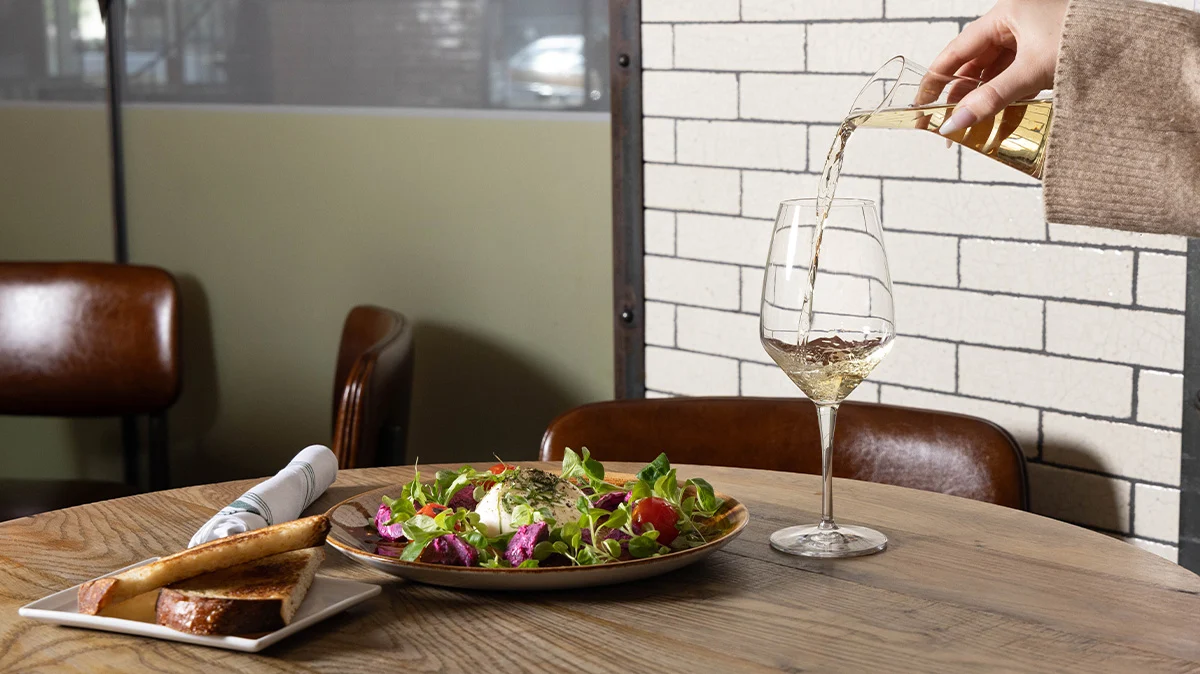
As the calendar turns and the brisk air of autumn begins to displace the lingering warmth of summer, culinary traditions undergo a predictable transformation. Menus shift away from the bright, acidic profiles of sun-ripened tomatoes and the charred notes of open-flame grilling, pivoting instead toward the earthy, comforting flavors of hearty stews, braised meats, game, pumpkins, squashes, and root vegetables. For generations, conventional culinary wisdom has dictated that this seasonal transition demands an immediate and wholesale departure from white wine. The traditional playbook insists that robust autumnal dishes require the structure, tannins, and warmth of heavy red wines.
However, top sommeliers, beverage directors, and fine-dining experts across the globe are increasingly challenging this rigid seasonal dogma. A growing movement within the fine-dining sector argues that the calendar should never dictate the glass. Instead of defaulting to heavy reds to match rich fall foods, industry professionals are championing structured, full-bodied, and textured white wines. These selections possess the weight, complexity, and tactile richness needed to stand up to braises and roasted vegetables, frequently outperforming reds by preventing heavy dishes from feeling overly dense on the palate.
The Shift from Traditional Seasonal Pairings
The historical preference for red wines during colder months is rooted in human physiology and culinary evolution. When temperatures drop, the human body naturally seeks calorie-dense fats for warmth and energy, driving a seasonal craving for rich proteins like steak, butter, roasted duck, and rich gravies. Traditionally, heavy red wines with high tannin levels were paired with these fatty foods because tannins bind to proteins, cleansing the palate after each bite.
Yet, modern culinary innovators argue that high-tannin reds can frequently clash with the delicate, earthy, and sweet characteristics that define autumn produce. Ingredients like truffles, wild mushrooms, squashes, and root vegetables often feature subtle earthiness and natural sweetness that can be overwhelmed or turned harsh by the aggressive structure of a red wine. Full-bodied white wines—particularly those crafted with skin contact, extended lees aging, or neutral oak influence—offer an alternative. They provide the necessary creaminess and mouthfeel to match rich proteins while maintaining a freshness and mineral backbone that preserves the nuanced flavors of autumn produce.

Global Perspectives from Top Sommeliers and Chefs
This philosophy is gaining traction in premier dining rooms worldwide. Dana Johnson, director of outlets at the InterContinental Buckhead Atlanta, notes that a wine with real weight and a touch of richness can handle braises and roasted vegetables just as effectively as a red, while keeping the plate from feeling overly heavy. At the InterContinental’s Americano, Johnson pairs a dish of truffled polenta and wild mushrooms with Pieropan La Rocca Soave Classico from Italy’s Veneto region. While many diners instinctively pair truffles with red wine, Johnson points out that the dish is soft, creamy, and earthy rather than gamy. A red wine would fight the truffle, whereas the volcanic soil of the Soave imparts a stony, saline minerality that complements the dish without introducing unwanted sweetness or fruitiness.
Similarly, when serving black cod with whipped cod spread and fennel-citrus spice, Johnson bypasses red wine entirely to avoid a harsh clash of tannins. Instead, she recommends a Gewürztraminer from Alto Adige, explaining that its spice and lush fruit meet the richness of the baccalà mantecato, while the dish’s citrus notes prevent the wine from feeling overly perfumed.
In Chicago, Regine Rousseau, senior sales advisor at Verve Wine, finds that starchy staples like sweet potatoes form the foundation of her autumn and winter diet. She pairs them with the 2022 Perez i Barbier Dido Montsant Blanco, a textural blend from northeastern Spain. According to Rousseau, the wine creates a synergy with the potato rather than competing against it. The wine’s texture mirrors that of the potato, while its oxidative component frames the food’s caramelized notes. Rousseau contends that the traditional segregation of white wine as refreshing and red as comforting stems from a fundamental misunderstanding of wine dynamics. Every wine, regardless of color, possesses a distinct energy and personality that should guide pairing decisions rather than superficial color categorization.
International Culinary Adaptations in Saint-Tropez and Aspen
This paradigm shift extends far beyond North American dining rooms. At Il Giardino, located within Hotel Byblos in Saint-Tropez, executive chef Nicola Canuti introduced a series of autumn-themed dishes in September, including an earthy risotto featuring pumpkin and red Sicilian shrimp. To accompany the dish, Canuti pours glasses of Marchese Antinori Tenuta Montenisa 2020 Donna Cora Satèn Franciacorta, a 100 percent Chardonnay from northern Italy. The wine’s bright acidity, citrus notes, and crisp apple profile act as a counterbalance to the richness of the plate. Canuti observes that both pumpkin and red shrimp carry natural sweetness, requiring a refreshing palate cleanser after each bite—a role that most red wines, with their potential for bitterness and added heaviness, fail to fulfill.

In the mountain town of Aspen, Colorado, Bosq wine director Nick Heileman navigates similar flavor profiles by pairing roasted duck breast and grilled potimarron squash—studded with puffed quinoa—with an aged Le Vieux Donjon Châteauneuf-du-Pape Blanc. Heileman acknowledges that duck is versatile enough to pair with either red or white wine, but the natural sweetness and creamy texture of the seasonal squash direct him toward a robust white. The dense texture of the aged white wine matches the bold flavor of the duck breast, while its stony minerality and white peach notes amplify the sweetness of the squash.
Technical Considerations: Balancing Acidity, Body, and Oak
Executing successful white wine pairings with heavy autumn dishes requires careful calibration. Kisong Mun, wine director at The Dearborn in Chicago, emphasizes the importance of balancing acidity, body, and fruit when pairing white wines with heavier fare. Excessive acidity can taste bitter, while over-fruitiness can register as artificial sweetness. To avoid these pitfalls, Mun favors white wines aged in neutral oak or those utilizing minimal new oak. Neutral barrels enhance texture and mouthfeel without masking delicate fruit and earth flavors. While Mun frequently pairs bone-in sakura pork milanesa with a high-acid, mineral-driven Vinho Verde, he ultimately champions individual preference, noting that diners should enjoy whatever combination brings them culinary satisfaction, even if it defies convention—such as pairing an oak-heavy Chardonnay with a ribeye steak.
Economic and Industry Implications
The growing appreciation for full-bodied white wines during colder months carries notable economic implications for the global wine industry. Historically, sales of white and sparkling wines experienced a pronounced dip during the fourth quarter, as consumer demand heavily shifted toward red wines for holiday gatherings and winter meals. By encouraging year-round appreciation for structured whites—such as aged Chardonnays, skin-contact Vermentinos, and complex blends from regions like Montsant, Alto Adige, and Châteauneuf-du-Pape—restaurants and retailers can help stabilize demand across diverse varietals.
This trend also benefits producers of premium white wines, who often face pricing pressures driven by the market perception that whites are meant for immediate, casual consumption. As sommeliers demonstrate that white wines can age gracefully and hold their own against complex, heavy proteins, consumer willingness to invest in high-end white bottles during colder seasons increases. Ultimately, this evolving approach to autumnal dining expands the creative boundaries of gastronomy, proving that great food and wine pairings rely on texture, weight, and harmony rather than outdated calendar rules.
