

The Federal Aviation Administration (FAA) is turning to artificial intelligence to address a persistent and severe national air traffic controller shortage that has strained commercial aviation across the United States. According to recent reports, the agency is preparing to roll out a massive, $875 million cloud-based software program designed to optimize airspace management, streamline air traffic workflows, and enhance overall flight safety.
The initiative, known as SMART—an acronym for Strategic Management of Airspace, Routes and Trajectories—represents one of the most significant technological investments in the modernization of the U.S. National Airspace System (NAS) in recent history. Developed by technology firm Air Space Intelligence, the system is slated to deploy over a 12-year period, beginning with initial implementations in the critical Washington, D.C., metropolitan airspace before expanding nationwide.
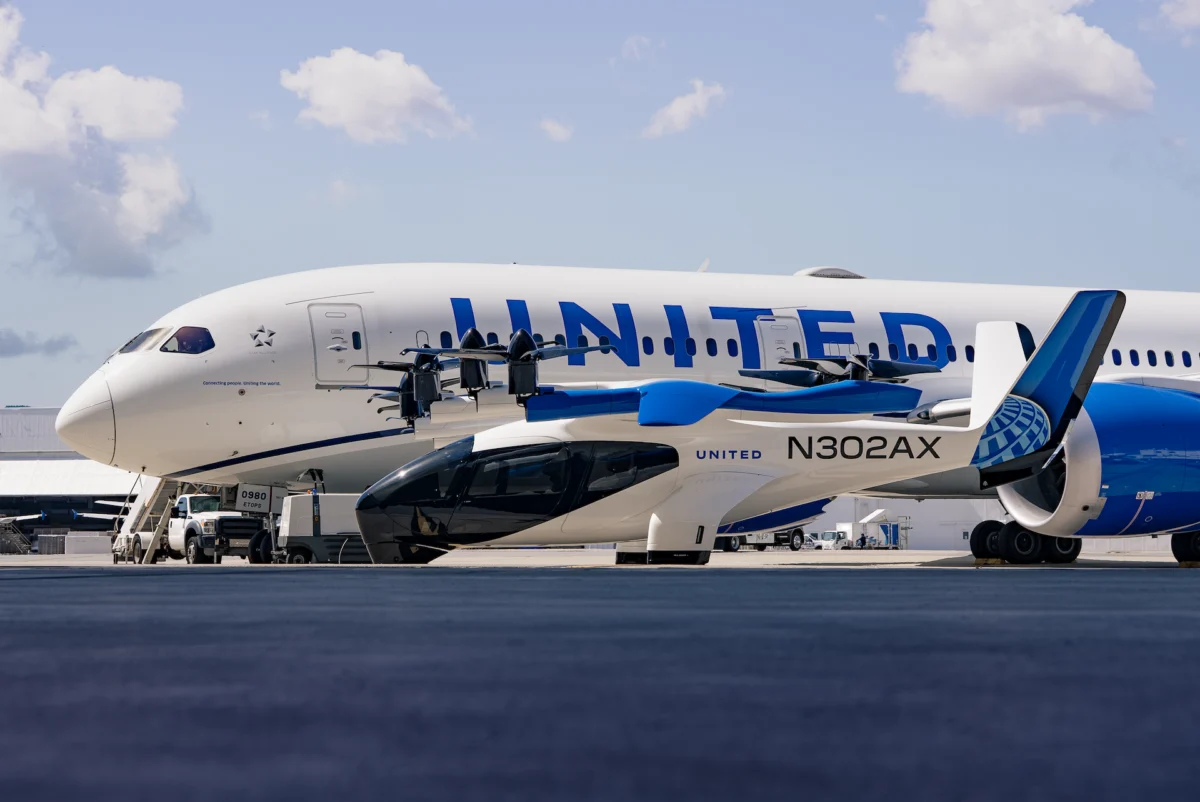
This aggressive technological pivot comes at a crucial juncture for American aviation. For years, the FAA has grappled with mounting pressure from lawmakers, airlines, and passenger advocacy groups over chronic understaffing within air traffic control facilities. By integrating advanced machine learning and predictive analytics into daily operations, the federal government hopes to mitigate human fatigue, reduce delays, and safely handle increasing volumes of air traffic as commercial and emerging sectors, such as electric vertical takeoff and landing (eVTOL) aircraft, prepare to enter the skies.
Understanding the Air Traffic Control Crisis
The root causes of the nationwide air traffic controller shortage are complex, systemic, and decades in the making. Government watchdogs, including the Government Accountability Office (GAO), along with economic policy institutions like the Brookings Institution, have extensively documented the vulnerabilities plaguing the nation’s air traffic control infrastructure.
At the heart of the issue is a stark demographic imbalance combined with stringent, highly selective hiring and training pipelines. A significant wave of retirements among veteran controllers has outpaced the agency’s ability to recruit and graduate qualified replacements. Training a certified professional air traffic controller is a notoriously rigorous process that can take up to three years per candidate, featuring high attrition rates at the FAA Academy and during on-the-job training phases.
Furthermore, existing controllers have frequently been forced to work mandatory overtime, six-day workweeks, and grueling rotating shifts. Industry experts and labor representatives have repeatedly warned that these demanding schedules not only contribute to burnout and low morale but also pose latent risks to aviation safety.
While thousands of applicants regularly apply for open positions through periodic FAA recruitment windows, bottlenecks in screening, medical evaluations, and academy capacity have historically constrained the pipeline. Recognizing that human recruitment alone cannot immediately solve the gap, federal aviation leaders have increasingly looked toward automation and artificial intelligence to bridge the operational deficit.
Inside SMART: The Mechanics of Next-Generation Airspace Management
The SMART platform is designed to function as an advanced cognitive co-pilot for human air traffic controllers, augmenting their decision-making capabilities rather than replacing them. According to official program documentation released by the FAA, SMART operates as a centralized, cloud-based platform that interfaces directly with existing air traffic management architecture.
The software utilizes sophisticated machine learning algorithms to continuously ingest, process, and analyze vast quantities of disparate operational data in real time. Key data streams integrated into the platform include:
- Comprehensive commercial and private airline schedules
- Hyper-local and national meteorological forecasts
- Real-time airport capacity and gate availability metrics
- Dynamic airspace conditions, military-restricted zones, and temporary flight restrictions (TFRs)
- Operational constraints imposed by equipment outages or runway maintenance
By synthesizing these variables, SMART is engineered to predict traffic flows proactively and identify potential flight path conflicts long before they materialize on a controller’s radar scope. Traditional air traffic management often relies on reactive intervention, where controllers detect and resolve separation conflicts as aircraft approach one another. SMART aims to shift this paradigm toward predictive traffic management, allowing controllers to issue pre-emptive routing adjustments that smooth out congestion bottlenecks before they cascade across the national network.
The $875 million financial commitment allocated for the program underscores the long-term strategic priority placed on digital transformation. Spread across a 12-year lifecycle, the contract with Air Space Intelligence encompasses software development, rigorous cybersecurity hardening, testing, deployment, and continuous iterative updates as airspace demands evolve.

Phased Rollout and Regional Integration Strategy
Rather than attempting an abrupt, nationwide transition—a high-risk proposition in an industry where zero margin for error is permitted—the FAA has adopted a measured, phased deployment strategy for SMART.
The Washington, D.C., metropolitan area has been selected as the initial testing and deployment ground. The region presents a uniquely challenging operational environment, characterized by dense commercial traffic flowing through major hubs like Ronald Reagan Washington National Airport (DCA), Washington Dulles International Airport (IAD), and Baltimore/Washington International Thurgood Marshall Airport (BWI), compounded by complex special use airspace surrounding the nation’s capital.
Following the initial validation and refinement phase in the D.C. terminal and en-route domains, the FAA plans to scale the software regionally. Subsequent rollouts will target high-density air traffic corridors and busy regional centers across the Northeast, Midwest, and West Coast, where delays traditionally ripple outward to impact the entire national aviation grid.
Broader Modernization Efforts and Legislative Context
The introduction of SMART does not stand in isolation; it forms a core pillar of a broader, multi-pronged federal strategy to overhaul aging aviation infrastructure. Decades of underinvestment, compounded by federal budget sequestration battles and intermittent government shutdowns, have left parts of the U.S. air traffic control network reliant on legacy hardware and software systems that are increasingly difficult to maintain.
Earlier this year, the FAA announced what leadership termed a "bold, new" air traffic controller hiring plan aimed at aggressively expanding the workforce pipeline and modernizing training methodologies. This recruitment initiative features modernized assessment tools, expanded recruitment outreach, and streamlined onboarding processes designed to remove historical administrative bottlenecks.
Concurrently, Congress and the Department of Transportation have pushed for accelerated capital investments in physical infrastructure, replacing outdated radar systems, communication relays, and terminal automation suites. The convergence of workforce expansion policies and heavy investments in artificial intelligence software like SMART reflects a comprehensive institutional recognition that the future of aviation safety depends on digital resilience.
Stakeholder Reactions and Industry Implications
Reactions from major aviation stakeholders—including commercial airlines, pilot unions, and controller associations—have been cautiously optimistic, balanced by a pragmatic insistence on rigorous safety validation.
Major airlines, which routinely suffer substantial financial losses when ground stops and air traffic management delays cascade through their hub-and-spoke networks, have largely welcomed technological interventions designed to optimize airspace capacity. Predictability is a primary driver of operational efficiency for carriers; tools that minimize airborne holding patterns and terminal delays translate directly to reduced fuel burn, lower operational costs, and improved schedule reliability for passengers.
Labor representatives for air traffic controllers have emphasized that while software automation holds immense potential to reduce cognitive overload during peak travel periods, human oversight must remain absolute. Controllers carry ultimate legal and operational responsibility for the separation of aircraft, and aviation unions have historically scrutinized any technological deployment that risks introducing false confidence or system latency. The FAA has repeatedly stressed that SMART is engineered as a decision-support tool rather than an autonomous control system, ensuring that human controllers retain final authority over all tactical routing decisions.
Looking ahead, the successful deployment of SMART could serve as a global benchmark for civil aviation authorities worldwide. As airspace density increases with the anticipated commercialization of advanced air mobility (AAM) markets—including electric vertical takeoff and landing (eVTOL) air taxis slated for urban deployments later this decade—traditional manual air traffic management frameworks will face unprecedented strain.
By embedding scalable, cloud-based artificial intelligence into the core of the National Airspace System, the FAA aims to future-proof U.S. skies, ensuring that capacity growth does not come at the expense of safety or punctuality.
