


The Women’s National Basketball Association (WNBA) officially resumes its regular season schedule tonight, marking the end of a hiatus necessitated by the FIBA Women’s Basketball World Cup. With the international tournament concluded, the league’s 12 teams return to their respective domestic schedules to navigate the final stretch of the season. The break, while providing a necessary recovery period for athletes, introduces a layer of tactical uncertainty for observers and analysts alike, as teams must quickly rediscover their offensive rhythm and defensive cohesion during a condensed return to play. Tonight’s five-game slate carries significant implications for playoff positioning, as several franchises remain locked in tight contests to secure favorable seeds for the postseason.
Contextualizing the Break and Tactical Implications
The FIBA Women’s Basketball World Cup serves as the pinnacle of international basketball, and its mid-season placement often forces a radical shift in team dynamics. For the WNBA, the break acts as a physical reset, allowing players to recover from the grueling pace of the regular season, which typically features back-to-back games and heavy travel schedules. Medical staff across the league have utilized this time to address nagging injuries, resulting in a rare level of league-wide health as teams return to the hardwood.
However, historical data suggests that the transition back to club play is rarely seamless. The cessation of competitive rhythm often leads to lower shooting percentages and defensive lapses in the first two games following a break. This phenomenon, often termed "post-break rust," is a critical factor for evaluators examining betting lines and team projections. Coaches have been tasked with balancing physical conditioning with tactical drills to ensure their rosters are prepared for the high-intensity, high-stakes games that define the final weeks of the season.
Connecticut Sun vs. Atlanta Dream: A Test of Offensive Efficiency
The matchup between the Connecticut Sun and the Atlanta Dream presents a compelling study in offensive struggle. Throughout the current campaign, the Sun have faced significant hurdles in maintaining a consistent scoring output. Averaging approximately 79 points per game, the team’s efficiency drops slightly when playing away from home. In their previous head-to-head encounters, the total scores reflected a defensive-oriented grind, with games finishing at 166 and 173 points respectively.
The primary concern for tonight’s matchup is whether the offensive malaise that plagued both teams prior to the break will persist. Given the necessity of recalibrating timing and spacing after an extended layoff, analysts are projecting a conservative offensive performance. With the total set at 168.5, the trend leans toward a low-scoring affair. The logic follows that until shooters regain their rhythm, defensive intensity—which relies more on individual effort and positioning than complex, coordinated offensive sets—will likely dominate the flow of the game.
Washington Mystics vs. Chicago Sky: The Playoff Push
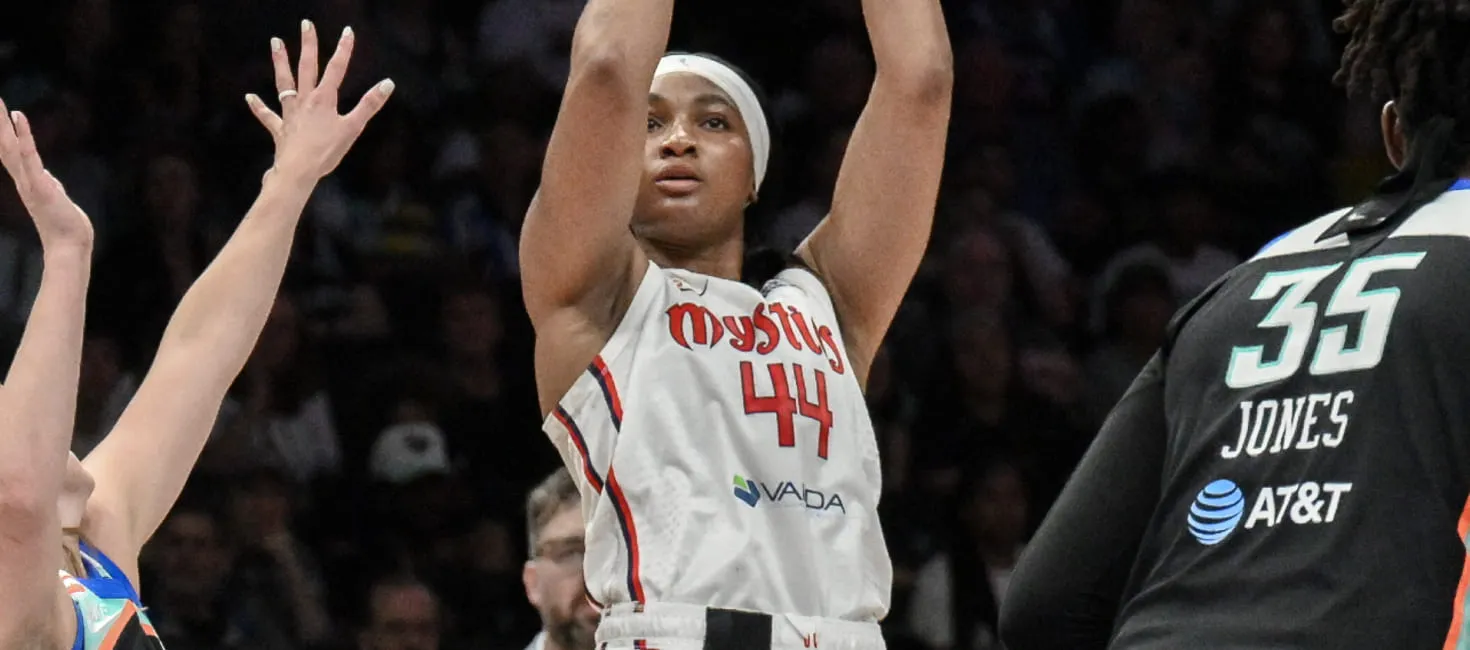
The Washington Mystics enter tonight’s contest in a high-stakes position, currently holding a 24-16 record. With the league’s standings tightly compressed at the bottom of the playoff bracket, every win carries profound weight for seeding. The Mystics have demonstrated resilience throughout the season, anchored by a defense that consistently ranks among the most effective in the league. Their ability to stifle opponents is expected to be the deciding factor against a Chicago Sky roster that has struggled to find consistency throughout the season.
Chicago, while mathematically eliminated from serious contention for the higher playoff seeds, continues to play for organizational pride and the development of their younger core. However, the motivation disparity is stark. The Mystics are fighting for a top-six seed, a position that would offer a more favorable path through the initial rounds of the playoffs. Statistically, Washington’s defensive consistency during the month of August provides a reliable foundation. Conversely, the Sky have struggled to generate efficient offense, averaging roughly 84 points per game. Given the urgency for Washington, the current point spread of 1.5 favoring the Mystics reflects a cautious expectation from oddsmakers, though the defensive discrepancy suggests a wider gap in quality than the numbers currently indicate.
Los Angeles Sparks vs. Dallas Wings: Managing the Pace
The Dallas Wings have spent the latter half of the season solidifying their identity as a defensive-first squad. Throughout August, the Wings limited opponents to an average of 84 points per game, a marked improvement compared to their early-season form. Their offense, while not explosive, has remained steady at 88 points per game.
In contrast, the Los Angeles Sparks have struggled significantly with rebounding and defensive rotations. These deficiencies often lead to second-chance points for opponents, a metric that has hampered the Sparks’ ability to close out tight games. The total line of 177.5 for this contest suggests that oddsmakers are accounting for both teams’ moderate offensive outputs. However, given the lack of rebounding prowess from the Sparks, the likelihood of extended possessions for the Wings is limited, potentially keeping the total score lower than the projected line. The expectation is that both teams will struggle to execute at a high tempo, as the physical toll of the return-to-play process impacts the ability to transition efficiently.

Chronology of the Season and Future Outlook
The WNBA season operates on a rigorous schedule that leaves little room for error. The mid-season break was preceded by a series of games that saw the top teams in the league—the Las Vegas Aces, New York Liberty, and Connecticut Sun—jostle for the top seed. The final weeks of the regular season will be defined by three key factors:
- Injury Management: While health is currently at a season high, the return to high-frequency games will test the depth of every roster.
- Schedule Density: Teams with back-to-back games in the final two weeks of the season will likely see their defensive metrics decline.
- Seeding Stakes: As teams like the Mystics fight to avoid the lower seeds, the intensity of defensive play is expected to increase, likely driving more games toward the "under" in betting projections.
Official statements from team coaches following practice sessions this week have emphasized "focus" and "re-acclimation." While players have maintained individual training regimens during the FIBA break, the collective synchronization required for high-level basketball—specifically defensive communication and screening actions—is something that can only be sharpened through live competition.
Broader Implications for the League
The resumption of the WNBA season is not merely a return to business; it is the kickoff of the most critical period of the professional calendar. For the league, the ability to maintain momentum following a high-profile international tournament like the FIBA World Cup is essential for sustaining fan engagement.
From an analytical standpoint, the data from these final weeks will be instrumental for teams preparing for the playoffs. Coaches are using these games to test rotations and evaluate player availability under pressure. Furthermore, the league’s increasing emphasis on defensive metrics reflects a broader trend in basketball, where efficiency and limiting opponent scoring opportunities are prioritized over raw offensive output. As the season winds down, the games tonight will serve as a bellwether for the quality of play expected in the postseason. With the standings as tight as they are, the WNBA is poised for a competitive finish that will test the endurance, tactical flexibility, and mental fortitude of the league’s premier athletes.
