

The opening session of the 2026 Keeneland September Yearling Sale concluded with a high-stakes flourish on Monday, September 14, as a colt by the prolific stallion Not This Time commanded a bid of $2.1 million. The standout yearling, cataloged as Hip 181, drew significant attention throughout the day, ultimately falling to the interests of J.S. Company Ltd. The transaction was finalized by Yoshito Yahagi, the world-renowned Japanese trainer best known for his masterful handling of Breeders’ Cup Classic champion Forever Young (Jpn). This purchase marks a significant acquisition for the Japanese racing industry, as the colt is slated for immediate export to Japan to begin his development.
A Pedigree of Proven Performers
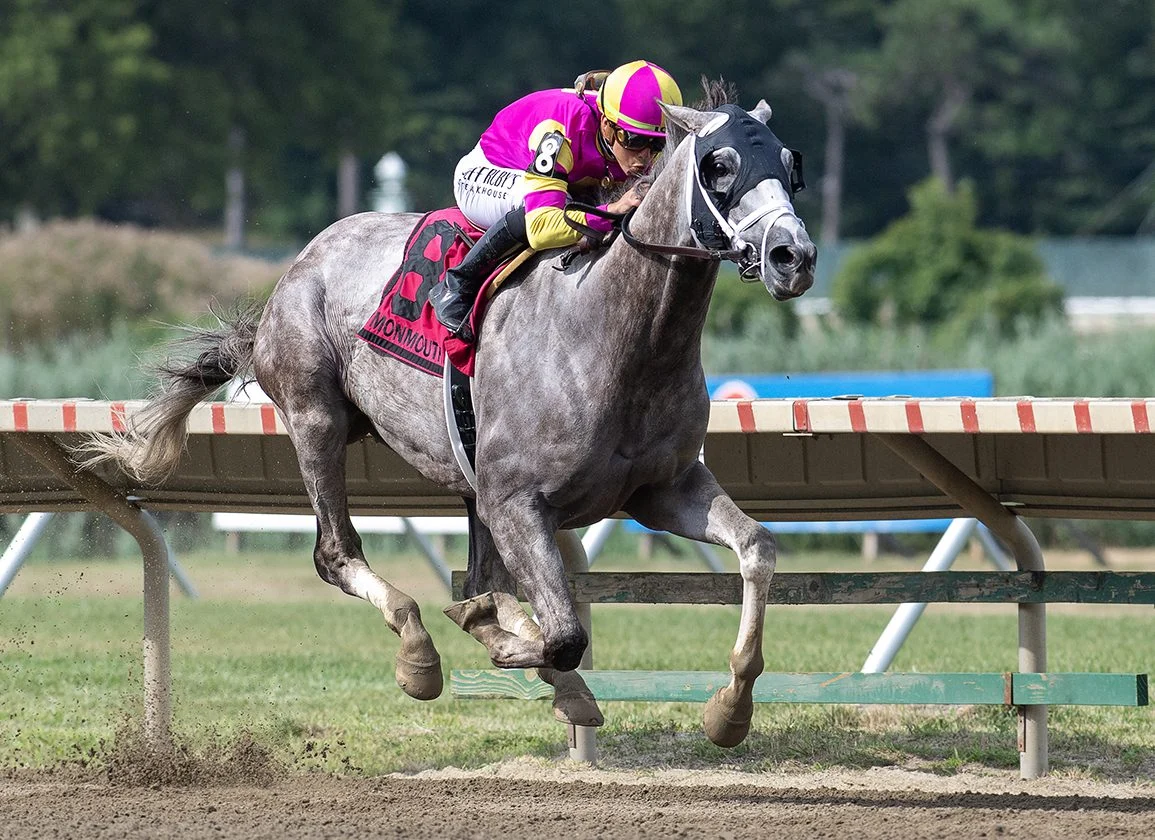
The colt, bred in Kentucky by Gainesway Thoroughbreds, possesses a pedigree that justifies the significant capital investment. He is a half-brother to the Grade I stakes winner Tapit Trice, a son of the legendary stallion Tapit who has established himself as a formidable force on the American dirt circuit. Beyond the immediate connection to Tapit Trice, the yearling’s pedigree is bolstered by his dam’s status as a half-sister to the champion 2-year-old filly Jaywalk, a daughter of Cross Traffic who captured the Breeders’ Cup Juvenile Fillies.
This lineage represents a potent blend of speed, stamina, and early precocity—traits highly valued in both the North American and Japanese racing landscapes. By sire Not This Time, who has ascended to the upper echelons of the stallion ranks through his ability to produce versatile, high-level runners, the colt stands as a prime candidate for top-tier international competition.
The Dynamics of the Book 1 Opener
The Keeneland September Yearling Sale is widely regarded as the global benchmark for the thoroughbred market, and the Book 1 sessions serve as a barometer for the health of the industry. Monday’s proceedings were characterized by a selective but robust appetite for elite bloodstock. With Hip 181 selling just two spots before the conclusion of the session, the high price point provided a dramatic crescendo to a day defined by competitive bidding from domestic and international buyers alike.
The sale of this specific colt highlights the ongoing trend of international investment in American-bred dirt runners. Yoshito Yahagi’s presence at the sales ring, and his decisive action in the final minutes of the session, underscores the growing appetite within Japan for American genetics that can succeed on the global stage. Having already proven his ability to bridge the gap between U.S. track configurations and the Japanese racing system with stars like Forever Young, Yahagi’s endorsement of this particular yearling is viewed by bloodstock agents as a high-confidence signal regarding the colt’s physical and genetic potential.
Insights from Yoshito Yahagi
Following the signing of the ticket, Yoshito Yahagi provided a brief but telling assessment of his latest acquisition. When asked about the decision to secure the colt at such a premium price, Yahagi noted, "A very nice pedigree and very nice conformation." His comments, while concise, reflect the primary criteria that drive high-end yearling auctions: the convergence of a proven, deep-rooted family tree and the physical development required to withstand the rigors of professional training. Yahagi’s confirmation that the colt would be exported to Japan immediately signals a strategic move to integrate the youngster into his training program, likely with an eye toward the prestigious Japanese dirt classics.
Market Implications and Industry Trends
The sale of Hip 181 for $2.1 million serves as an indicator of the continued resilience of the yearling market. Despite broader economic fluctuations, the demand for top-tier thoroughbreds remains inelastic, particularly for those with "black-type" pedigrees and impeccable physical traits. For Gainesway Thoroughbreds, the sale represents a successful validation of their breeding program, having produced a high-priced yearling that commands respect from global buyers.
The implication for the industry is clear: the internationalization of the bloodstock market is accelerating. Japan’s increasing success in major international races—such as the Breeders’ Cup, the Dubai World Cup, and the Saudi Cup—has emboldened Japanese trainers to aggressively pursue American-bred stock that exhibits the grit necessary for dirt racing. This shift not only impacts the price points at major auctions like Keeneland but also influences breeding patterns in Kentucky, as stallions are increasingly evaluated on their ability to produce progeny that fit the requirements of the global racing circuit.
Analyzing the Pedigree Power
To understand the market interest in this colt, one must look at the performance trajectory of the sire, Not This Time. Since entering the stud, he has consistently produced runners that demonstrate both longevity and class. His offspring have shown a propensity for early success, a crucial factor for buyers who intend to recoup their investments through juvenile stakes races.
Furthermore, the connection to Tapit Trice—who has been a consistent performer at the Grade I level—provides a "floor" for the colt’s potential value as a future stallion prospect. In the world of high-end bloodstock, the prospect of a horse’s second career in the breeding shed is often factored into the purchase price. Should this colt achieve success on the track in Japan, his value as a sire will be exponentially higher, particularly given his pedigree’s alignment with international preferences.
Chronology of a Successful Session
The Monday opener at Keeneland was marked by a steady pace, with the auction floor maintaining a high level of energy as the catalog progressed toward the evening hours. The late-session surge, led by the sale of Hip 181, served to solidify the day’s total gross and average figures. Historically, the Keeneland September sale has seen major transactions occur at various stages of the book, but the late-session excitement of Monday highlights the depth of the catalog provided by breeders like Gainesway.
The timeline for the colt is now shifting from the auction ring to the training track. Following the post-sale administrative processes, the yearling will likely undergo a standard quarantine period before being transported to Japan. This journey is a well-trodden path for many of the world’s finest thoroughbreds, and the logistics involved are handled by professional equine shipping agencies that specialize in moving high-value assets across continents.
Future Outlook
As the Keeneland September Yearling Sale continues, all eyes will be on whether this $2.1 million sale sets the tone for the remainder of the week. Analysts suggest that the strong demand for high-quality colts with proven, deep maternal lines is unlikely to wane. The success of this Not This Time colt serves as a benchmark for what buyers are willing to pay for perceived quality, and it reinforces the status of Keeneland as the primary venue for global thoroughbred trade.
For Yoshito Yahagi and his team, the work has only just begun. The transition from a yearling in a sales pavilion to a racehorse on the dirt tracks of Japan requires patience, precise conditioning, and a bit of luck. However, with the genetic foundation provided by his pedigree and the expertise of one of the world’s most successful trainers, this colt has every advantage as he begins his journey toward the starting gate. The industry will be watching closely, as the performance of this yearling in the coming years will likely influence future buying strategies and breeding trends across the globe.
