


After a significant surge in the national standings last week, the current record stands at 65-53 with an aggregate total of 604 confidence points. As the NFL season reaches its mid-point, the parity across the league continues to challenge bettors and analysts alike, necessitating a data-driven approach to navigating the Week 9 slate. This analysis evaluates the upcoming matchups based on team efficiency, historical performance trends, and recent tactical adjustments across the league.
The Mid-Season Landscape and Betting Dynamics
As the league enters the second half of the season, the distinction between playoff contenders and rebuilding franchises has crystallized. Through eight weeks, volatility in offensive production—particularly from teams struggling with quarterback consistency—has become the primary driver for point-spread movement. Market analysts and professional bettors have noted an increased reliance on defensive efficiency metrics to identify value in confidence pools, as teams with elite pass rushes or high turnover margins are proving more resilient than those relying solely on high-variance offensive schemes.
The BettingPros Smart Money tool continues to provide real-time tracking for line movement, offering a glimpse into how sharp money is shaping the landscape. By monitoring these fluctuations, participants in confidence pools can better calibrate their point allocations, moving away from subjective sentiment toward objective market consensus.
Analyzing the Week 9 Matchup Hierarchy
The following breakdown provides a systematic evaluation of each game on the Week 9 schedule, ranked by the level of confidence in the projected outcome.
Low-Confidence Tiers: Measuring Volatility
At the lower end of the confidence spectrum (1–5), the matchups feature teams currently undergoing significant transitional phases or those struggling with consistent execution.
The Cincinnati Bengals and Atlanta Falcons matchup represents a clash of struggling units. The Bengals have faced criticism for slow starts, often forcing them into high-stakes comeback scenarios that are unsustainable over a full season. Conversely, the Carolina Panthers, hosting the Denver Broncos, benefit from a rest advantage. Following Denver’s emotionally draining victory over the Kansas City Chiefs, market sentiment suggests a potential "letdown" performance, making the Panthers a tactical, albeit risky, selection.
In the New Orleans Saints versus Cleveland Browns game, the spotlight remains on the efficacy of the Browns’ quarterback play. Data trends suggest that the Saints’ defensive front is well-positioned to exploit the current limitations of the Cleveland offense. Meanwhile, the Green Bay Packers’ recent form—securing four victories in their last five contests—indicates a stabilization in their offensive rhythm, reinforcing their position against a New England Patriots team that continues to struggle with personnel consistency.
Mid-Tier Matchups: Systemic Advantages
Moving into the 6–10 confidence range, the matchups involve teams with more defined systemic identities. The Buffalo Bills remain a formidable force, though their upcoming game against the Minnesota Vikings underscores the league’s trend toward narrow margins of victory. Minnesota’s reliance on one-score game management has been statistically flagged as a vulnerability, which was further highlighted by their recent loss to the Detroit Lions.
The New York Giants’ strategic shift at the quarterback position has provided a necessary catalyst for their offense, creating a more cohesive system that is difficult to prepare for on short notice. When facing the Philadelphia Eagles, the Giants’ ability to execute a ball-control strategy remains the primary variable. Similarly, the Los Angeles Rams, despite a season of inconsistent output, maintain a higher defensive floor than the Washington Commanders, justifying their position in the middle tier of confidence rankings.
The Houston Texans and Los Angeles Chargers matchup highlights a significant shift in offensive philosophy. With the Chargers struggling to maintain offensive momentum, the Texans’ defensive unit, which has shown marked improvement in third-down efficiency, is expected to dictate the tempo of the game. Meanwhile, the Dallas Cowboys’ matchup against the Indianapolis Colts occurs as the latter enters a period of organizational restructuring. Historically, teams undergoing significant personnel fire sales experience a decline in on-field cohesion, making the Cowboys a statistically safer pick.
High-Confidence Tiers: Established Dominance
The upper echelon of the confidence pool (11–15) focuses on teams with clear talent disparities or proven track records of dominance. The San Francisco 49ers, having demonstrated superior depth compared to the Las Vegas Raiders, enter their matchup as a clear statistical favorite. The Raiders’ recent performance against the New York Jets showed improvement, yet the 49ers’ elite defensive metrics suggest they are equipped to neutralize the Raiders’ primary offensive threats.
The Jacksonville Jaguars present an interesting case. While their defensive capability against the Baltimore Ravens is a point of optimism, historical context regarding the volatility of young teams suggests caution. Nevertheless, the Jaguars’ defensive pressure rates are among the highest in the league, providing a stable floor for their victory projections.
The Kansas City Chiefs remain the gold standard in the 12th position, facing a Jets franchise that has historically struggled to bridge the gap against elite-tier opponents. The disparity in coaching experience and quarterback performance metrics creates one of the most lopsided projections of the week.

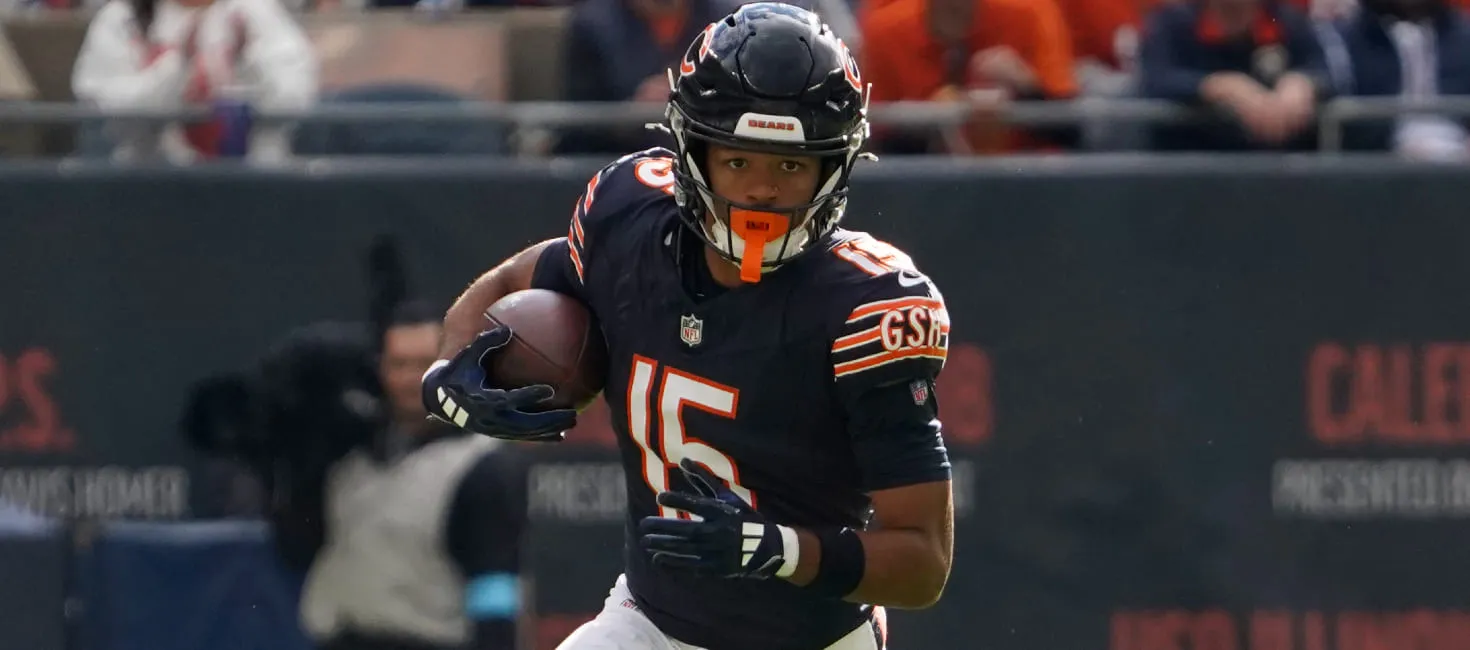
Rounding out the top selections, the Detroit Lions and Chicago Bears are expected to leverage their recent momentum. The Lions’ offensive firepower has proven capable of sustaining high-scoring drives against complex defensive fronts, while the Bears’ primetime victory over the Seattle Seahawks served as a statement regarding their evolving offensive maturity. Finally, the Seattle Seahawks are expected to bounce back in their home stadium against the Arizona Cardinals, a team that, while resilient, has struggled to maintain defensive discipline over four quarters.
Implications for the Season Ahead
The second half of the NFL season is historically defined by roster attrition and the adjustment of playbooks to account for late-season fatigue. Statistical models indicate that teams with high "Total EPA" (Expected Points Added) on defense generally outperform their counterparts in the final eight weeks of the regular season.
As the standings tighten, the focus of the league shifts toward injury management and depth utilization. For those participating in confidence pools, the strategy must pivot from identifying "good teams" to identifying "good matchups" where a team’s specific strength exploits the opponent’s primary weakness.
The current landscape suggests that the gap between the upper-tier playoff contenders and the bottom-tier rebuilding teams will continue to widen, particularly as salary cap constraints force lower-performing teams to evaluate younger, less experienced talent. For the astute observer, this creates opportunities to leverage historical data—such as home-field advantage statistics and rest-day differentials—to maintain a competitive edge in weekly pools.
As we look toward the remainder of the schedule, the primary objective remains the minimization of variance. By prioritizing games with the highest point spreads and the most reliable historical data, participants can continue to accumulate confidence points while mitigating the inherent unpredictability of the sport. The coming weeks will undoubtedly provide further clarity on which teams have the endurance to sustain their current trajectories into the postseason.
