

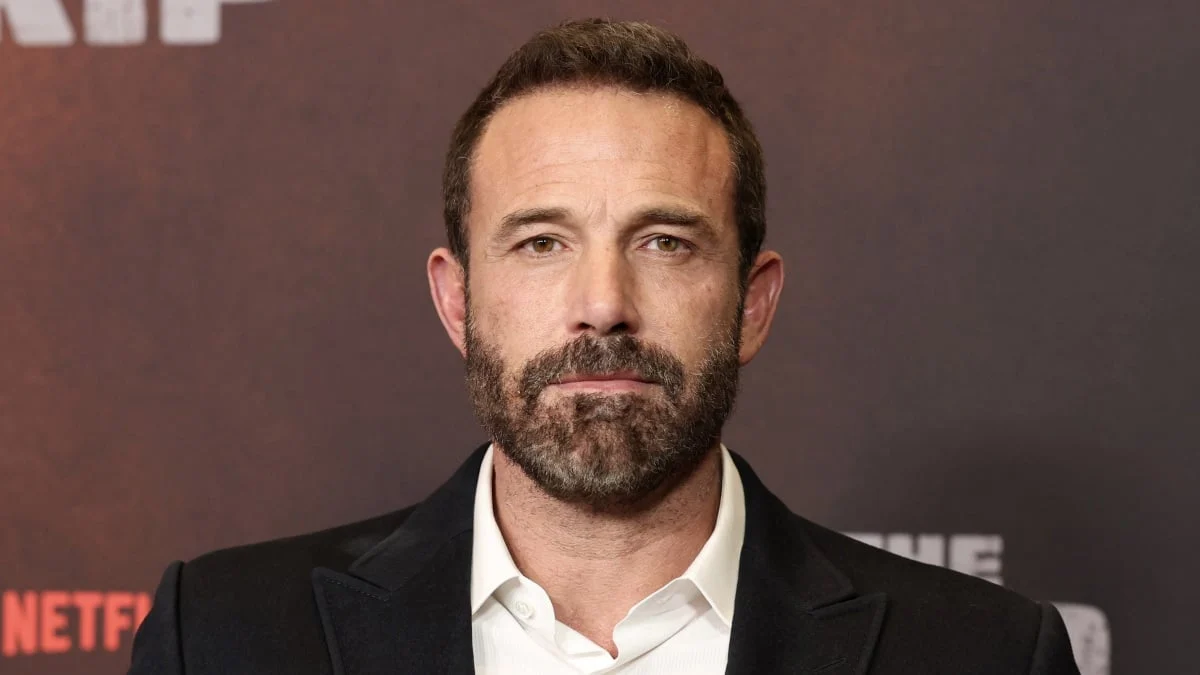
The streaming giant Netflix has officially disclosed the acquisition of InterPositive, an artificial intelligence startup founded by Academy Award-winning filmmaker Ben Affleck, for a total of $587 million in cash. The transaction, which was finalized in March 2026, represents one of the most significant investments in production technology in the company’s history. According to a Form 10-Q report filed by Netflix with the Securities and Exchange Commission (SEC), the payment was part of a broader strategic initiative to integrate advanced computational tools directly into the filmmaking process. While the SEC filing did not explicitly name the entity, the timing and the specific cash amount align with earlier reports regarding the InterPositive deal, which was publicly announced on March 5.
Industry analysts had previously speculated on the valuation of the startup, with Bloomberg reporting in early March that the purchase price could reach as high as $600 million. The final figure of $587 million underscores Netflix’s commitment to securing proprietary technology that could fundamentally alter the cost structure and creative workflow of its original programming. The acquisition signals a shift in the entertainment industry’s approach to artificial intelligence, moving away from generalized generative models toward "purpose-built" tools designed specifically for professional cinematic applications.
The Genesis and Vision of InterPositive
Ben Affleck founded InterPositive in 2022, a period marked by the rapid emergence of large language models and generative image synthesis. Unlike many tech entrepreneurs in the space who focused on text-to-video generation, Affleck sought to address the specific technical and creative limitations he observed as a director and producer. In a statement released alongside the acquisition announcement, Affleck noted that his observations of early AI production models led him to believe they were insufficient for high-level storytelling. He argued that for AI to be truly useful to artists, it must be designed to protect the nuances of performance and the integrity of the narrative process.
Affleck’s vision for InterPositive was rooted in "creator-led innovation." He emphasized that the company’s technology was not designed to generate content "from nothing" or through simple text prompting. Instead, the startup focused on creating bespoke models tailored to the specific needs of an individual film or series. This approach was intended to keep filmmakers at the center of the creative process, using AI as an augmentative tool rather than a replacement for human imagination.
Technical Capabilities and Production Efficiency
The core technology developed by InterPositive focuses on the post-production and physical production phases of filmmaking. According to technical briefings provided by the company, the tools build a unique digital model for each project. This model is then utilized throughout the post-production pipeline, specifically in areas such as sound mixing, color grading, and visual effects (VFX) integration.
By automating or streamlining these traditionally labor-intensive processes, the technology allows directors to focus more on the "in-the-moment" performances of their actors during principal photography. The goal is to reduce the cognitive and logistical load on the creative team, ensuring that technical constraints do not dictate artistic choices.
Supporting data regarding the economic impact of InterPositive’s technology was revealed in a 2024 patent application filed by Affleck. The documentation suggests that the implementation of these AI tools could lead to "substantial" savings across the production lifecycle. Specifically, the patent application outlined several key areas of cost reduction:
- VFX Expenses: A projected 50% reduction in visual effects costs through more efficient rendering and automated compositing.
- Production Schedules: A 20% reduction in the overall physical production and post-production schedule.
- Labor and Logistics: The potential to replace or significantly reduce costs associated with background artists (extras), splinter film units, and the need for expensive reshoots.
By creating digital environments and "digital doubles" that are indistinguishable from reality, the technology aims to minimize the need for large-scale physical setups for minor scenes, thereby cutting down on travel, lodging, and daily operational costs.
Strategic Context and Industry Implications
Netflix’s acquisition of InterPositive comes at a time when the global film industry is grappling with the ethical and economic implications of artificial intelligence. Following the 2023 labor strikes by the Writers Guild of America (WGA) and the Screen Actors Guild-American Federation of Television and Radio Artists (SAG-AFTRA), the use of AI in Hollywood has become a highly scrutinized topic.
Netflix’s decision to frame this acquisition as an investment in "creator-led innovation" appears to be a strategic move to alleviate concerns regarding the displacement of human workers. By positioning the technology as a tool for filmmakers—rather than a replacement for them—Netflix is attempting to bridge the gap between technological advancement and creative labor protections.
From a business perspective, the $587 million acquisition is a clear attempt to improve the operating margins of Netflix’s content division. As the company continues to spend billions of dollars annually on original content, any technology that can reduce production schedules by 20% or VFX costs by 50% represents a massive long-term financial advantage. This proprietary technology could give Netflix a significant edge over competitors like Disney+, Amazon Prime Video, and Apple TV+, who may still be relying on traditional, more expensive production pipelines.
Chronology of the Acquisition
The path to the March 2026 acquisition was paved by several years of development and strategic positioning:
- 2022: Ben Affleck founds InterPositive, focusing on the intersection of AI and film production.
- 2024: InterPositive files key patents detailing the potential for significant cost reductions in VFX and physical production.
- March 5, 2026: Netflix and InterPositive officially announce the deal, describing it as a partnership to empower filmmakers.
- March 11, 2026: Bloomberg reports that the deal’s value is estimated to be near $600 million.
- April 2026: Deadline reports on the specific technical claims made in the company’s patent filings, highlighting the 50% reduction in VFX costs.
- May 2026: Netflix’s Form 10-Q filing with the SEC confirms the cash payment of $587 million for a March acquisition, effectively confirming the price of the InterPositive deal.
Official Responses and Reactions
In the official announcement of the deal, Netflix leadership expressed high confidence in the integration of InterPositive’s team and technology. "We are investing in the future of storytelling," a Netflix spokesperson stated. "By bringing InterPositive into the Netflix family, we are ensuring that our creators have access to the most advanced tools available to bring their visions to life more efficiently and effectively."
Ben Affleck’s comments in a video released alongside the announcement further clarified the philosophical stance of the startup. "The goal was never to see how much we could automate, but how much we could enable," Affleck said. He emphasized that the technology was built "by filmmakers, for filmmakers," and that its primary purpose was to "represent and protect all the qualities that make a great story."
Industry reaction has been a mixture of curiosity and caution. While some producers have praised the potential for reduced budgets and faster turnaround times, labor advocates remain watchful. The ability of the technology to "replace" costs associated with background artists and splinter units is a point of particular concern for labor unions, who have spent the last several years negotiating for protections against AI-generated likenesses and automated production roles.
Broader Impact on the Cinematic Landscape
The integration of InterPositive’s technology into the Netflix ecosystem marks a turning point in the digitization of cinema. If the projected 50% savings in VFX and 20% reduction in production time are realized, it could set a new standard for the industry. Other major studios may be forced to either develop their own proprietary AI tools or seek partnerships with tech firms to remain competitive.
Furthermore, the focus on "bespoke" models for individual films suggests a future where every production has its own dedicated "AI brain"—a repository of data and stylistic preferences that helps maintain visual and auditory consistency throughout the project. This could lead to a higher level of technical polish for mid-budget films that previously could not afford high-end VFX or extensive post-production.
As Netflix begins to roll out projects utilizing InterPositive’s tools, the industry will be watching closely to see if the technology lives up to its promise of enhancing creativity while reducing costs. For now, the $587 million acquisition stands as a bold bet on the idea that the future of Hollywood lies at the intersection of human artistry and specialized artificial intelligence.
