


Statistical Framework for Dodgers vs. Reds
The matchup between the Los Angeles Dodgers and the Cincinnati Reds presents a compelling case study in pitcher dominance versus offensive stagnation. Yoshinobu Yamamoto, the Dodgers’ high-profile acquisition, has proven to be a pivotal factor in the team’s defensive rotation. In his most recent outing against the Reds, Yamamoto demonstrated clinical precision, navigating seven innings while allowing only three hits and a single earned run. His performance was anchored by an impressive 10-strikeout tally, a figure that highlights his ability to command the zone against a struggling Cincinnati lineup.
Statistically, the Reds have endured a challenging week, recording a batting average of just .199 over their last seven games. This offensive malaise is exacerbated by a high strikeout frequency, as the team has averaged nearly 10 punchouts per game during this stretch. Yamamoto’s proficiency is well-documented; he has surpassed the eight-strikeout threshold in each of his last five starts, establishing a consistent trend that favors an aggressive strikeout projection for this contest.
From the Dodgers’ perspective, the offensive outlook against Reds pitcher Rhett Lowder is more favorable. Lowder enters the game with a 1.53 WHIP and an opponents’ batting average of .273, metrics that suggest vulnerability against a disciplined Dodgers lineup. While the Dodgers have been moderate in their run production—averaging a .232 clip over the past week—the combination of Yamamoto’s sustained dominance and the disparity in starting pitching quality makes the Dodgers covering the -1.5 run line a statistically sound proposition. Furthermore, given the recent scoring trends for both clubs, the Under 8.5 total runs market offers value, as both offenses have shown significant inconsistency throughout the current cycle.
Analyzing the Yankees and Twins Dynamic
In the American League, the clash between the New York Yankees and the Minnesota Twins offers a distinct narrative centered on the contrast between elite starting pitching and offensive reliability. The Minnesota Twins have struggled significantly at the plate, currently posting an MLB-worst .189 batting average over the last five games. Having scored only 13 runs during that period, the Twins’ offensive output has reached a nadir that makes them vulnerable against high-caliber pitching.
Max Fried, the Yankees’ anchor, has been particularly effective in road environments. Across 10 road starts, Fried has maintained a 4-2 record with a 2.47 ERA and a .199 opponents’ batting average. His ability to suppress opposing hitters, combined with the Twins’ inability to generate contact, supports the case for the Yankees to cover the run line. While Bailey Ober has demonstrated competence at home—boasting a 5-1 record and a 3.16 ERA—the Yankees’ recent offensive resurgence, characterized by 34 runs over the last seven days and a .260 team batting average, suggests they possess the depth to overcome Ober’s home-field advantage.
Regarding strikeout props for this matchup, the data suggests a tempered outlook for Fried. Despite his overall success, Fried has recorded fewer than 4.5 strikeouts in three of his last four games, with the under hitting in four of his previous eight starts. The Twins, despite their low offensive output, have shown a surprising ability to avoid strikeouts, recording only 46 in their last five games. This lack of "whiffs" aligns with the projection for Fried to stay under his strikeout total.
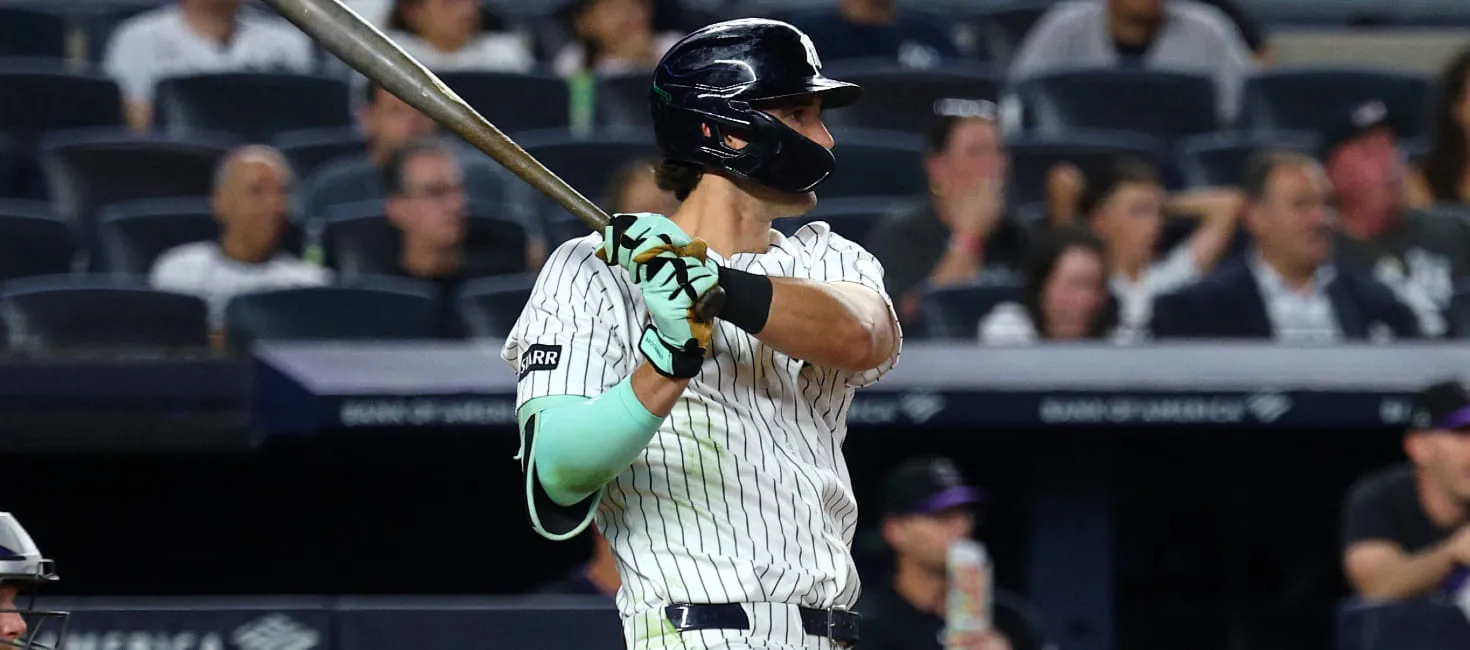
Conversely, Spencer Jones has emerged as a significant offensive engine for the Yankees. His recent form is notable, with base hits in seven of his last eight games and multi-hit performances in his three most recent contests. With eight instances of exceeding the combined runs, hits, and RBIs (RHB) total in his last 12 games, Jones remains a focal point for bettors evaluating player-specific props.

The Role of Advanced Analytics in Sports Betting
The proliferation of sports betting apps and integrated betting systems has transformed the way fans engage with Major League Baseball. By providing real-time alerts and access to over 21,000 betting systems, platforms like BettingPros have leveled the playing field for the average consumer. The ability to monitor line movements—such as a player’s strikeout prop shifting based on pre-game weather reports or lineup adjustments—is now an essential component of professional-grade wagering.
Market-based analytics, often referred to as +EV (Expected Value) betting, rely on identifying discrepancies between a sportsbook’s probability assessment and the actual statistical likelihood of an event occurring. In the case of the Dodgers-Reds parlay, the +443 odds reflect the cumulative probability of Yamamoto’s strikeout success, the run line outcome, and the total runs under. When these individual legs are modeled based on current pitcher form and team offensive trends, the resulting parlay offers a risk-reward profile that aligns with the broader betting market’s movement.
Broader Implications of MLB Scheduling and Player Fatigue
The current phase of the MLB season is marked by an increased focus on player health and load management, which directly impacts betting outcomes. As teams move toward the final stretch, the accumulation of innings for starting pitchers and the fatigue inherent in travel-heavy schedules become critical variables. Analysts often observe a "regression to the mean" for players who have performed exceptionally well in the early months of the season.
The strategic importance of the starting pitcher in the modern game cannot be overstated. With the decline in complete games and the rise of specialized bullpens, the first five innings of a contest often dictate the majority of betting outcomes. Both Yamamoto and Fried represent the archetype of the "workhorse" starter, whose ability to pitch deep into games provides a sense of predictability that is absent in matchups dominated by bullpen volatility.

Future Outlook and Betting Best Practices
As the league continues to evolve, the integration of data-driven decision-making will remain the standard for both organizations and the betting public. For the casual bettor, the primary objective remains identifying value while managing bankroll exposure. Betting on parlays requires a disciplined approach, as the increased volatility of multi-leg wagers can lead to rapid fluctuations in account balances.
Professional bettors typically advise a "unit-based" strategy, where no single wager represents more than 1% to 3% of the total bankroll. This approach, combined with the utilization of tools like line-tracking apps and historical database research, helps mitigate the risks associated with the inherent unpredictability of baseball. As Tuesday’s slate approaches, the focus remains on the intersection of individual player health, recent offensive trends, and the objective analysis of pitching matchups.
By prioritizing fact-based evaluation over emotional bias, participants can navigate the complexities of MLB wagering with greater precision. Whether analyzing the strikeout tendencies of a pitcher like Yamamoto or the offensive output of a hitter like Spencer Jones, the foundation of a successful betting strategy remains rooted in the rigorous study of available data and the disciplined execution of identified opportunities. As the season progresses, those who adapt to the shifting landscape of team performance and statistical trends will continue to find meaningful edges in the marketplace.
