
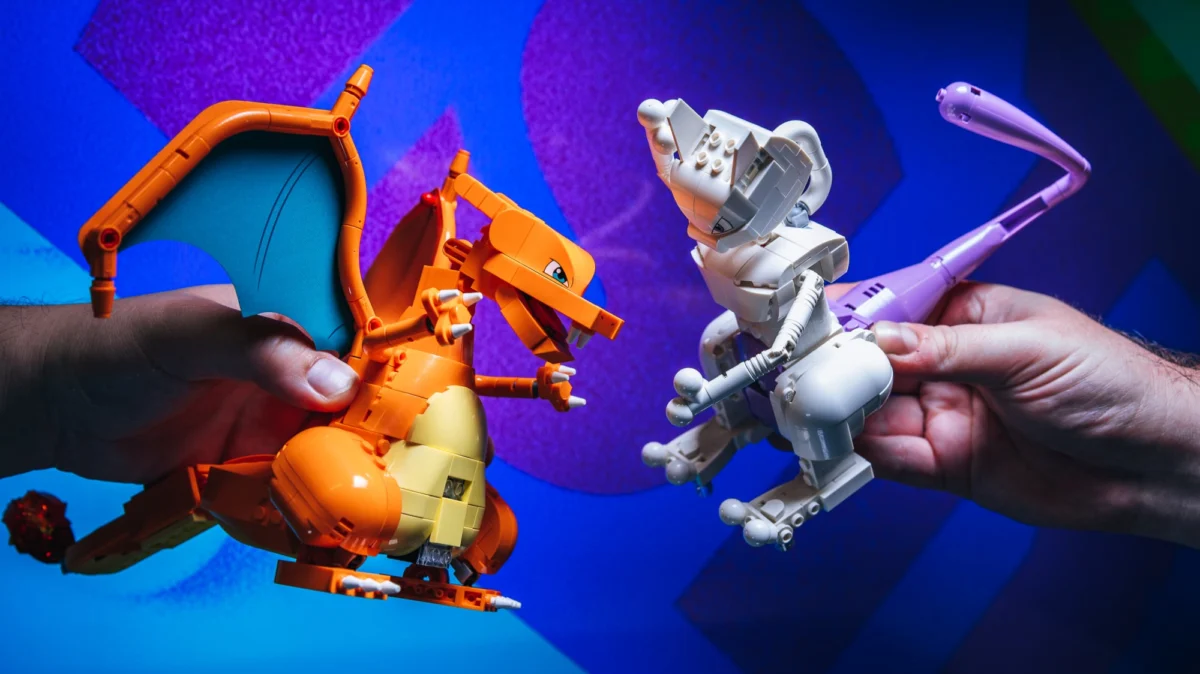
The LEGO Group has officially expanded its innovative Smart Play ecosystem with the release of the Pokémon Smart Play sets, a collection that integrates physical building with sophisticated electronic interactivity. Launched on August 1, these sets represent a significant leap in the company’s efforts to merge traditional tactile play with digital-style responsiveness. Unlike previous iterations of interactive LEGO products, the Pokémon line introduces a specialized "Battle Mode," allowing users to level up their creatures, engage in simulated combat, and utilize a range of sensors to trigger authentic character sound effects and light patterns.

The Evolution of the LEGO Smart Play System
The foundation of this new product line is the "Smart Brick," a hardware-dense 2×4 LEGO element that serves as the central processing unit for the sets. The technology was first unveiled to the public at the Consumer Electronics Show (CES) in 2026, where LEGO demonstrated a prototype capable of recognizing its orientation, movement, and proximity to other bricks.

Following a soft launch earlier this year with a Star Wars-themed Smart Play series, the Pokémon collection is designed to address consumer feedback regarding depth of play. While the Star Wars sets focused primarily on narrative sounds and light-up lightsabers, the Pokémon sets introduce a complex logic system. The Smart Brick houses an array of high-tech components, including:

- Three-axis Accelerometer and Gyroscope: Detects shaking, tilting, and rapid movements, which are translated into "attacks" or "dodges" during gameplay.
- Color and Magnetic Field Sensors: Allows the brick to identify specific "Smart Tags" embedded in various sets, such as a training station or a resting area.
- Microphones and Speakers: Enables voice-responsive interactions and high-fidelity audio playback of iconic Pokémon cries.
- LED Array: Provides visual feedback, such as health bars or elemental energy indicators.
To maintain the sleek profile of traditional LEGO builds, these components are miniaturized to fit within the standard dimensions of a LEGO brick. Each starter set includes a wireless charging pad, eliminating the need for disposable batteries and ensuring that the internal power cells can be replenished through the plastic casing via induction.

A Detailed Breakdown of the Pokémon Launch Lineup
The August 1 rollout includes a diverse range of products categorized into two tiers: "All-in-One Kits" that include the Smart Brick and charger, and "Smart Play Compatible" expansion sets designed for those who already own the core hardware.

Core Interactive Sets
The flagship of the launch is the Charizard vs. Jolteon Ultimate Battle Set. Priced at approximately $69.99, this set is designed to showcase the competitive aspects of the technology. It features two Smart Bricks, allowing for immediate head-to-head play. Users can "charge" Charizard’s Flamethrower attack by mimicking a flying motion, while Jolteon responds with electrical sound effects and light pulses.

The Training House with Pikachu serves as an entry point for younger builders. This set focuses on the "nurturing" aspect of the Pokémon franchise. It includes a hidden Murphy Bed feature; when a figure equipped with a Smart Brick is placed on the bed, the sensors trigger a "sleep mode," complete with snoring audio and dimmed LEDs.

Expansion and Accessory Sets
To encourage collection and customization, LEGO has released several smaller sets priced between $19.99 and $45.00. These include:

- Mewtwo’s Lab Break: A mid-tier set focusing on environmental interactivity.
- Trainer’s Buggy Adventure with Squirtle: Features a vehicle that triggers "engine" noises and movement-based sound effects.
- Charmander and Geodude’s Cavern Clash: A terrain-focused set with unique Smart Tags for battle environments.
- Eevee and Lapras’s Treasure Hunt: Includes water-themed audio cues and hidden discovery triggers.
- Berry Bash with Bulbasaur and Bidoof: Focuses on social interaction between different Pokémon species.
- Cubone and Gengar’s Spooky Showdown: Introduces "ghost-type" sound effects and low-light LED interactions.
Mechanics of Interactive Gameplay and Battle Mode
The defining feature of the Pokémon Smart Play series is the "Battle Mode," a structured play system that mimics the mechanics of the Pokémon video games. When two Smart Bricks are placed in proximity, they sync via a localized wireless protocol.

Players can "level up" their Pokémon by engaging in training exercises. For instance, moving a figure through a series of specific patterns recognized by the gyroscope adds "experience points" stored in the brick’s internal memory. This data persists even after the brick is powered down, allowing for long-term progression.

During a battle, the Smart Brick monitors physical movements to determine the success of an attack. Shaking the figure too vigorously might cause an attack to "fizzle out," encouraging precise and deliberate physical play. The inclusion of Smart Tags allows the environment to influence the battle; placing a Pokémon on a "Water Tag" might boost the stats of a Squirtle while weakening a Charmander.

Chronology of Development and Market Context
The journey to the Pokémon Smart Play sets began in late 2024 when LEGO’s Creative Play Lab started exploring ways to compete with the rising "Toys-to-Life" market and the increasing dominance of digital entertainment among children aged 6 to 12.

- January 2026: Official debut of the Smart Brick technology at CES. Industry analysts noted the potential for the technology to revitalize the physical toy market.
- March 2026: Launch of the Star Wars Smart Play line. While commercially successful, some critics pointed to a lack of interactive depth.
- June 2026: The London Launch Event for the Pokémon series. LEGO executives emphasized that the Pokémon IP was the perfect vehicle for the Smart Brick’s "leveling" and "social" capabilities.
- August 1, 2026: Global retail availability.
The collaboration with The Pokémon Company is a strategic move for the LEGO Group. Pokémon remains the highest-grossing media franchise in history, and its core loop of "Catch, Train, Battle" translates seamlessly into the Smart Play hardware’s functionality. By securing this partnership, LEGO is positioning itself as a leader in the "Phygital" (physical plus digital) space, a sector expected to grow significantly over the next decade.

Industry Implications and Strategic Analysis
The introduction of the Pokémon Smart Play sets reflects a broader trend in the toy industry toward "screen-free" digital engagement. Parents and educators have expressed growing concern over excessive tablet and smartphone use among children. LEGO’s Smart Play system offers a compromise: the high-tech feedback of a video game delivered through the medium of physical construction and imaginative play.

Financial analysts suggest that the pricing strategy for the Pokémon line—starting at $19.99 for compatible sets—is intended to lower the barrier to entry. By making the expensive Smart Brick a one-time purchase that can be swapped between multiple builds, LEGO creates an ecosystem that encourages repeat purchases. This "razor and blade" business model is common in tech but relatively new to the world of plastic building blocks.

Furthermore, the technology provides LEGO with valuable (and anonymized) data on how children interact with their sets. While the bricks do not require an internet connection for basic play, firmware updates can be delivered via a companion app, allowing LEGO to introduce new "moves" or sound effects long after the product has left the store shelf.

Future Outlook for the Smart Play Ecosystem
With the Pokémon sets now on the market, the LEGO Group has hinted at future expansions. Potential updates include "Gym Leader" sets that act as complex bosses for players to defeat, and the integration of the Smart Play system into other licensed themes.

The success of this launch will likely be measured by the adoption rate of the Smart Brick among the core AFOL (Adult Fans of LEGO) community as well as its primary target audience of children. If the Pokémon line meets sales expectations, it could signal a permanent shift in LEGO’s product philosophy, where electronics are no longer a niche "Technic" or "Mindstorms" feature but a standard component of the LEGO experience.

As of early August, initial retail reports indicate high demand for the Pikachu and Charizard-themed kits, with several regions reporting stock shortages within the first 48 hours of the launch. The LEGO Group has confirmed that production is being scaled to meet the anticipated surge in demand during the upcoming holiday season.
