

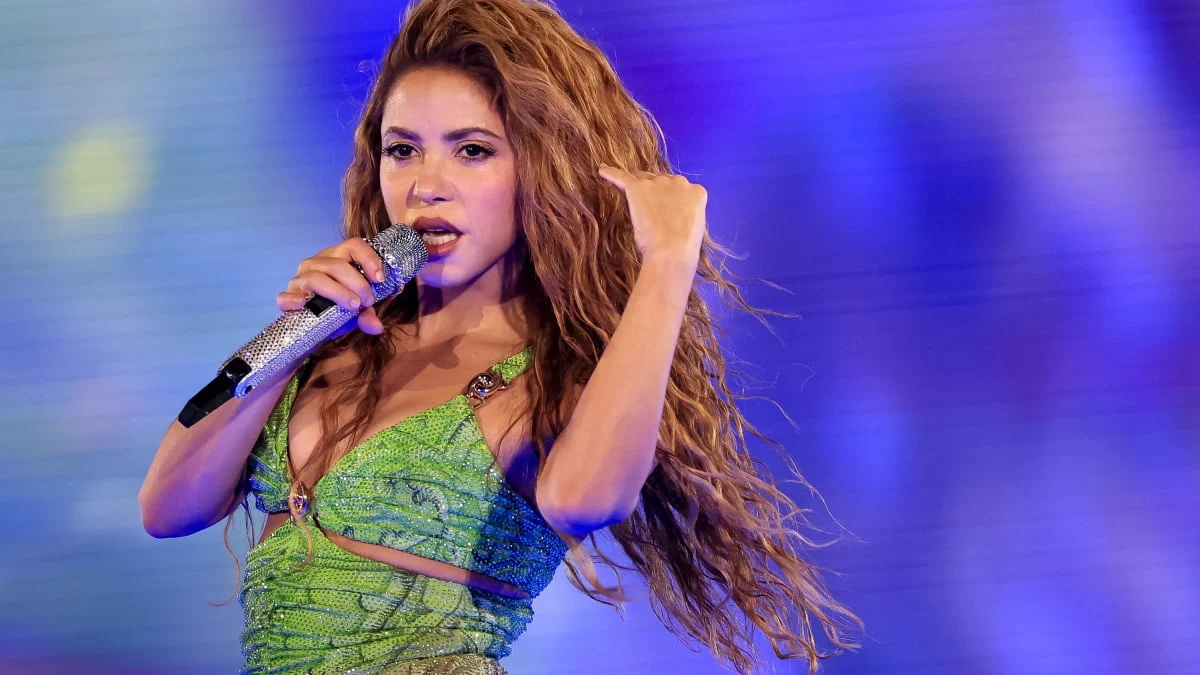
In a departure from decades of footballing tradition, FIFA has announced that the 2026 World Cup final will feature its first-ever "Super Bowl-style" halftime show, a move that signals a transformative shift in how the world’s most-watched sporting event is produced. The performance, scheduled for Sunday, July 19, at the New York New Jersey Stadium, will feature a star-studded lineup headlined by global icons Justin Bieber, BTS, Madonna, and Shakira. This high-octane musical production aims to bridge the gap between international sports and world-class entertainment, marking a significant milestone in the tournament’s history as it returns to North American soil.
The spectacle is being curated by Coldplay frontman Chris Martin and will feature an expansive roster of talent that reflects the global nature of the tournament. In addition to the primary headliners, the performance will include appearances by Nigerian Afrobeats sensation Burna Boy, world-renowned conductor Gustavo Dudamel, and the PS22 Chorus featuring Coldplay. In a nod to American cultural heritage and family-friendly entertainment, the show will also feature characters from Sesame Street and The Muppets. The collaboration represents a strategic partnership between FIFA and Global Citizen, aimed at merging global advocacy with the fervor of the World Cup final between Spain and Argentina.
Logistical Challenges and the Timing of the Spectacle
The World Cup final is scheduled to kick off at 3 p.m. ET. Under traditional circumstances, a football match consists of two 45-minute halves separated by a 15-minute interval. However, the introduction of a major musical production introduces significant logistical complexities. FIFA officials and broadcasters have indicated that the halftime show is expected to begin between 3:45 p.m. and 3:50 p.m. ET, though this remains subject to the flow of the match. Unlike American football, where the clock is stopped for commercial breaks and specific play sequences, association football utilizes a continuous clock, with "stoppage time" added at the end of each half to account for injuries and substitutions.
The performance itself is slated to last 11 minutes. However, the technical requirements of assembling and dismantling a massive stage on the pitch—while ensuring the grass remains in pristine condition for the second half of the world’s most important match—mean that the total interval will likely exceed the standard 15 minutes. Industry insiders suggest that broadcasters are preparing for a break that could last up to 30 minutes. This extension is necessary to accommodate the movement of hundreds of crew members, sound equipment, and pyrotechnics required for a show of this magnitude.
The Evolution of World Cup Entertainment
While musical performances have long been a part of World Cup opening and closing ceremonies, the 2026 final represents the first time a major entertainment event has been embedded directly into the halftime interval of the championship game. Historically, FIFA has kept the halftime break strictly focused on the athletes, allowing players time to recover and managers time to adjust tactics.
The decision to adopt a Super Bowl-style format is seen by many analysts as a response to the growing commercialization of sports and the desire to capture the attention of non-traditional football fans, particularly in the United States. Shakira, who is among the headliners, is no stranger to the World Cup stage, having performed "Waka Waka (This Time for Africa)" at the 2010 tournament in South Africa. Similarly, BTS and Justin Bieber bring massive, highly engaged fanbases that FIFA hopes to convert into long-term viewers of the sport.
Regulatory Tension and Player Welfare Concerns
The proposal to extend the halftime interval has not been without controversy. The International Football Association Board (IFAB), the body responsible for the Laws of the Game, has historically been protective of the 15-minute halftime limit. In 2021, a proposal to extend the break to 25 minutes was rejected due to concerns regarding player welfare. Medical experts and coaches have often argued that a prolonged period of inactivity can lead to muscle cooling, increasing the risk of injury when players return to high-intensity competition in the second half.
For the 2026 final, the stakes are at their highest. With Spain and Argentina competing for the trophy, the physical demands on the players will be immense. Traditionalists within the sport have voiced concerns that the "Americanization" of the World Cup prioritizes television ratings and advertising revenue over the integrity of the competition. Critics argue that the introduction of extended breaks and "hydration breaks" that serve as ad windows detracts from the rhythmic flow of the game.
The FIFA Global Citizen Education Fund
Beyond the entertainment value, the halftime show serves a philanthropic purpose. The event is the centerpiece of a fundraising drive for the FIFA Global Citizen Education Fund. This initiative aims to raise $100 million to expand access to quality education and sports programs for children in underserved communities worldwide.
According to official statements from FIFA, the fund has already secured over $50 million. A notable portion of this revenue comes from a self-imposed "soccer tax" where $1 from every ticket sold throughout the 2026 tournament is directed toward the fund. The halftime show is expected to act as a global "call to action," encouraging viewers to donate via digital platforms during the broadcast. This partnership with Global Citizen aligns with a broader trend of major sporting bodies integrating social responsibility into their flagship events.
Broadcast Infrastructure and Global Reach
The 2026 World Cup final is projected to be the most-watched television event in history, with an estimated global audience exceeding 1.5 billion people. In the United States, Fox holds the English-language broadcast rights, with coverage beginning at noon ET—three hours before the first whistle. Spanish-language coverage will be handled by Telemundo, with streaming available on Peacock.
The technical requirements for the broadcast are unprecedented. To ensure the halftime show is captured with the same cinematic quality as the Super Bowl, Fox and FIFA are deploying specialized camera rigs, including spider-cams and high-frame-rate units that are typically reserved for the action on the pitch. For international viewers, the halftime show will be integrated into the standard feed, ensuring that the message of the Global Citizen Education Fund reaches every corner of the globe.
Strategic Implications for the North American Market
Hosting the World Cup across the United States, Mexico, and Canada provides FIFA with a unique opportunity to solidify football’s presence in the North American market. By adopting elements of the Super Bowl—the most successful sporting broadcast model in the U.S.—FIFA is leaning into local consumer habits. The New York New Jersey Stadium, known domestically as MetLife Stadium, was selected for the final specifically because of its capacity and its experience in hosting large-scale events, including Super Bowl XLVIII.
Economic impact reports suggest that the 2026 World Cup could generate billions of dollars in revenue for the host cities. The inclusion of a halftime show of this caliber increases the "event status" of the final, potentially driving up the value of 30-second advertisement spots, which are expected to rival those of the NFL’s championship game.
Chronology of the 2026 World Cup Final Matchday
The schedule for Sunday, July 19, is meticulously planned to balance the needs of the athletes with the requirements of the international broadcast:
- 12:00 p.m. ET: Pre-game coverage begins on Fox and Telemundo, featuring analysis of Spain and Argentina’s paths to the final.
- 2:30 p.m. ET: Opening ceremony activities begin on the pitch, including the presentation of the national anthems.
- 3:00 p.m. ET: Kickoff of the FIFA World Cup 2026 Final.
- 3:45 p.m. – 3:55 p.m. ET (approximate): End of the first half and the start of the halftime show.
- 4:15 p.m. – 4:25 p.m. ET (approximate): Second half kickoff, following the removal of the stage and a brief warm-up period for the players.
- 5:00 p.m. ET: Scheduled conclusion of regulation time (subject to stoppage time and potential extra time/penalties).
Conclusion and Future Outlook
The decision to feature Justin Bieber, BTS, Madonna, and Shakira in a halftime show curated by Chris Martin represents a bold gamble for FIFA. It is an attempt to modernize the sport’s image while leveraging the massive commercial potential of the North American entertainment industry. While purists may continue to debate the merits of a 30-minute halftime break, the potential for raising $100 million for global education provides a powerful justification for the change.
As the world turns its eyes to New York and New Jersey this July, the success of this halftime show will likely determine whether this format becomes a permanent fixture of future World Cups. If the production manages to captivate the global audience without compromising the performance of the athletes on the pitch, it could mark the beginning of a new era where the World Cup final is as much a cultural festival as it is a sporting competition. For now, fans of both football and music are bracing for a Sunday afternoon that promises to be unlike any other in the history of the "beautiful game."
