

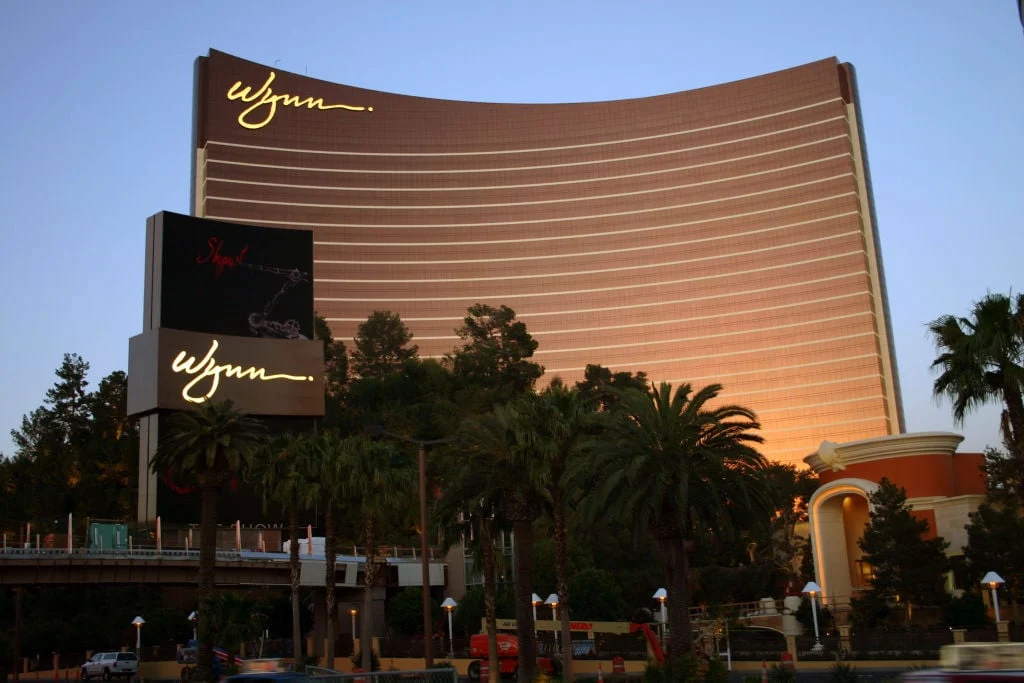
The landscape of institutional gaming investments underwent a notable shift during the third quarter as Baron Capital’s Baron SMID Cap ETF (NYSE: BSCM) completely liquidated its holdings in luxury casino operator Wynn Resorts (NASDAQ: WYNN). The high-conviction growth fund, managed by Laird Bieger and Randy Gwirtzman, pivoted its capital away from the hospitality giant to establish a fresh position in casual dining chain Texas Roadhouse (NASDAQ: TXRH).
The exit from Wynn Resorts leaves the BSCM portfolio entirely devoid of traditional gaming equities, signaling a strategic tactical re-allocation within the fund’s broader consumer sector exposure. While portfolio managers did not explicitly isolate Wynn Resorts for underperformance in their quarterly communication to shareholders, the overarching rationale highlighted a broader thesis favoring high-growth, high-quality consumer equities that are currently trading at trough valuations.
The decision to sever ties with Wynn Resorts marks a sharp pivot from the asset manager’s posture just a year prior, when the firm championed the casino operator as an undervalued asset with substantial upside potential. As financial markets navigate shifting macroeconomic currents, fluctuating consumer discretionary spending, and changing geopolitical landscapes, institutional re-allocations of this magnitude offer a clear window into how seasoned portfolio managers are positioning their portfolios for the future.
Chronology of the Investment: From High Conviction to Complete Exit
To understand the weight of Baron Capital’s recent maneuvers, it is necessary to examine the timeline of its relationship with Wynn Resorts. The trajectory began in earnest during the second quarter of 2025, when Baron Capital initiated a bullish stance on Wynn, incorporating the stock into the Baron Discovery Fund. At the time of its inclusion, portfolio managers pointed to severe market headwinds—specifically tariff-related tumult that had heavily shorted and suppressed valuations across S&P 500 consumer names—as an ideal entry point.
During mid-2025 commentary, the firm asserted that Wynn Resorts possessed the fundamental catalysts to potentially double its share price over a five-year horizon. Furthermore, Baron flagged the company as a prime target for a potential corporate acquisition, emphasizing that public markets were failing to adequately price in the massive long-term value expected to be generated by Wynn’s upcoming integrated resort project in the United Arab Emirates (UAE). By September 30, 2025, the gaming stock commanded a 1.3% weighting within the Baron Discovery Fund portfolio.
However, the investment thesis faced persistent macro and stock-specific headwinds. Over the trailing 12-month period leading up to the third-quarter divestment, Wynn Resorts shares experienced a steep downward trajectory, sliding roughly 31.7%. As an actively managed, non-index-constrained vehicle, the Baron SMID Cap ETF maintains the operational flexibility to swiftly cut underperforming assets and recycle capital into more compelling tactical opportunities. By the close of the third quarter, this flexibility culminated in the total liquidation of the Wynn position and the immediate redirection of funds into alternative consumer plays like Texas Roadhouse.
Portfolio Strategy and Managerial Commentary
The rationale behind the portfolio adjustments was detailed in a letter to ETF shareholders authored by portfolio managers Laird Bieger and Randy Gwirtzman. While omitting specific critiques of Wynn Resorts’ operational metrics, the managers outlined a sweeping optimism regarding targeted sectors, including aerospace, defense, and consumer discretionary equities.
“We are very excited about the prospects for all of our portfolio investments. In particular, we believe that our aerospace investments should recapture lost multiples once conditions normalize in the Middle East,” Bieger and Gwirtzman wrote to shareholders. They further elaborated on the defense sector, noting that equities in this space were heavily undervalued and primed for a rebound following the clarity provided by the November midterm elections.
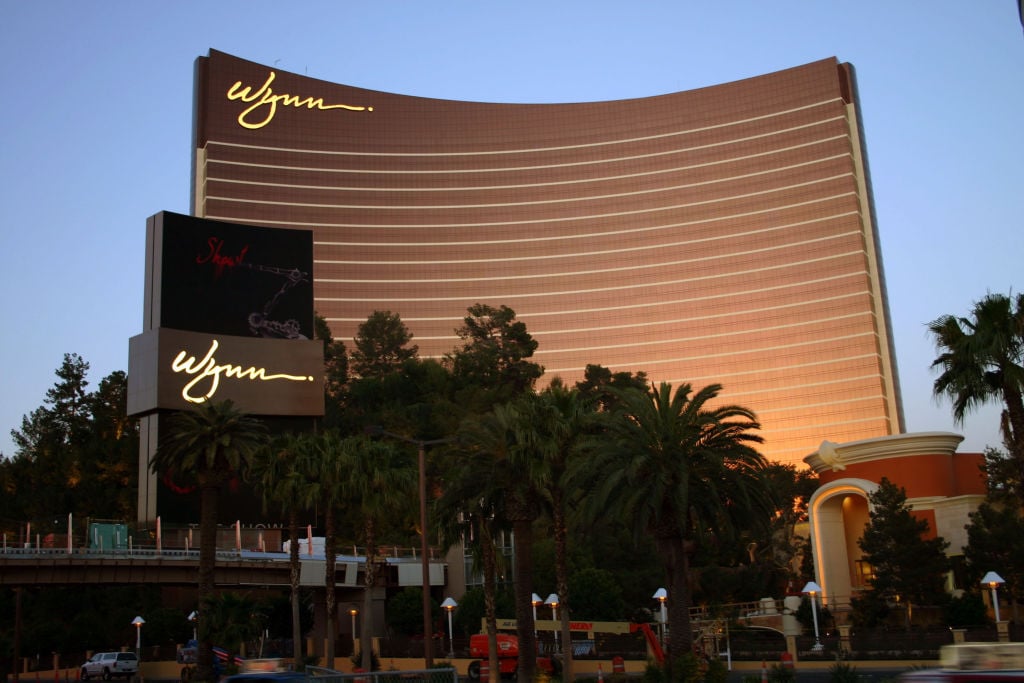
Addressing the consumer discretionary segment directly, the portfolio managers emphasized that the prolonged sell-off across consumer stocks had reached an overextended phase. In their view, current market conditions represent a unique, generational window to accumulate shares in high-growth, high-quality consumer enterprises that are currently trading at cyclical trough valuations. The substitution of Wynn Resorts with Texas Roadhouse directly reflects this philosophy, prioritizing steady, domestic restaurant foot traffic and consistent cash flows over the high-beta, tourism-dependent revenue streams characteristic of global destination casino resorts.
Broader Institutional Context and Remaining Casino Exposure
Despite the complete removal of gaming equities from the Baron SMID Cap ETF, Baron Capital as a broader asset management firm has not entirely abandoned the casino and hospitality sector. The firm maintains selective, long-standing exposure through other investment vehicles within its product family.
Most notably, the flagship Baron First Principles ETF (NYSE: RONB) continues to maintain a notable 2.27% allocation to Red Rock Resorts (NASDAQ: RRR). Founder and legendary investor Ron Baron, alongside his analytical teams, has historically expressed strong, constructive convictions regarding Red Rock Resorts’ strategic capital allocation, particularly its continuous reinvestment in marquee, locals-focused casino-resorts across the Las Vegas valley. While destination-dependent international operators like Wynn face complex headwinds tied to global tourism recovery, regional operators focusing on suburban drive-in markets have historically garnered different valuation metrics from growth-oriented institutional buyers.
The divergence between the handling of Wynn Resorts and Red Rock Resorts highlights a granular, stock-specific approach by Baron Capital rather than a blanket rejection of the gaming industry as a whole.
Market Implications and Analyst Perspectives
The exit of an institutional heavyweight like Baron Capital from a high-profile name like Wynn Resorts carries noteworthy implications for investor sentiment. When actively managed growth funds divest from luxury consumer and hospitality assets, it often prompts sell-side analysts to re-evaluate near-term consensus targets.
Wynn Resorts continues to navigate a complex operating environment characterized by the ongoing maturation of its Macau properties through varying regulatory and economic cycles, alongside the heavy capital expenditures required for its ambitious international expansion in Ras Al Khaimah, UAE. While management remains confident in the multi-year value proposition of the UAE integrated resort—projected to be a major first-mover advantage in the region’s burgeoning legalized gaming market—short-term institutional patience appears to have worn thin among certain growth-at-a-reasonable-price (GARP) managers.
Conversely, the rotation into Texas Roadhouse underlines a broader preference among small- and mid-cap growth managers for resilient, cash-generative business models capable of weathering inflationary pressures and shifting consumer spending habits. Texas Roadhouse has consistently demonstrated robust same-store sales growth and pricing power, traits that institutional investors increasingly prize over capital-intensive, economically sensitive luxury entertainment models.
As the financial markets close the books on the third quarter, the strategic choices made by the Baron SMID Cap ETF serve as a case study in active portfolio rotation. By severing ties with a lagging gaming asset and deploying capital toward high-conviction consumer growth stories, Bieger and Gwirtzman have positioned their fund to capture what they calculate to be the most lucrative upside vectors for the remainder of the market cycle. Whether Wynn Resorts can eventually reclaim institutional favor will largely depend on the execution of its international pipeline and the stabilization of high-end discretionary travel demand in the quarters ahead.
