

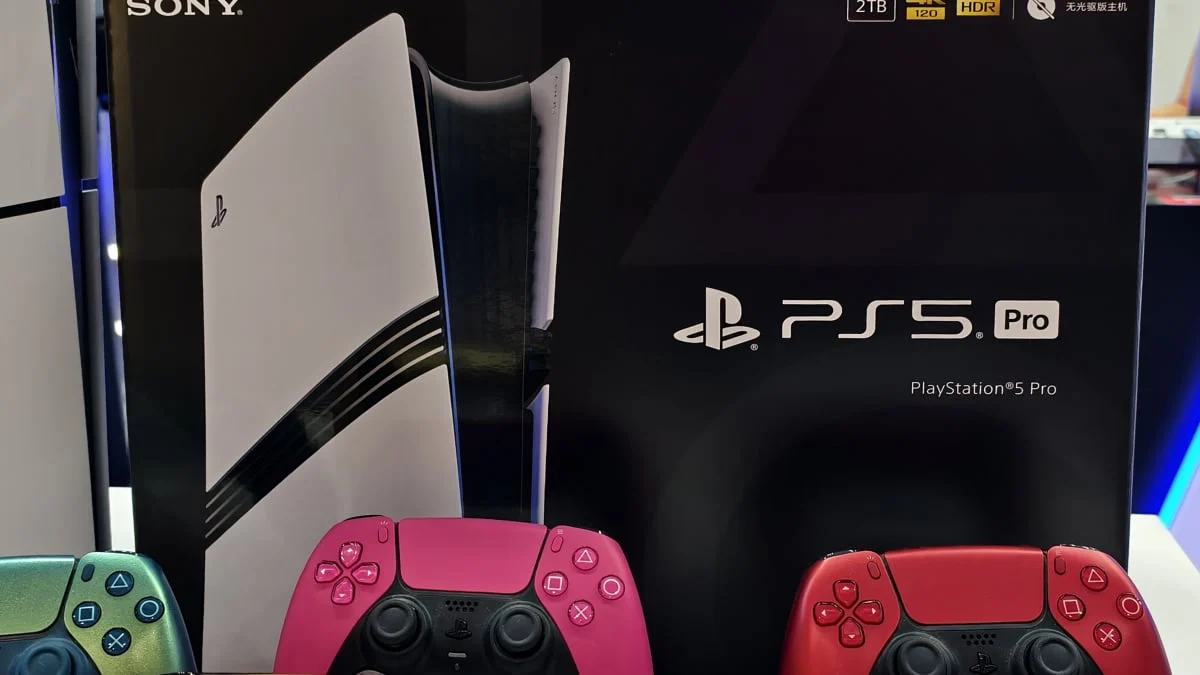
The impending launch of Rockstar Games’ long-awaited Grand Theft Auto VI is already exerting a profound influence on global hardware markets, most notably in Japan. With release dates drawing closer, surging consumer demand for Sony’s high-performance PlayStation 5 Pro console has triggered severe inventory shortages across the region. In response to the scarcity and the persistent threat of opportunistic scalpers looking to exploit the market, Sony Interactive Entertainment has instituted a specialized purchasing system. Rather than relying on traditional first-come, first-served retail models, the tech giant is restricting access to the console through an exclusive lottery system tied directly to verified player history, ensuring that the limited hardware reaches genuine, active members of the PlayStation ecosystem.
The Mechanics of Sony’s Anti-Scalper Lottery System
To combat inventory depletion and secure a fair distribution of the PlayStation 5 Pro, Sony has introduced a rigorous set of prerequisites for prospective buyers entering its official Sony Store lottery in Japan. Beyond merely holding a registered Sony account, applicants must demonstrate a tangible, long-term commitment to the PlayStation brand.
Specifically, consumers are required to use a PlayStation Network account that can verify a minimum of 60 hours of gameplay across either PlayStation 4 or PlayStation 5 consoles. This qualification window spans a multi-year period, requiring the logged hours to have accumulated between September 27, 2024, and September 27, 2026. By setting this high threshold of active engagement, Sony aims to filter out automated bot accounts, opportunistic resellers, and inactive users who create accounts solely for the purpose of purchasing scarce hardware to flip at inflated prices on secondary markets.
The timeline for the purchasing process is tightly managed. Eligible consumers must submit their applications through the Sony Store lottery portal by October 7. Following the close of the application window, Sony will conduct the draw and notify successful participants by October 26. Those who win the lottery will be given a designated opportunity to purchase a single PlayStation 5 Pro console. Shipping and fulfillment are scheduled to take place during the first half of November, positioning successful buyers to receive their hardware just weeks before the monumental software release that sparked the rush.
The Catalyst: Grand Theft Auto VI and Hardware Expectations
The primary catalyst behind this localized hardware crunch is the impending arrival of Grand Theft Auto VI, widely projected to be the most significant entertainment release of the decade. While Rockstar Games has confirmed that the title will launch across multiple gaming platforms, hardcore enthusiasts and technology analysts alike anticipate that Sony’s mid-generation console refresh will offer the definitive console experience.
The PlayStation 5 Pro, boasting upgraded graphical processing capabilities, advanced ray-tracing architecture, and PlayStation Spectral Super Resolution (PSSR) AI-driven upscaling, is viewed by many players as the ideal platform to handle the immense technical demands of Rockstar’s sprawling open-world environment. Consequently, even months before the game hits store shelves, consumers seeking optimal performance have rushed to secure the necessary hardware, precipitating the current supply deficit in the Japanese market.
Grand Theft Auto VI is officially scheduled to release on November 19, leaving a narrow window of merely days between the arrival of the hardware for lottery winners and the launch of the software itself. This precise synchronization highlights the high-stakes coordination required by manufacturers and publishers during major industry transitions.
Broader Industry Implications and Market Dynamics
Sony’s aggressive intervention in the Japanese market reflects a broader, ongoing struggle within the consumer electronics sector regarding inventory management, artificial scarcity, and the mitigation of predatory reseller networks. Scalper bots have plagued console launches for years, turning high-profile hardware rollouts into frustrating experiences for genuine consumers.
By tying purchasing rights to historical platform engagement—specifically requiring tens of hours of verified active gameplay—Sony is pioneering a loyalty-based allocation model that prioritizes dedicated hobbyists over opportunistic profiteers. Industry analysts are closely monitoring this initiative. If the Japan-exclusive lottery proves successful in stabilizing the domestic market and curbing illicit reselling, similar accountability measures and engagement-gated sales structures could be adopted by Sony and competing hardware manufacturers for future high-demand product launches in North America, Europe, and other global territories.
Furthermore, this phenomenon underscores the symbiotic relationship between hardware sales and blockbuster software development. In an era where many console generations experience stagnation or slow adoption curves, a single generation-defining franchise possesses the economic gravity to move millions of units of hardware, forcing manufacturers to recalibrate supply chains and distribution strategies to meet localized demand spikes. As November 19 approaches, all eyes remain fixed on how effectively Sony’s lottery system can satisfy the desires of Japan’s passionate gaming community while managing the unprecedented pressure brought on by the return to Vice City.
