

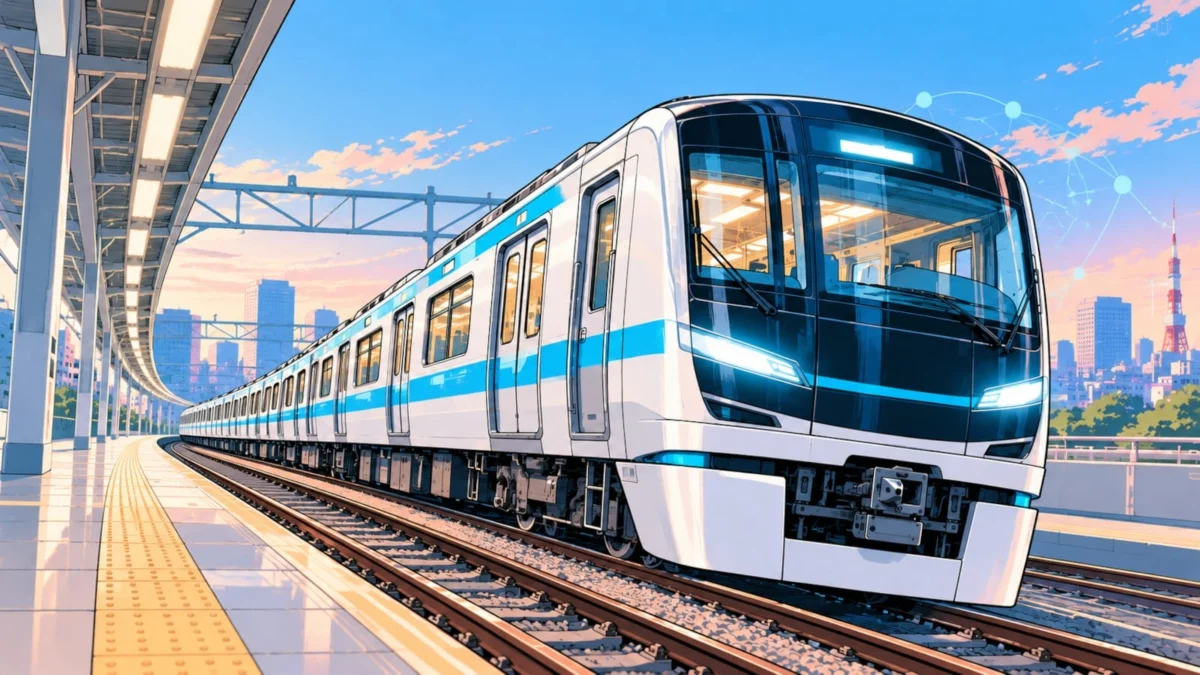
Major Japanese private railway and hospitality conglomerate Keio Corporation has confirmed that it fell victim to a sophisticated ransomware attack over the weekend, resulting in significant disruptions across several core business systems. The cyberattack, which was detected in the early hours of Saturday, September 26, 2026, prompted the company to immediately isolate and shut down segments of its network infrastructure to curtail the spread of the malicious payload and prevent further operational damage.
While the incident has raised immediate concerns regarding corporate cybersecurity within critical infrastructure sectors, Keio has verified that its railway operations—a vital component of Tokyo’s mass transit network—remain entirely unaffected. Instead, the disruptions appear to be primarily concentrated within the company’s extensive hospitality division, impacting hotel reservation frameworks and select customer-facing digital services.
The weekend security breach at Keio did not occur in isolation. In a parallel development that has heightened scrutiny over the cybersecurity posture of Japan’s transportation sector, fellow transit giant Tokyo Metro also disclosed a separate cyber incident over the same weekend. Although investigators are actively probing the digital footprints of both attacks, authorities have yet to formally establish whether the two incidents are part of a coordinated, multi-pronged campaign orchestrated by the same threat actor.
Anatomy of the Incident and Immediate Response
The security breach at Keio Corporation came to light in the early hours of Saturday morning when internal monitoring systems flagged anomalous network behavior. Confronted with a potential ransomware deployment, corporate IT and cybersecurity teams initiated emergency protocols. These measures included the immediate disconnection of infected servers and the precautionary shutdown of broader network segments to preserve forensic integrity and stymie the attackers’ lateral movement.
In an official corporate statement released following the detection, Keio detailed the initial steps taken by its administration: "In the early hours of September 26, 2026, we confirmed a ransomware attack on our group’s servers. We have reported the incident to the police and are conducting an investigation into the attack’s route and damage with the cooperation of external experts."
Local law enforcement agencies, alongside specialized third-party cybersecurity forensics firms, are currently analyzing system logs and remnants of the ransomware code to determine the exact vector of entry. Investigators are focusing heavily on identifying whether the intrusion was facilitated by compromised credential vectors, unpatched vulnerabilities in edge-routing hardware, or a targeted phishing campaign directed at corporate personnel. Concurrently, specialized teams are auditing databases to ascertain whether sensitive corporate data, employee records, or consumer information belonging to hotel guests and business partners was exfiltrated prior to the network shutdown.
Impact on Hospitality Operations and Payment Systems
Keio Corporation operates as a multifaceted enterprise with deep roots in Japan’s infrastructure and service economy. While the core transit network—spanning 85 kilometers of track, 69 stations, and serving millions of commuters—continued to run on isolated, resilient control systems, the corporate and hospitality arms absorbed the brunt of the cyber disruption.
The company’s hospitality sector comprises 25 hotels, most notably the prominent Keio Plaza Hotel Tokyo. Shortly after the attack was contained, management issued dedicated service advisories across hospitality portals, including a formal notice published on the Keio Plaza Hotel Tokyo website warning patrons of potential delays, processing bottlenecks, and temporary service suspensions across digital customer-facing platforms.
Japanese domestic media outlets further reported that the ransomware payload and subsequent defensive network shutdowns severely disrupted the firm’s electronic payment processing systems. Guests attempting to settle bills or finalize bookings experienced intermittent failures, forcing hotel staff to temporarily rely on manual processing workflows. Despite the operational friction, hotel management assured the public that physical guest safety and accommodation services remained secure.
As of the latest updates from digital security trackers and threat intelligence analysts, no prominent ransomware extortion syndicate has publicly claimed responsibility for the attack on Keio Corporation, nor has a data leak site published samples of alleged proprietary exfiltrated data. BleepingComputer and other industry researchers have reached out to corporate representatives for further technical disclosures regarding the ransom demands or encryption methodology utilized, though comprehensive details remain confidential pending the ongoing criminal investigation.
Parallel Breach at Tokyo Metro Amplifies Sector Concerns
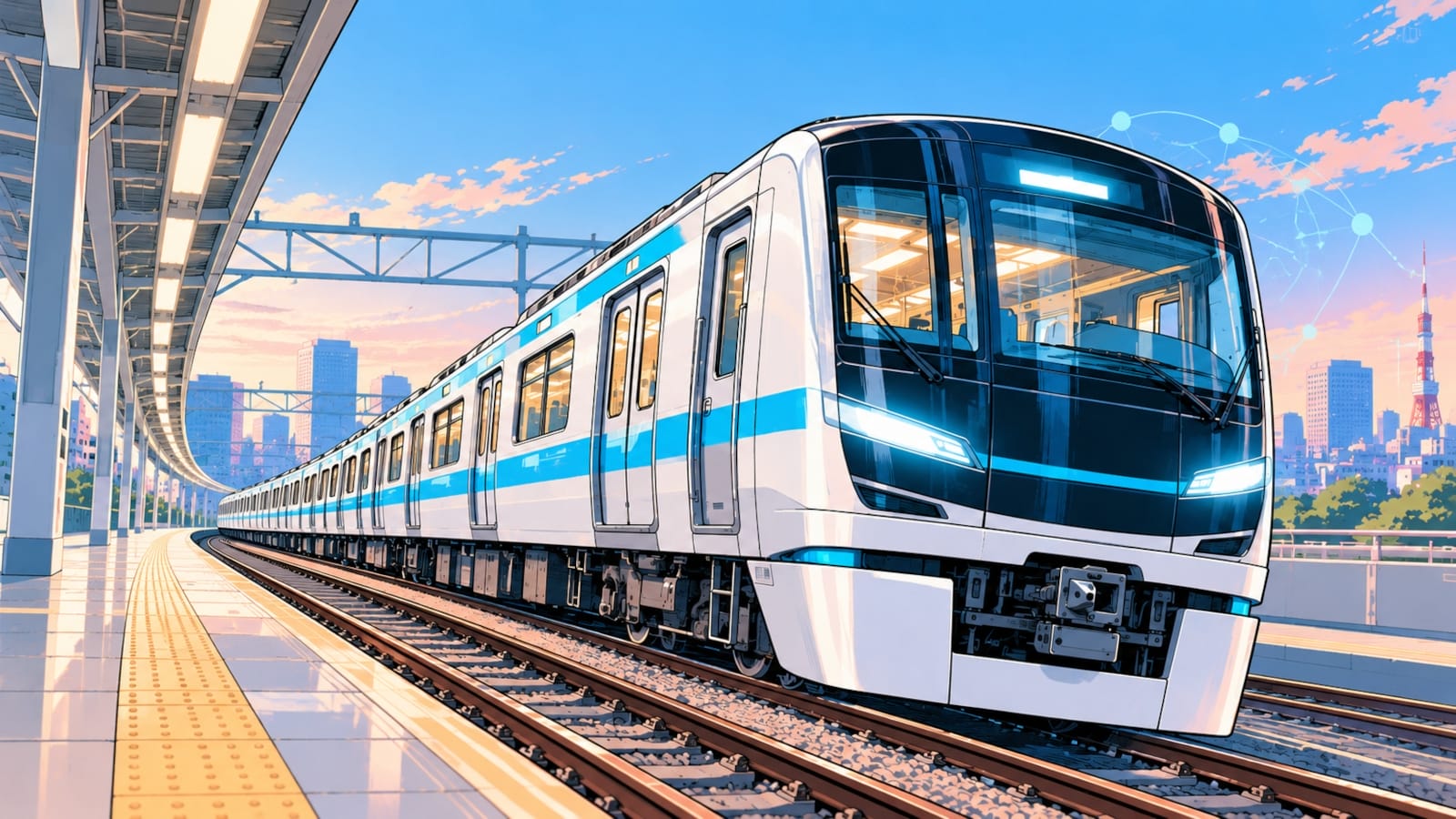
Compounding the tension within Japan’s transportation sector, Tokyo Metro disclosed its own cyber incident over the same weekend, drawing intense focus from national regulators and cybersecurity watchdogs.
According to Tokyo Metro’s official disclosures, unauthorized external actors gained illicit access to portions of its internal network. However, unlike the ransomware event at Keio, Tokyo Metro’s intrusion manifested primarily as a data access event rather than a disruptive operational lockout. The unauthorized party successfully compromised systems containing approximately 59,000 member email addresses.
Tokyo Metro—a massive urban transit network operating nine subway lines across 195 kilometers with 180 stations, servicing an average of seven million passengers daily—acted swiftly to remediate the vulnerability. In statements released to the public and regulatory bodies, transit administrators confirmed that the compromised database was restricted strictly to email addresses and did not encompass financial records, credit card data, or operational signaling pathways. Furthermore, the company reported that its internal security teams had successfully identified, isolated, and patched the specific vulnerability exploited by the attackers, neutralizing the immediate vector of intrusion.
Given the temporal proximity and shared industry profile of the victims, cybersecurity analysts have naturally questioned whether Keio Corporation and Tokyo Metro were targeted by the same sophisticated threat actor or organized crime syndicate. At present, however, law enforcement and private investigators have found no definitive technical evidence linking the two breaches, leaving open the possibility of two distinct, opportunistic, or coincidentally timed attacks against high-profile Japanese infrastructure targets.
Corporate Profile and Socioeconomic Significance
To fully contextualize the gravity of the incident at Keio Corporation, it is necessary to examine the scale and economic footprint of the enterprise. Established as a cornerstone of private railway operations in the Greater Tokyo Area, Keio Corporation boasts a workforce exceeding 2,200 employees and generates an estimated annual revenue of approximately $2.6 billion USD.
The conglomerate’s dual focus on mass transit and high-end hospitality places it at the intersection of critical infrastructure and consumer-facing commerce. In modern corporate environments, the digitization of hospitality operations—ranging from centralized reservation systems and customer relationship management (CRM) databases to automated billing and point-of-sale (POS) terminals—creates expansive attack surfaces. When ransomware groups target such entities, even if train control systems remain compartmentalized and safe, the collateral damage to business continuity, brand reputation, and consumer trust can be severe.
Japan has experienced a notable surge in targeted cyberattacks against corporate and public sector entities over recent years. As critical infrastructure operators accelerate their digital transformation initiatives to improve efficiency and customer experience, they simultaneously introduce complex software supply chains and interconnected enterprise networks that present lucrative targets for financially motivated cybercriminal organizations.
Broader Implications for Critical Infrastructure Security
The twin incidents involving Keio Corporation and Tokyo Metro serve as a stark reminder of the persistent and evolving threat landscape facing global transit and hospitality sectors. Critical infrastructure organizations remain prime targets for threat actors seeking high-visibility leverage to maximize the probability of ransom payouts, or alternatively, aiming to probe systemic defensive postures across densely populated metropolitan hubs.
Security experts emphasize that these events underscore several essential lessons for enterprise risk management:
- Network Segmentation: The fact that Keio’s railway operations remained untouched highlights the critical value of rigorous network segmentation. Isolating operational technology (OT) environments from standard enterprise information technology (IT) networks prevents catastrophic safety failures during an IT-level ransomware event.
- Incident Response Agility: Both Keio and Tokyo Metro demonstrated the importance of rapid detection and immediate containment. By voluntarily shutting down compromised systems or swiftly patching vulnerabilities, organizations can significantly mitigate the ultimate depth of data loss and operational downtime.
- Transparency and Regulatory Compliance: Timely public disclosures, such as those issued by the Keio Plaza Hotel and Tokyo Metro, maintain consumer trust and ensure compliance with stringent regional data protection mandates.
As the investigations led by Japanese authorities and external security experts progress, further technical insights regarding the initial access vectors and the exact strain of ransomware deployed against Keio are expected to emerge. In the interim, transport operators and hospitality giants across the globe are being urged to audit their access controls, enforce multi-factor authentication (MFA) across all administrative portals, and conduct comprehensive resilience stress-tests to guard against increasingly aggressive, machine-speed cyber threats.
