

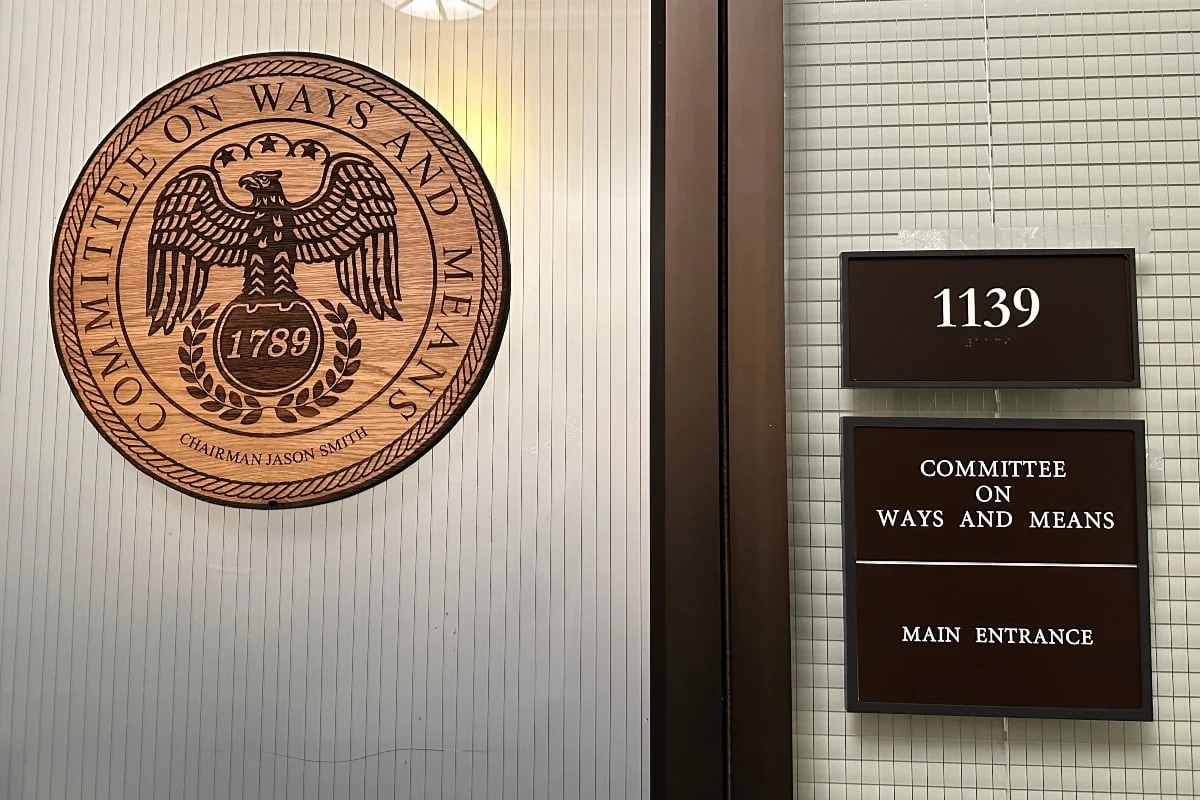
The landscape of American gaming taxation could soon experience a significant and welcome shift for bettors nationwide. Prospects for gamblers hoping to write off 100% of their wagering losses against their winnings improved substantially this week when a pivotal legislative proposal was incorporated into a broader tax package under consideration by the House Ways and Means Committee.
As lawmakers gather on Capitol Hill, the ongoing debate surrounding tax policy, digital assets, and healthcare has cast a spotlight on an issue that has frustrated recreational and professional gamblers alike. The proposed legislative fix targets a contentious reduction enacted in previous tax cycles, aiming to restore parity and ensure that bettors are taxed strictly on their net earnings rather than their gross handling.
The Legislative Vehicle: House Resolution 10357
The effort to reinstate the full gambling loss deduction has found a home within House Resolution 10357, formally known as the Digital Asset Tax Certainty Act. While the primary scope of the bill addresses the evolving regulatory and tax framework surrounding digital currencies and assets, page 95 of the 98-page legislative package contains a specific provision addressing wagering transactions.
The text of the proposal is explicit in its intent. It calls for the complete elimination of the restrictive 90% limitation on deductions stemming from wagering losses. According to the draft legislation, for taxable years beginning after December 31, 2025, losses sustained during the taxable year on wagering transactions would once again be permissible as a deduction to the full extent of the gains realized during that same period. Furthermore, the proposal is drafted to make this tax rule retroactive for the 2026 tax year, providing immediate relief for active bettors who have navigated the restrictive tax climate over the past year.
The House Ways and Means Committee, recognized as the oldest and one of the most influential committees in the United States Congress, scheduled formal deliberations and considerations for the legislative package. The inclusion of the gambling deduction fix within this high-profile bill signals a growing bipartisan recognition that the previous tax structure placed an unfair and economically damaging burden on the gaming industry and its participants.
Background and Origins: The FULL HOUSE Act and FAIR BET Act
The inclusion of the wagering loss provision in the Ways and Means package is not a spontaneous development; it is the culmination of months of persistent lobbying and legislative pressure spearheaded largely by Nevada lawmakers. The specific language adopted by the committee draws heavily from the FULL HOUSE Act—an acronym for Facilitating Useful Loss Limitations to Help Our Unique Service Economy.
Introduced earlier in the year by Representative Max Miller, a Republican from Ohio, the FULL HOUSE Act garnered a coalition of bipartisan support. Notably, the bill was cosponsored by a mix of representatives, including Nevada Democrats Steven Horsford and Susie Lee, reflecting the critical importance of the gaming and tourism sectors to specific regional economies.
Representative Horsford did not conceal his satisfaction regarding the integration of the provision into the Digital Asset Tax Certainty Act. In a public statement following the committee’s announcement, Horsford emphasized the fundamental unfairness of the status quo.
"People should not pay taxes on money they never earned," Horsford stated, framing the legislative effort as a correction of a policy mistake enacted by Senate Republicans in previous tax overhauls. "That’s why I introduced the bipartisan FULL HOUSE Act and have worked for months to secure a full repeal of the unfair gambling tax… For Nevada, this is about protecting our economy and the workers and small businesses who depend on tourism and gaming. Their livelihoods are at stake."
Parallel to these efforts, fellow Nevada Representative Dina Titus championed a similar legislative remedy known as the FAIR BET Act, which stands for Fair Accounting for Income Realized from Betting Earnings Taxation. Titus expressed visible relief and enthusiasm upon seeing her policy objectives realized within the broader tax measure currently moving through committee.

"Very pleased to see that my gambling loss tax deduction fix has finally been included in a tax package," Titus remarked. She subsequently urged her colleagues on the Ways and Means Committee to expedite the legislative process, emphasizing the urgency of pushing the measure through Congress as swiftly as possible.
Financial Stakes and Market Sentiment
The financial implications of restoring the gambling loss deduction to 100% extend far beyond individual bettors. For the commercial casino industry, pari-mutuel wagering, state lotteries, and the burgeoning legal sports betting market, tax friction heavily influences consumer behavior. When gamblers face punitive tax structures—such as caps that prevent them from fully offsetting their losses against their wins—overall betting volume can decline, and high-volume players may seek alternative, unregulated offshore markets to avoid burdensome liabilities.
Prediction markets and financial traders have closely monitored the legislative trajectory of the proposal. Active contracts on specialized prediction platforms have allowed traders to wager on whether the full 100% deduction will officially be restored into federal law. With more than $3.1 million traded on these specific political and legislative outcomes, market sentiment has fluctuated, reflecting a roughly 48% implied probability that the reduction will be successfully repealed and the full deduction reinstated by April 1, 2027.
The high volume of capital flowing into these prediction markets underscores the immense financial stakes involved for professional syndicates, casual gamblers, and industry stakeholders alike.
Chronology of Federal Gambling Loss Taxation
To understand the gravity of the current legislative push, it is necessary to examine how federal tax policy regarding gambling losses has evolved over recent decades:
- Pre-2018 Era: Under long-standing federal tax code provisions, recreational gamblers who itemized their deductions were permitted to deduct their gambling losses up to the amount of their reported winnings, effectively establishing a 100% loss-to-gain offset limit.
- The Tax Cuts and Jobs Act of 2017: This sweeping legislative overhaul significantly altered itemized deductions and raised the standard deduction threshold. While the legal ability to deduct gambling losses remained, the dramatic increase in the standard deduction meant that millions of Americans who previously itemized no longer did so, effectively stripping them of the ability to write off their losses. Professional gamblers, meanwhile, faced stricter interpretations of "trade or business" standards.
- Subsequent Restrictions: In the years following, various federal adjustments and state-level policy alignments introduced further friction, including temporary or localized caps that limited total deductions to a percentage of winnings rather than the full amount, culminating in the 90% limitation target that current lawmakers are now working to dismantle.
- January 2026: Representative Max Miller introduces the FULL HOUSE Act, supported by a bipartisan group of lawmakers aiming to restore full loss deductibility.
- September 2026: The House Ways and Means Committee incorporates the wagering loss tax fix into House Resolution 10357 (the Digital Asset Tax Certainty Act), setting the stage for a critical committee vote and potential floor action.
Economic Implications and Broader Impact
Economists and gaming industry analysts point out that taxation on gross winnings rather than net income creates a mathematical paradox that penalizes regular participation. For instance, a bettor who wagers $10,000 over the course of a year, wins $10,000, and loses $10,000 finishes with a net profit of zero. Under a restricted deduction regime (such as a 90% cap), that same bettor might still be forced to report and pay income tax on a portion of their gross winnings, despite having no net financial gain. This dynamic creates an artificial tax penalty on wagering activity.
Proponents of the FULL HOUSE Act and the Ways and Means Committee’s current package argue that correcting this imbalance is vital for the long-term health of the legal gaming ecosystem. By ensuring fair accounting practices, federal policy can better align with state-level expansions of legal sports betting and casino gaming, which have proliferated across the United States following the 2018 Supreme Court ruling striking down the Professional and Amateur Sports Protection Act (PASPA).
Furthermore, representatives from tourism-heavy states like Nevada emphasize that the health of the hospitality workforce is directly tied to gaming turnover. When high-rollers and recreational tourists face punitive tax environments, discretionary spending on dining, entertainment, and hotel accommodations can contract, creating a ripple effect throughout local service economies.
Outlook and Next Steps
As the House Ways and Means Committee moves forward with its markup and review of House Resolution 10357, all eyes in the gaming and legislative communities remain fixed on Washington, D.C. While inclusion in a committee package is a major milestone, the bill must still clear the full House of Representatives, navigate the legislative complexities of the United States Senate, and ultimately secure a presidential signature to become law.
Nevertheless, the formal integration of the gambling loss fix into a primary tax vehicle represents the most significant legislative progress the issue has seen in years. Whether Congress will successfully cross the finish line and restore the 100% deduction before the upcoming tax year remains to be seen, but the shifting odds on Capitol Hill have offered renewed optimism to millions of American taxpayers who participate in legal wagering.
