

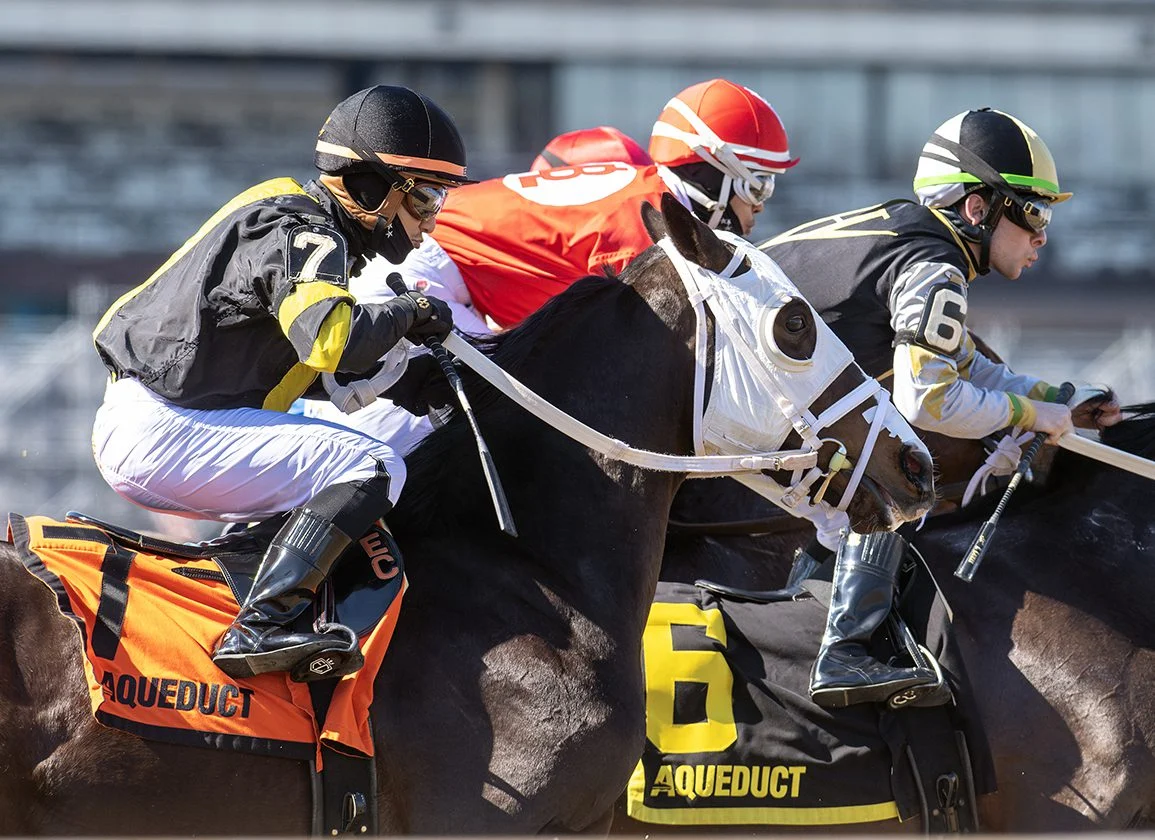
The global horse racing industry is currently grappling with a significant shift in digital accessibility as Tripadvisor, the world’s largest travel guidance platform, has moved to effectively blacklist racetracks from its booking services. In recent weeks, users navigating to the profiles of iconic racing venues—including Saratoga Race Course, Keeneland, Del Mar, Churchill Downs, and Santa Anita Park—have been met with an unambiguous and stark disclaimer: "This business does not currently meet Tripadvisor’s Animal Welfare Policy." This policy shift, which went into effect earlier this month, prohibits the sale of tickets to horse racing events via the platform and represents a major escalation in the intersection between online travel commerce and animal advocacy.
The Foundation of the Policy Change
The decision stems from an expansion of Tripadvisor’s existing Animal Welfare Policy, which was originally established in 2016. The company’s initial mandate was designed to curb ticket sales for attractions that facilitated direct human interaction with captive wild or endangered animals, such as elephant rides or tiger encounters. Over time, however, the company’s internal guidelines have evolved to encompass a broader scope of animal usage.
According to the policy, Tripadvisor will no longer facilitate bookings for experiences where domesticated animals are deemed to be at a "heightened risk of injury or death for the sake of sport or entertainment." The company explicitly categorizes horse, dog, and camel racing, as well as rodeo-style events, under this classification. While the platform continues to allow bookings for activities like working farms, petting zoos, and cultural exhibitions—provided they adhere to the "Five Domains of Animal Welfare"—the categorical exclusion of racing events marks a definitive stance on the sport’s core activities.
Global Industry Response and Criticism
The response from the international racing community has been swift and largely critical, with industry leaders arguing that the policy is based on a misunderstanding of modern equine care standards. In the United Kingdom, the British Horseracing Authority (BHA) led the charge, labeling the move "surprising and troubling." The BHA has formally requested that the company engage in a review of its classification, arguing that the blanket ban ignores the rigorous oversight that governs the sport.
The Horse Welfare Board (HWB) and the Racecourse Association have echoed these sentiments. Dame Minette Batters, chair of the HWB, issued a statement describing the Tripadvisor move as "misleading." She contended that the policy "does a disservice to the decades of investment, science, and independent oversight that underpin equine welfare in British racing." The industry perspective emphasizes that, unlike the unregulated attractions Tripadvisor previously targeted, horse racing is subject to strict veterinary protocols, regulatory transparency, and continuous technological advancements aimed at minimizing risk.
Chronology of the Disengagement
The rollout of this policy appears to be part of a coordinated, albeit opaque, administrative update by the travel giant. While the exact date of the policy’s internal adoption remains unconfirmed, the public-facing consequences began manifesting in early 2024.
- 2016: Tripadvisor institutes the original Animal Welfare Policy, focusing on wild animal interactions.
- Late 2023: Internal revisions are made to include sport-based entertainment involving domesticated animals.
- Early 2024: The disclaimer appears on the profiles of major global racetracks.
- Mid-2024: Industry organizations, including the BHA and the Racecourse Association, publicly challenge the classification, seeking direct dialogue with Tripadvisor leadership.
To date, Tripadvisor has maintained a low profile regarding the specific criteria used to flag these venues. Efforts by the Thoroughbred Daily News and other industry outlets to elicit a comment from the company’s media relations department have largely been met with silence, leaving the industry to speculate on the potential for future policy adjustments or mediation.
Inconsistency in Application
The application of this policy has been characterized by notable inconsistencies, suggesting that the platform’s algorithm or manual review process may be navigating a complex web of branding and venue status. While physical racetracks are universally flagged, the policy does not appear to extend to the events themselves in all cases.
For instance, while a profile for a specific racetrack like Ascot Racecourse carries the disclaimer, the broader "Royal Ascot" event listing—often treated as a separate entity on travel platforms—remains unaffected in some instances. Furthermore, the restriction does not appear to penalize racing-related cultural sites. Venues such as the National Museum of Racing and Hall of Fame or the public-facing tours of historic breeding farms like Claiborne Farm remain fully bookable. This suggests that Tripadvisor’s concern is specifically tied to the active participation of animals in competitive racing, rather than the historical or educational aspects of the industry.
Fact-Based Analysis of Economic and Reputational Implications
The immediate impact of this policy is primarily one of reputational optics. Tripadvisor serves as a primary source of information for millions of international tourists, and the prominent display of a warning regarding "animal welfare" acts as a significant deterrent to potential attendees who may not be familiar with the sport’s safety protocols.
From an economic perspective, the loss of direct ticket sales through Tripadvisor is likely marginal for most major tracks, which rely heavily on internal box offices, official websites, and third-party sports-specific ticketing platforms. However, the indirect impact of being labeled as a business that fails to meet "welfare standards" could affect broader tourism metrics. Racetracks are frequently marketed as premier cultural and social destinations; a negative classification on a global search engine complicates the efforts of racing commissions to position these venues as inclusive, family-friendly, and responsible tourist spots.
Furthermore, the move signals a broader trend in the travel industry where corporate social responsibility (CSR) policies are increasingly being used to influence consumer behavior in sectors perceived as controversial. By aligning with a specific interpretation of animal welfare, Tripadvisor is effectively exercising a form of "soft power" that could force other travel aggregators to adopt similar, potentially more restrictive, policies.
The Road Ahead for Equine Welfare Advocacy
The conflict between the racing industry and the travel sector highlights a growing divide between those who believe competitive racing can be managed through scientific, regulated welfare programs and those who advocate for the total elimination of animal-based entertainment.
For the horse racing industry, the challenge is twofold: they must continue to demonstrate, through data-backed transparency, that the health and safety of the horse remains the primary priority, while simultaneously engaging with corporate entities to ensure that blanket policies do not unfairly damage the reputation of legitimate, highly-regulated sporting venues.
As of now, the industry remains in a state of diplomatic stalemate. While organizations like the BHA continue to lobby for a reclassification, there is little indication that Tripadvisor plans to reverse its course. The situation underscores the necessity for the racing industry to accelerate its public-facing educational campaigns, ensuring that the general public understands the difference between the high-stakes, regulated world of professional horse racing and the unregulated, often harmful, tourist-centric animal attractions that Tripadvisor’s policies were originally designed to target.
Whether this dispute will lead to a broader dialogue regarding the role of animals in sport, or simply result in a permanent shift in how racing venues are indexed on the internet, remains to be seen. What is clear is that the digital gatekeepers of the tourism industry are increasingly comfortable making moral judgments that carry significant weight in the physical world of professional sports.
