

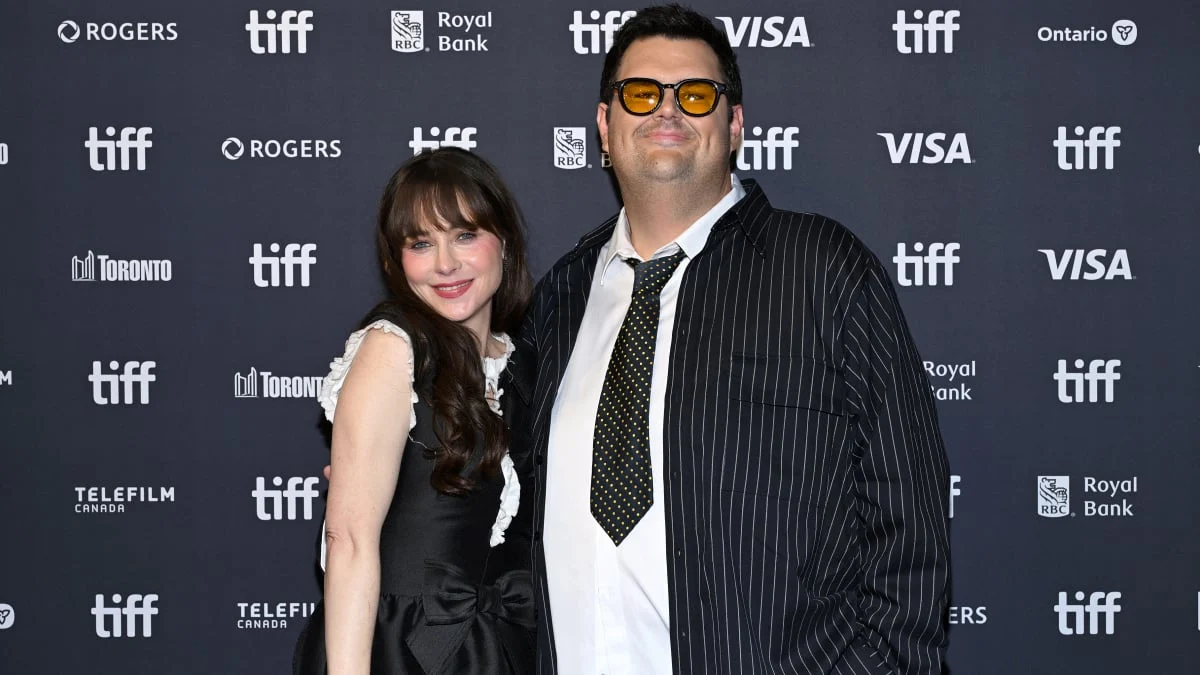
The intersection of digital content creation and traditional cinematic storytelling took center stage this week at the Toronto International Film Festival (TIFF). During a panel discussion titled For You Feed to Feature Film, industry figures Caleb Hearon and Zooey Deschanel addressed the evolving landscape of entertainment. Moderated by Jenny Kim, TikTok’s Global Entertainment Partnerships Lead, the session explored the mechanisms by which independent creators transition from short-form digital platforms to feature-length cinematic releases. The discussion provided an analytical look at the creative autonomy, financial realities, and institutional pressures facing modern artists who navigate both the creator economy and the traditional studio system.
The Context of TIFF and the Creator Economy
The inclusion of panels focused on digital-to-feature transitions at a major international film festival highlights a structural shift in how the entertainment industry scouts and values talent. For decades, the pathway to feature filmmaking required navigating traditional gatekeepers, film schools, and regional theater circuits. However, the proliferation of platforms like TikTok, YouTube, and independent podcasting networks has allowed artists to cultivate direct-to-consumer audiences without prior institutional validation.
Festivals such as TIFF have increasingly adapted to this reality, recognizing that viral reach and community engagement are increasingly viable precursors to traditional distribution. The panel served as a case study for this paradigm shift, utilizing the experiences of Hearon—a comedian, writer, and digital creator—and Deschanel, a veteran actor and musician whose career bridges the pre-digital and contemporary media eras.
Collaborative Origins: Trash Mountain
At the core of the discussion was the feature film Trash Mountain, a project that brings Hearon and Deschanel together on screen. Co-written by Hearon and Ruby Caster, the film exemplifies the trend of digital-first talent securing financing and production resources to helm narrative features. While details of the plot have been selectively rolled out alongside festival screenings, the film’s very existence serves as empirical proof of the viability of creator-led feature projects.
During the panel, a video clip of which was captured and shared by Mashable Entertainment Editor Kristy Puchko, the speakers dissected the logistical and psychological hurdles of making this artistic leap. Rather than treating the transition as an impossible barrier, the panelists reframed it as an exercise in self-determination, urging creators to reject the traditional gatekeeping models that have historically dictated industry entry.
Rejecting Institutional Constraints and Asking for Permission
A central theme of the panel was the rejection of institutional permission structures. Deschanel drew upon her extensive career in both television, film, and music to counsel creators against self-censorship or adherence to narrow industry definitions. Recalling early skepticism she faced when attempting to cross boundaries within the entertainment industry—specifically being told that her established identity as an actor precluded a serious music career—Deschanel advocated for a proactive approach.
"How about you just be the person that does it first," Deschanel stated during the panel, emphasizing that creative validation should stem from execution rather than approval from legacy executives. Her perspective underscores a broader industry evolution: as distribution channels diversify, the cost of waiting for institutional validation has risen, while the feasibility of self-initiated projects has drastically improved.
Hearon expanded on this sentiment by addressing the industry’s tendency to pigeonhole digital creators. Having balanced a growing cinematic footprint—including appearances in four feature films over the preceding year—with ongoing digital output, Hearon advised emerging artists to cultivate boundaries early in their careers. He warned against the pressure exerted by corporations and institutions seeking to capitalize on a creator’s existing digital audience without offering equitable creative control or financial security.
"Get comfortable saying no very early," Hearon advised the audience, cautioning creators against accepting unfavorable terms simply out of a conviction that traditional pathways represent the sole route to professional advancement.
Financial Realities and the DIY Model
Beyond creative philosophy, the panel provided a pragmatic evaluation of the financial economics underpinning modern content creation. Hearon offered a candid assessment of the economic disparity between digital monetization and traditional film acting. Despite participating in four films over a twelve-month period, Hearon noted that the majority of his baseline financial stability continues to derive from independent endeavors, specifically referencing his podcast and associated advertising revenue.
This financial transparency highlights a critical tension within the contemporary media landscape. As traditional studios face budget contractions and risk aversion, they increasingly lean into the built-in audiences and "DIY nature" of digital creators. By offloading the initial financial and developmental risk onto artists who build their own followings, institutions can acquire de-risked properties. However, this dynamic often leaves creators vulnerable to undercompensation during the transition to legacy formats.
Hearon argued that creators must recognize their own leverage within this ecosystem. Because modern digital platforms allow artists to retain direct relationships with their audiences, creators possess alternative revenue streams that insulate them from the exploitative practices sometimes found in traditional development deals. His ultimate takeaway—to "learn how to say no early and make your fucking thing"—encapsulates the ethos of the modern independent creator movement.
Broader Industry Implications and Future Outlook
The discussions at the For You Feed to Feature Film panel reflect a maturing relationship between Silicon Valley tech platforms and Hollywood institutions. As user-generated content platforms continue to serve as incubators for narrative talent, film festivals are evolving into bridges that connect viral success with high-end cinematic production.
Industry analysts note that this trend will likely accelerate over the coming years. Major studios are establishing dedicated divisions or scouting pipelines specifically designed to monitor social media platforms for emerging comedic, dramatic, and visual talent. Yet, as Hearon and Deschanel pointed out, this corporate interest requires creators to maintain rigorous self-advocacy. The democratization of production tools has lowered the barrier to entry, but navigating the corporate structures of traditional distribution demands strategic navigation, legal awareness, and the willingness to walk away from suboptimal agreements.
As the Toronto International Film Festival continues its run, coverage of projects like Trash Mountain will likely serve as a barometer for how well digital-first storytelling translates to the theatrical medium. Meanwhile, critics and industry observers await further analysis from journalists on the ground, such as Kristy Puchko’s comprehensive review of Hearon’s latest cinematic work.
Ultimately, the TIFF panel served as both a practical masterclass for aspiring filmmakers and a sobering reminder of the economic realities of the modern entertainment industry. By encouraging creators to bypass traditional gatekeepers, maintain financial independence, and assert creative control, artists like Hearon and Deschanel are helping to redefine what it means to build a sustainable career in 21st-century media.
