

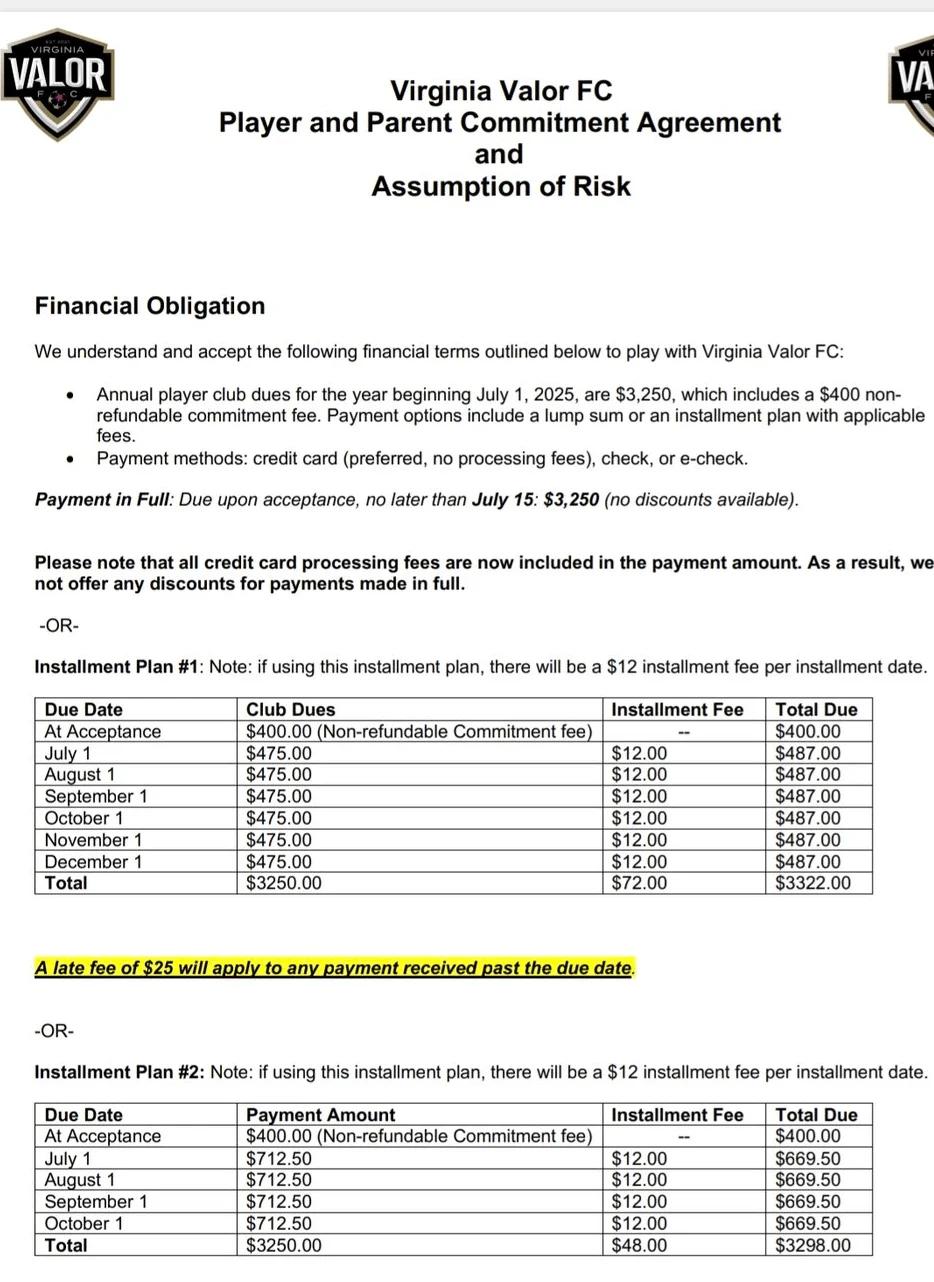
The roar of the World Cup crowd often ignites a fervent aspiration in parents: the dream of their child one day gracing the international stage. This dream, however, comes with a significant financial commitment. For families invested in elite youth soccer leagues, annual expenditures can range from $3,500 to $7,000, a figure that can balloon to $8,000-$15,000 when factoring in tournament travel, accommodation, and private coaching. The allure of seeing a child emulate sporting heroes like Lionel Messi is a powerful motivator, but a sober look at the statistics reveals a stark reality for aspiring young athletes and their parents. According to the NCAA, only approximately 2% of high school athletes secure any form of athletic scholarship for college competition, and the vast majority of these are partial awards, not full scholarships. Full rides are even rarer, typically awarded to about 1% of athletes, predominantly in high-profile sports like football and basketball. For parents considering significant financial investment in youth sports, understanding this statistical landscape is crucial before committing to substantial expenses.
The Financial Realities of Athletic Aspirations
The current landscape of youth sports is characterized by escalating costs and an intense competitive environment. The phenomenon of "travel leagues," particularly in sports like soccer, basketball, and hockey, has become a significant driver of these expenses. These leagues often involve extensive travel to tournaments across the country, requiring substantial outlays for league fees, coaching, equipment, and travel-related expenses. For parents, the perceived pathway to collegiate success, and potentially professional careers, often necessitates participation in these high-cost programs.
The narrative surrounding elite youth sports frequently emphasizes the potential for scholarships as a primary justification for these investments. However, the NCAA data paints a different picture. In 2022, the NCAA reported that approximately 580,000 high school students participated in NCAA sports. Of these, only about 54,000 received athletic scholarships. This translates to less than 10% of participants receiving any scholarship aid, and as previously noted, a significantly smaller percentage securing full rides. This disparity highlights a critical disconnect between parental expectations and statistical probabilities.
Developing a Framework for Investment: Joy, Mastery, and Financial Prudence
The decision of when to continue investing in a child’s extracurricular activities, and when to re-evaluate, is a complex one for many parents. This dilemma is often amplified by the emotional investment in a child’s development and the desire to provide them with every opportunity.
One common scenario involves a child participating in an activity with moderate interest but lacking a clear trajectory toward high-level achievement. For instance, a parent might question the ongoing expense of ballet lessons at $100 per session for a child who shows only mild engagement and exhibits physical attributes or skill progression that suggest a lack of competitive potential. This situation exemplifies the need for a structured approach to evaluating such investments.
A practical framework for navigating these decisions can be built around three key variables: Joy, Mastery, and Money. This framework aims to provide parents with a clear, objective method for assessing the value of continued investment, moving beyond emotional biases or the pressure of sunk costs.
Variable 1: The Indispensable Element of Joy
The primary indicator for continuing an activity should be a child’s genuine enthusiasm. If a child consistently displays excitement for their lessons or practices, it suggests intrinsic motivation. This passion is the bedrock upon which future dedication and potential excellence are built. The adage that "talent plus reps" compounds is true, but only if the "reps" are undertaken with genuine desire. Parental encouragement can be beneficial, but it cannot substitute for a child’s self-driven commitment.
The absence of joy, however, serves as a clear signal to re-evaluate. If a child repeatedly expresses reluctance, requires constant persuasion to participate, or exhibits a consistent lack of engagement, the underlying motivation may be absent. In such cases, the financial and emotional resources dedicated to the activity might be better reallocated. The objective measure is simple: does the child eagerly anticipate the activity, or is it a constant struggle? If the latter is true for an extended period, it suggests that joy, and consequently, the impetus for continued investment, has diminished.
Variable 2: The Pursuit of Mastery and Objective Assessment
Beyond joy, the potential for mastery presents another valid reason for continued investment. If a child demonstrates a clear aptitude and is consistently performing at a high level relative to their peers, further development is warranted. This is particularly true if they are within the top 25% of their age group and show continuous improvement. The concept of talent compounding with consistent effort mirrors financial investments; consistent contributions lead to exponential growth.
The challenge lies in maintaining objectivity. Parents naturally tend to view their children’s abilities through a favorable lens. To mitigate this, a data-driven approach is essential. This involves:
- Seeking External Feedback: Consulting with coaches, instructors, and other objective observers can provide valuable insights into a child’s progress and potential.
- Comparing Against Benchmarks: Understanding the typical skill progression and performance metrics for a given sport or activity at various age levels can offer a more realistic assessment.
- Observing Skill Transfer: Evaluating how a child’s skills translate into actual game play or performance, rather than just isolated drills, is crucial.
The responsibility of parents extends to exposing their children to a diverse range of activities. This broad exploration allows children to discover their innate talents and passions. A child with exceptional hand-eye coordination might thrive in golf or tennis, while another might find their calling in music, coding, or theater. The initial phase should focus on breadth, allowing children to sample various pursuits. Depth of investment can then be justified once either joy or a clear aptitude for mastery emerges. If an activity lacks both joy and a demonstrable path toward excellence, it signals an opportune moment to gracefully disengage and explore new avenues.
Variable 3: The Financial Equation and Responsible Budgeting
While the pursuit of a child’s dreams is a powerful motivator, it must be balanced with financial prudence. The potential to spend an "infinite amount of money" on children, as highlighted by the endless array of potential activities, necessitates a structured financial approach. Unchecked spending can jeopardize a family’s financial security, which in turn can negatively impact their ability to provide for their children in the long term.
A sensible approach involves establishing clear budgetary guidelines for children’s activities. Several methods can be employed:

- Percentage of Income: Allocating 2% to 5% of annual household income towards lessons and activities provides a flexible yet defined spending limit. For example, a household earning $100,000 might budget $2,000 to $5,000 annually.
- Percentage of Net Worth: For individuals with substantial net worth but potentially lower current income (e.g., those pursuing FIRE – Financial Independence, Retire Early), allocating 1% to 2% of net worth annually can be a suitable approach. A $1 million net worth might translate to a $10,000 to $20,000 annual budget.
- Percentage of Investment Gains: For investors, dedicating a portion, such as 10%, of annual investment returns to children’s activities can be a dynamic budgeting method. In years with lower gains, spending can be scaled back or drawn from previous surpluses.
The objective of establishing a budget is not necessarily to spend the allocated amount but to create a framework that prevents impulsive or guilt-driven decisions. This financial discipline ensures that parental aspirations do not supersede long-term financial well-being.
The Stark Financial Calculation: Travel Soccer as a Case Study
To illustrate the financial implications, consider the common scenario of a child joining a travel soccer team. The all-inclusive costs, encompassing league fees, tournament expenses, uniforms, travel, and accommodation, can easily reach $5,000 annually. If this commitment spans eight years, from age 10 to 18, the total cash outlay amounts to $40,000.
The opportunity cost of this expenditure is significant. If this $5,000 were invested annually in an S&P 500 index fund, historically yielding an 8% average annual return, the initial eight-year investment would grow to approximately $53,000. Allowing this sum to compound until the child reaches age 40 could result in an estimated $290,000, a substantial down payment for a home in many regions.
Conversely, the expected value of athletic scholarships for this investment is considerably lower. With a 2% chance of receiving any athletic scholarship, and an average annual award of roughly $20,000 (often partial) across NCAA Division I and II, the total expected scholarship value over four years amounts to approximately $1,600. This represents a return on investment of approximately 0.4% compared to the potential financial growth of investing the same funds. This stark mathematical comparison underscores the financial imprudence of viewing athletic scholarships as the primary financial objective of youth sports participation.
However, it is crucial to acknowledge that the value of sports extends beyond financial returns. If a child derives joy, maintains physical fitness, develops teamwork skills, engages in healthy screen-free activities, builds discipline, and fosters friendships, the $5,000 annual investment may indeed be highly beneficial for their overall development. The justification for spending should stem from these developmental benefits, not from the slim probability of securing a college scholarship. For the specific goal of college funding, a conservative investment vehicle like a 529 plan typically offers a far more reliable and substantial return than the lottery-ticket odds of an athletic scholarship.
The Nuance of Parental Coaching and the Pursuit of Lifelong Engagement
While external coaching is a significant expense, some parents consider the option of coaching their own children to save costs and foster stronger family bonds. This approach can be effective for fundamental skills, especially during early childhood when parental proficiency often surpasses a child’s developmental stage. Teaching basic swimming, cycling, or introductory skills in sports where the parent excels can be rewarding.
However, the effectiveness of parental coaching can diminish as children progress and require more specialized instruction. A common pitfall is the misjudgment of one’s own coaching efficacy. A parent who is skilled in a sport may not possess the pedagogical skills necessary to effectively teach advanced techniques or structure progressive training. This can lead to the development of flawed habits that are difficult to correct later.
The realization that parental coaching might not be yielding optimal results can be a difficult one. For example, a parent dedicating significant time to teaching tennis strokes may overlook crucial elements like footwork and live rallying, leading to a situation where the child can execute a technically sound stroke in isolation but struggles in actual gameplay. This highlights the importance of understanding the structured progression of instruction that professional coaches employ.
A hybrid approach, combining professional instruction for technique and structure with parental practice for repetition and bonding, often proves to be the most effective strategy. This model leverages the expertise of professionals while maintaining parental involvement and reinforcing learned skills.
The Ultimate Goal: Cultivating a Lifetime of Health and Well-being
The overarching objective of investing in youth sports should shift from the narrow pursuit of scholarships to a broader aim: fostering a lifelong engagement with physical activity. A child who develops competence and enjoyment in sports like tennis, pickleball, or golf by their teenage years gains an invaluable asset that can provide benefits for decades. These "lifetime sports" offer inherent social structures and communities in virtually every locale.
The dividends of such lifelong competence are multifaceted:
- Health and Fitness: Regular participation in enjoyable sports provides a sustainable and intrinsically motivating path to lifelong physical health, circumventing the often tedious nature of traditional exercise regimens.
- Community and Social Connection: Sports venues – be it a tennis club, golf course, or pickleball court – serve as natural hubs for social interaction. As adults, forming new friendships can become increasingly challenging, and sports offer a consistent avenue for building and maintaining social networks.
- Serendipitous Opportunities: Engaging in sports places individuals in regular, relaxed contact with a diverse range of people, fostering opportunities for business collaborations, investment partnerships, and even romantic relationships.
- Enduring Joy: The early development of a love for a sport can translate into a fulfilling and joyful pastime well into adulthood, providing a consistent source of recreation and personal satisfaction.
The true return on investment in youth sports is not measured in athletic scholarships, but in raising well-rounded individuals who possess the skills and inclination to lead healthy, socially connected, and potentially enriched lives through sports for their entire existence. This enduring value transcends any financial outlay and requires no collegiate athletic recruitment to justify its worth.
Protecting the Foundation: Financial Security for Family Well-being
While the discussion often centers on the costs of children’s activities, it is paramount to remember that the ability to fund these pursuits relies on the parents’ financial stability. Safeguarding the income that supports these aspirations is a critical responsibility. Affordable term life insurance, for example, provides a vital safety net, ensuring that a family’s financial future remains secure even in the face of unforeseen circumstances. Exploring options through reputable insurance comparison platforms can offer peace of mind and adequate protection at a reasonable cost.
Ultimately, the journey of raising children involves a continuous balancing act between providing opportunities and maintaining financial prudence. By adopting a framework that prioritizes joy and mastery, while remaining grounded in financial reality, parents can make informed decisions that benefit their children’s development and their family’s long-term well-being. The pursuit of athletic excellence should be a natural outgrowth of passion and talent, not a financially precarious gamble driven by societal pressure or inflated expectations.
