

LG Electronics USA has formally announced a comprehensive initiative to purge its smart TV ecosystem of applications that covertly transform consumer hardware into residential proxy nodes. This strategic pivot follows a series of alarming reports from cybersecurity researchers indicating that a substantial portion of the software available on the LG webOS platform contains embedded Software Development Kits (SDKs) designed to monetize user internet connections without explicit, informed consent. The decision marks a significant moment in the evolving landscape of Internet of Things (IoT) security, as major manufacturers begin to grapple with the privacy implications of third-party app monetization strategies that turn household appliances into infrastructure for the broader internet.
The Discovery of Widespread Proxy Integration
The catalyst for LG’s policy shift was a detailed investigation conducted by the cybersecurity firm Spur, which specializes in identifying and tracking proxy networks. In a report published in early July, Spur revealed that more than 42 percent of the applications available in the LG webOS store were integrated with residential proxy SDKs. These components allow third-party entities—ranging from data scrapers to potentially malicious actors—to route their internet traffic through the user’s home network. By doing so, the external traffic appears to originate from a legitimate residential IP address, allowing it to bypass security filters and geographical restrictions that typically block traffic originating from data centers.
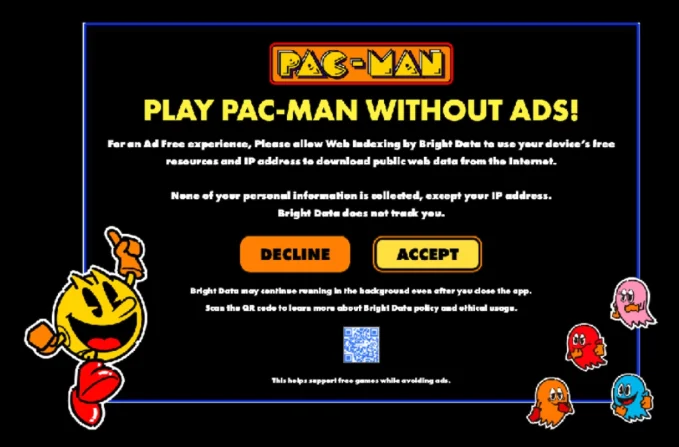
The prevalence of these SDKs was not limited to niche or obscure software. Researchers found them bundled within a wide variety of popular categories, including casual games, system utilities, file managers, and even digital screensavers. For instance, a version of the classic game Pac-Man was identified as offering users a choice: either view traditional advertisements or allow the device to serve as a "proxy node" to maintain an ad-free experience. While this might appear to be a transparent trade-off, security experts argue that the technical implications of such an arrangement are rarely understood by the average consumer.
Understanding the Residential Proxy Marketplace
To understand why this issue has reached such a critical mass, it is necessary to examine the economics of the residential proxy market. Companies like Bright Data, which was identified by Spur as a primary provider of the SDKs found in smart TV apps, operate vast networks of millions of residential IP addresses. These networks are marketed to corporate clients for "legitimate" uses such as price comparison, ad verification, and large-scale web scraping. Because many websites implement strict rate-limiting or blocks on known data center IP ranges, a residential IP is a highly valuable commodity.
App developers, often struggling to monetize free software, are incentivized to include these SDKs in their code. In exchange for "enrolling" their users into a proxy network, the developers receive a recurring fee from the proxy provider. This creates a "passive" revenue stream that does not require the intrusive placement of visual advertisements. However, the cost to the consumer is high: their home bandwidth is consumed by unknown third parties, their IP address is associated with external activities they cannot monitor, and their device remains "always-on" as a gateway for foreign traffic.
Official Response from LG Electronics
In direct response to the findings presented by Spur and subsequent inquiries from the cybersecurity community, LG Electronics has taken a firm stance. John Taylor, Senior Vice President at LG Electronics USA, clarified that the use of smart TVs as residential proxy nodes was never an intended or authorized function of the webOS platform.
"A residential proxy network is not an intended use for LG smart TVs, and LG Electronics is working with developers to remove the residential proxy option from their apps on the webOS platform," Taylor stated. He further emphasized that the company is currently in the process of auditing its entire app catalog. Developers who have integrated these SDKs have been issued a clear ultimatum: remove the proxy functionality immediately or face indefinite suspension from the LG Content Store.
Taylor noted that the review process is "well underway" and represents a broader commitment to platform integrity. "As part of our ongoing efforts to enhance platform quality and the user experience, LG will continue to strengthen our evaluation process for developer-submitted apps, including those that incorporate residential proxy SDKs," he added. This suggests that LG is moving toward a more rigorous "walled garden" approach, similar to those employed by mobile operating system giants, to prevent future incursions of stealthy monetization software.

The Security and Privacy Risks of Proxy SDKs
The concerns raised by Spur and validated by LG’s response go beyond mere bandwidth consumption. Cybersecurity professionals point to several critical risks associated with turning a smart TV into a proxy node:
- Attribution and Legal Liability: When a third party routes traffic through a user’s TV, that traffic carries the user’s residential IP address. If the proxy user engages in illegal activities—such as downloading copyrighted material, launching cyberattacks, or accessing illicit content—the trail leads directly back to the unsuspecting homeowner’s internet service provider (ISP) account.
- Local Network Exposure: Smart TVs are typically connected to a home’s internal Wi-Fi network alongside laptops, smartphones, and security cameras. While proxy providers like Bright Data claim to use "technological countermeasures" to prevent customers from interacting with other devices on the proxy user’s local network, the presence of an active gateway on a device as complex as a smart TV creates a potential entry point for sophisticated attackers.
- Bypassing Security Perimeters: Residential proxies are frequently used to circumvent geo-blocking and bot-detection systems. By allowing their devices to be used in this manner, consumers are inadvertently assisting in the subversion of security protocols used by other businesses and services.
- Informed Consent and Minors: A primary criticism leveled by Spur’s Trevor Sutter involves the nature of consent in a household environment. A prompt on a TV screen asking for permission to "share resources" may be accepted by a child or a guest who does not own the device or understand the implications. This "one-time consent," often buried in long terms-of-service documents, fails the test of meaningful transparency.
Comparative Impact on the Smart TV Market
While LG has been proactive in its response, the Spur report highlighted that this is an industry-wide challenge. Samsung’s Tizen OS, the most widely used smart TV platform globally, was also found to be heavily impacted. Approximately 25 percent of the apps analyzed on Samsung’s platform contained similar residential proxy SDKs. Unlike LG, Samsung has not yet announced a similarly aggressive culling of these applications, though the pressure to do so is mounting as consumer advocacy groups take notice of the trend.
The discrepancy in percentages—42 percent for LG versus 25 percent for Samsung—may be attributed to differences in the developer ecosystems and the ease of porting Android-based SDKs to webOS compared to Tizen. Regardless of the specific numbers, the data suggests that millions of households worldwide are currently serving as nodes in commercial proxy networks without the owners’ full realization.
A Pattern of Controversial Software Practices
The crackdown on proxy SDKs comes at a time when LG is facing scrutiny for other software-related decisions. Recently, the technology community, led by reports from outlets like Gamers Nexus, criticized LG for a partnership with McAfee. It was discovered that certain high-end LG LCD monitors were automatically installing a McAfee "security" app on users’ Windows PCs via Windows Update without an explicit prompt or approval from the user.
This practice, often referred to as "bloatware" or "potentially unwanted programs" (PUPs), has raised questions about the extent to which hardware manufacturers are prioritizing secondary revenue streams over user autonomy. The simultaneous emergence of the proxy SDK issue and the McAfee controversy suggests a systemic challenge within the consumer electronics industry: the temptation to supplement hardware margins with aggressive, and sometimes invasive, software partnerships.
Timeline of the Current Controversy
- January – June 2024: Security firm Spur conducts a deep-dive analysis of smart TV app stores, identifying thousands of apps containing residential proxy SDKs from providers like Bright Data and others.
- July 2, 2024: KrebsOnSecurity and Spur publish the findings, highlighting the vulnerability of LG and Samsung platforms.
- July 15, 2024: LG Electronics USA issues a formal statement to media outlets confirming they have identified the issue and are beginning a mass suspension of non-compliant apps.
- July 2024 (Ongoing): Developers receive notices from LG to update their software. Researchers observe the first wave of app removals from the webOS store.
- Late July 2024: Consumer advocacy groups begin calling for similar transparency measures from Samsung and other smart TV manufacturers like Vizio and Roku.
The Future of Smart TV Governance
The move by LG to ban residential proxy SDKs is likely to set a precedent for the smart TV industry. As these devices become more integrated into the "smart home" ecosystem, they become more attractive targets for monetization schemes that occupy the grey area between legitimate business and malware.
Industry analysts suggest that the next step for manufacturers will be the implementation of more granular permission systems, similar to those found on iOS and Android. Currently, smart TV operating systems often lack the robust "app-by-app" permission controls that allow users to see exactly what data or hardware resources an application is accessing in real-time.
Furthermore, the role of proxy providers like Bright Data is expected to come under greater regulatory scrutiny. While these companies maintain that they follow strict "Know Your Customer" (KYC) protocols, the ease with which their SDKs were integrated into games like Pac-Man suggests a disconnect between their corporate policies and the reality of how their software is deployed in the wild.
For the consumer, the lesson is clear: the "smart" features of modern appliances often come with hidden costs. As LG takes the necessary steps to clean up its platform, the burden remains on the user to be vigilant about the "free" apps they install on their most central household devices. The era of the "always-on" residential proxy node may be coming to an end at LG, but the battle for the integrity of the home network is only just beginning.
